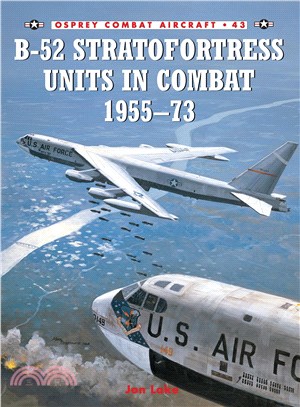
Designed to form the backbone of Strategic Air Command’s nuclear deterrent, the B-52 force was brought to higher states of readiness whenever crisis threatened the USA, most notably when Kennedy and K
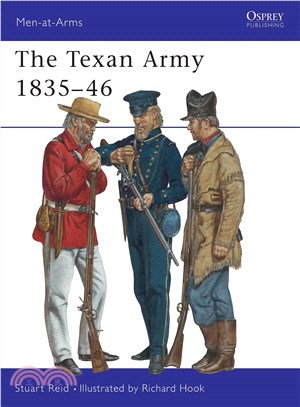
The volunteer army that fought the Mexican dictator Santa Anna from 1835 to 1836 was immortalized in the epic battle of the Alamo. Taking arms initially to fight for the restoration of the liberal Mex
In over 30 years of service, the Harrier has seen significant combat action for the British Royal Navy and the USMC: from the Falklands to Bosnia and Kosovo, from the First Gulf War to Afghanistan, th
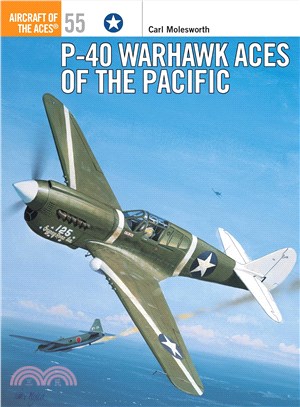
The first USAAF fighters to engage the Japanese in World War 2, a handful of P-40s rose to defend Pearl Harbor from attack on the morning of 7 December 1941. Warhawk units were also heavily involved i
The first title in the Elite Units series to deal with an American bombardment group, this title focuses on the 303rd BG, dubbed the 'Hells Angels.' One of the very first B-17 units assigned to the ne
'Like The Long Reach, Down to Earth is a message from the battle at its height, told in their own words by the men who fight' - this is how Brig-Gen Francis Griswold, VIII Fighter Command, ends his in
In July 1956 Egyptian President Gamal Nasser nationalized the Suez Canal, causing immediate concern to Britain and France. They already opposed Nasser and were worried at the threat to maritime traff
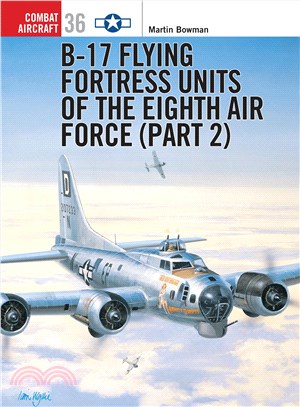
The Boeing B-17, which has come to epitomise the American war effort in Europe during World War II (1939-1945), took the fight to Germans from the late summer of 1942 through to VE-Day. Its primary op
In the early third century AD the Roman Empire was a force to be reckoned with, controlling vast territories and wielding enormous political power from Scotland to the Sahara. 400 years later this mig
Byzantium survived for 800 years, yet its dominions and power fluctuated dramatically during that time. John Haldon tells the story from the days when the Empire was barely clinging on to survival, to
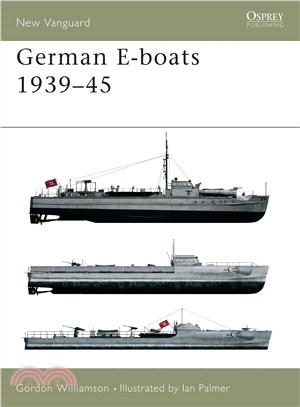
By the outbreak of World War II, Germany had done much to replace the Kaiser's High Seas Fleet, which was scuttled following their surrender at the end of World War I. Forced to build anew, the Kriegs
To be a successful commander requires experience, character, tenacity and boldness: the ability to establish a good rapport with both your staff and your men is also vital. The real test comes in comb
The Sarmatians - one of the many nomadic groups to emerge from the great Eurasian Steppe - crossed the Don in about the 3rd century BC to displace their western neighbours, the Scythians, in the lands
The First World War in the Mediterranean represented more than just a peripheral theatre to the war on the western front. This engaging volume includes details of allied attempts to capture Constantin
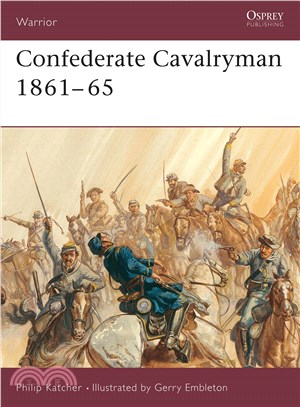
The southerner of the mid-19th century had been bred to ride horses. In addition the period southerner had long been used to handling firearms, through hunting for pleasure, food or simply for sport.
Osprey's examination of trench warfare tactics during World War I (1914-1918). The Allied attempt to break the stalemate of trench warfare by the 'big pushes' of 1916 led to massively costly battles o
First mentioned by name in AD 297, the Picts inhabited Northern Britain from the end of the 3rd century AD to the 9th. They rose to power in the devastation following Emperor Septimus Severus's repres
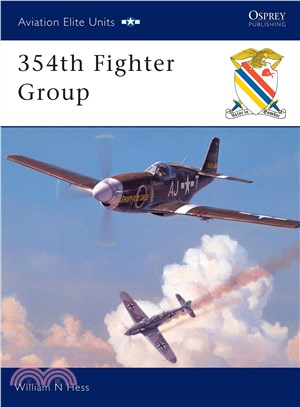
‘I think the success of the 354th as the leading group in the European theatre for aerial victories is due to several things. First was the initial training of the squadrons before deployment to Engla
More than 80 years on, the Great War - and particularly the great battles such as the Somme and Verdun - continues to fascinate us and to cast long shadows over the world in which we live. For Britain
From the 11th century AD, East Asian armies made increasing use of exploding missiles and siege cannon to reduce the fortifications of their enemies. Some of these weapons were very similar to those u
Never before has a single volume been devoted exclusively to the intrepid and disparate band of pilots who could claim to be Gladiator aces. Flying the ultimate British biplane fighter, pilots in Chin
Canada was the first Commonwealth country to send troops to Britain in 1939. During 1939-45 hundreds of thousands of Canadians - more than 40 per cent of the male population between the ages of 18 and
This title helps modellers who wish to display the results of their efforts to the best advantage in a diorama. This book provides detailed information on how to create many different types of terrain
According to one popular image, the Aztec army was a ruthless and efficient war machine, that established an empire by convincingly overwhelming its neighbors, sacrificing thousands to bloodthirsty go
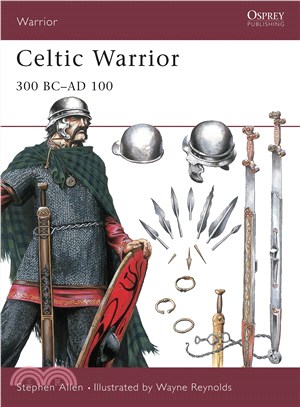
In the 1st century BC, Strabo wrote of the Celts: ‘The whole race... is madly fond of war, high-spirited and quick to battle... and on whatever pretext you stir them up, you will have them ready to fa
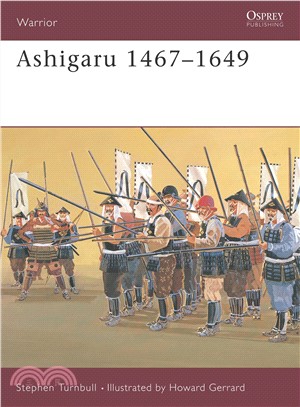
The ashigaru were the foot soldiers of old Japan. Although recruited first to swell an army's numbers and paid only by loot, the samurai began to realise their worth, particularly with arquebuses and
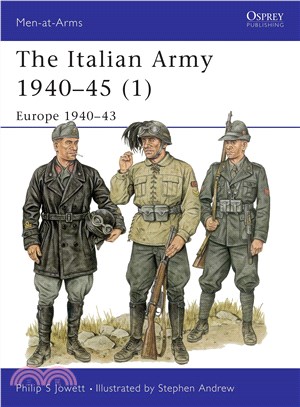
At its peak the Italian Army contributed 2.5 million troops to the Axis war effort during World War II (1939-1945). In addition to its major role in North Africa, Italy's army invaded, and later bore
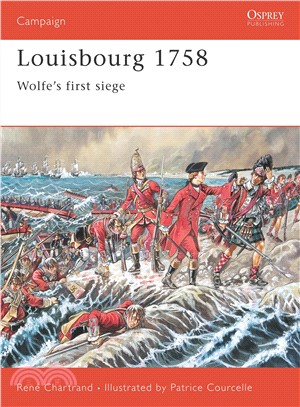
Osprey's study of James Wolfe's siege of Louisbourg during the French and Indian War (1754-1763). Louisbourg represented a major threat to Anglo-American plans to invade Canada. Bypassing it would lea
The 1930s home presented an exciting new way of living for the generation that moved out to the suburbs. Young couples who had previously rented accommodation in urban centers found themselves able to
Still the most popular subject for dioramas at any military modelling show, WWII gives the modeller the opportunity to try out his repertoire from burnt out buildings to weathered machines and men. T
Probably the greatest test of the modeller is achieving the perfectly posed figure. This title explains how best to set up the figure, and goes on to deal with the niceties of painting, facial express
At its peak the Italian Army contributed 2.5 million troops to the Axis war effort of World War II (1939-1945). English-speaking readers tend to think of this army in terms of the North African campai
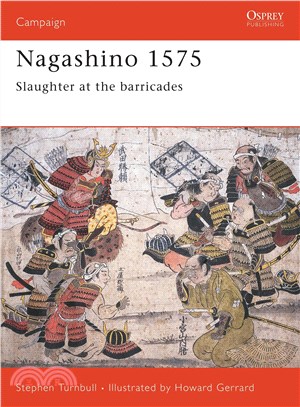
Osprey's examination of the campaign at Nagashino in 1575. When Portuguese traders took advantage of the constant violence in Japan to sell the Japanese their first firearms, one of the quickest to ta
The Boeing B-17 has come to epitomise the American war effort in Europe during World War II (1939-1945), the huge four-engined heavy day bomber taking the fight to Germany from the late summer of 1942
The battle of Bosworth effectively put an end to the dynastic struggle known as the Wars of the Roses (1455-1485). Guiding the reader from the campaign’s origins to its aftermath, and covering the com
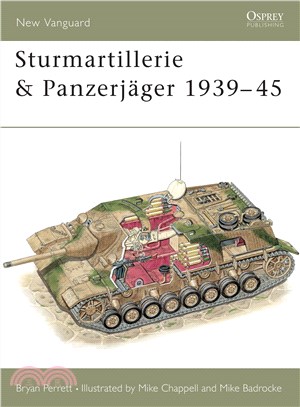
Originally the German assault gun was designed as an infantry support weapon, but the changing conditions of the battlefields of the Second World War forced it to adapt to perform a number of differen
This is the fifth title in the series and is intended to be a companion volume for Volume 3: Basic Military Vehicle Modelling and Volume 4: Advanced Military Vehicle Modelling. This title helps to com
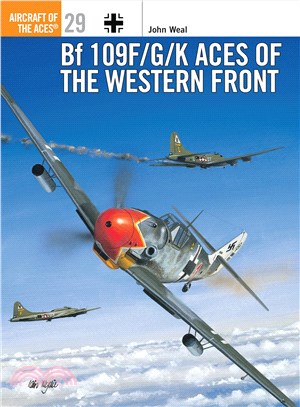
The follow-on volume to Osprey Aircraft of the Aces 11 - Bf 109D/E Aces 1939-41, this book charts the story of the myriad aces who flew the later marks of Messerschmitt fighter through to VE-Day. As g
This volume is the first of its type to be devoted exclusively to the Zerstorer day fighter aces, spanning the war years from Poland to the defence of the Reich. Although Messerschmitt's single-engine
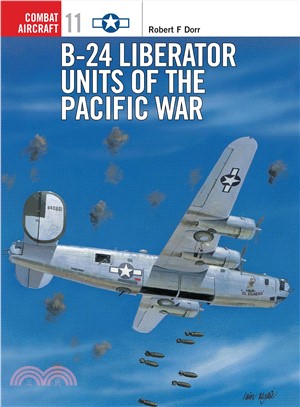
Ever present in the Pacific from Pearl Harbor to VJ-Day during World War II (1939-1945), the B-24 Liberator proved to be the staple heavy bomber of the campaign. From its ignominious beginnings in the