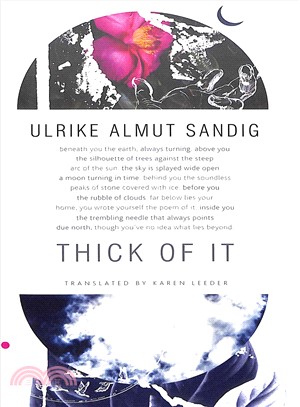
The poems of Ulrike Almut Sandig are at once simple and fantastic. This new collection finds her on her way to imaginary territories. Thick of It charts a journey through two hemispheres to “the
Known for his brilliantly dark fictional visions, László Krasznahorkai is one of the most respected European writers of his generation and the winner of the 2015 Man Booker International
Peter Handke, a giant of Austrian literature, has produced decades of fiction, poetry, and drama informed by some of the most tumultuous events in modern history. But even as these events shaped his w
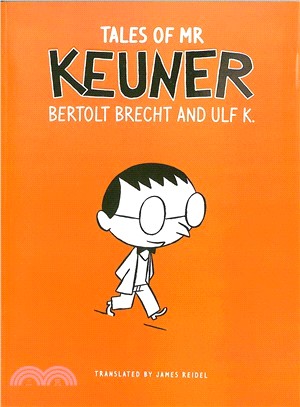
From the 1920s through the 1950s, Bertolt Brecht wrote a number of short, fictionalized comments on contemporary life, politics, and thought. Through the dramatic events of the first half of the twent
It’s Switzerland in the 1920s when the two lovers first meet. She is young, beautiful, and rich. In contrast, he can barely support himself and is interested only in music. By the end of th
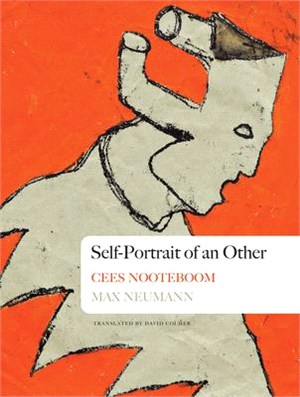
Cees Nooteboom, best known for his novel The Following Story,is one of the most distinguished and significant authors living in the Netherlands today. Self-Portrait of an Other is one o
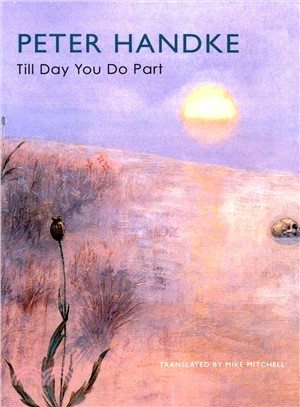
Described as an answer to or at least an echo of Samuel Beckett’s Krapp’s Last Tape?, Till Day You Do Part Or A Question of Light, by esteemed Austrian playwright and novelist Peter Handke,
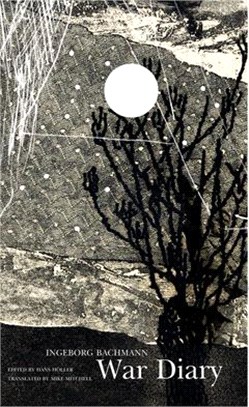
Austrian writer Ingeborg Bachmann (1926–73) is recognized as one of the most important novelists, poets, and playwrights of postwar German literature. As befitting such a versatile writer, her&#
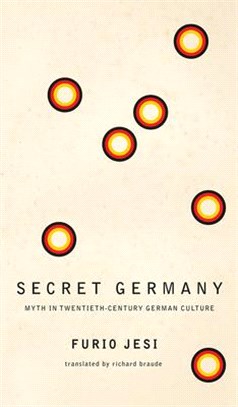
In the decades before the rise of the Third Reich, “Secret Germany” was a phrase used by the circle of writers around the poet Stefan George to describe a collective political and poetic p
When Life in Peactime opens, on May 29, 2015, engineer Ivo Brandani is sixty-nine years old. He’s disillusioned and angry—but morbidly attached to life. As he makes a day-long trip home fr
Arwa Salih was a member of the political bureau of the Egyptian Communist Workers Party, which was founded in the wake of the Arab–Israeli War and the Egyptian student movement of the early 1970
Few writers have ever experienced such a steady rise in their reputation and public profile as Swiss writer Robert Walser (1878–1956) has seen in recent years. As more of his previously little k
“I now no longer use the better words.” Ilse Aichinger (1921–2016) was one of the most important writers of postwar Austrian and German literature. Born in 1921 to a Jewish mother, s
A young woman who has been living abroad returns to her hometown of Frankfurt am Main in Germany. Her sister Ines—a beautiful, impetuous painter—who still lives there, soon appears and promptly asks f
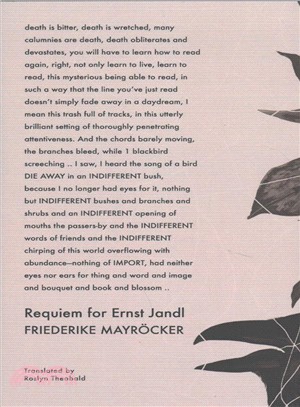
Austrian poet and playwright Ernst Jandl died in 2000, leaving behind his partner, poet Friederike Mayröcker—and bringing to an end a half century of shared life, and shared literary work. Mayröcker i
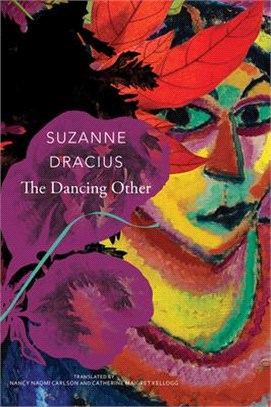
The Dancing Other takes readers to France and Martinique to reveal the struggles of people who belong both places, but never quite feel at home in either. Suzanne Dracius tells the story of Rehvana, a
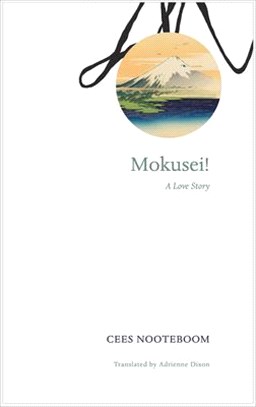
Two men talk in Tokyo. One, a Belgian, is a diplomat. The other, Dutch, is a photographer. What, they wonder, is the real face of Japan? How can they get beyond the European idea of the nation and its
Toby Litt is one of that rare breed of fiction writers who never writes the same book twice: every time out, he takes an unexpected new tack—and his readers happily follow. ?Told in the form of
London between the wars was a place of anxiety and uncertainty. After the postwar boom of the 1920s, the aftereffects of the stock market crash hit London, and, even as the fortunes of the aristocracy
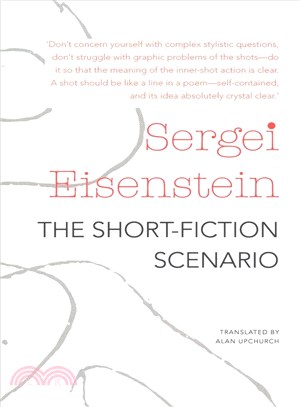
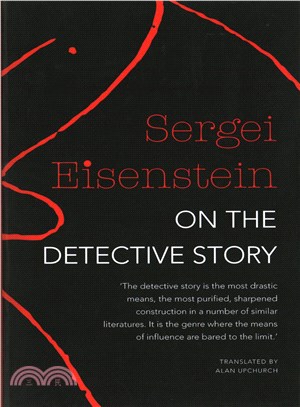
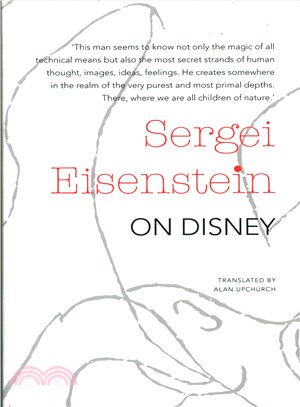
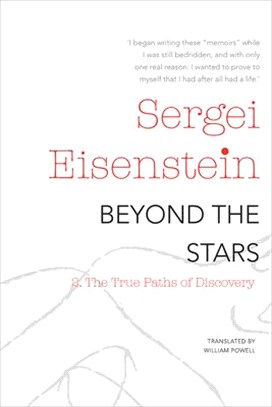
Few figures in cinema history are as towering as Russian filmmaker and theorist Sergei Mikhailovitch Eisenstein (1898–1948). Not only did Eisenstein direct some of the most important and lasting
Few figures in cinema history are as towering as Russian filmmaker and theorist Sergei Mikhailovitch Eisenstein (1898–1948). Not only did Eisenstein direct some of the most important and lasting
Few figures in cinema history are as towering as Russian filmmaker and theorist Sergei Mikhailovitch Eisenstein (1898–1948). Not only did Eisenstein direct some of the most important and lasting
Few figures in cinema history are as towering as Russian filmmaker and theorist Sergei Mikhailovitch Eisenstein (1898–1948). Not only did Eisenstein direct some of the most important and lasting
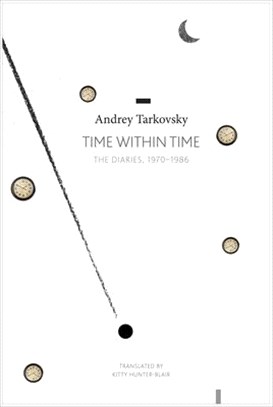
“Tarkovsky for me is the greatest,” wrote Ingmar Bergman. Andrey Tarkovsky only made seven films, but all are celebrated for its striking visual images, quietly patient dramatic structures, and vision
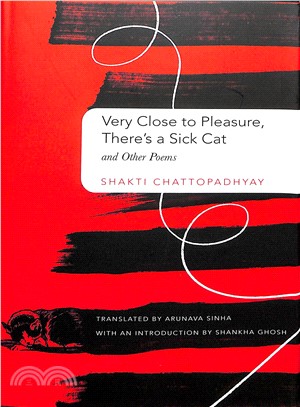
In the early 1960s, the Hungry Generation revitalized Bengali poetry in Calcutta, liberating it from the fetters of scholarship and the fog of punditry and freeing it to explore new forms, language, a
Few figures in cinema history are as towering as Russian filmmaker and theorist Sergei Mikhailovitch Eisenstein (1898–1948). Not only did Eisenstein direct some of the most important and lasting
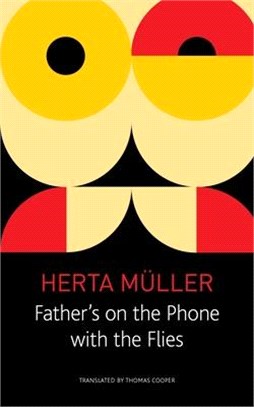
To create the poems in this collection, Nobel Prize–winner Herta Müller cut up countless newspapers and magazines in search of striking phrases, words, or even fragments of words, which she
One of the greatest ambassadors of Indian cinema on the global stage, Mrinal Sen has always seen his life and work as part of the social and political fabric of his time. Considered the enfant terribl
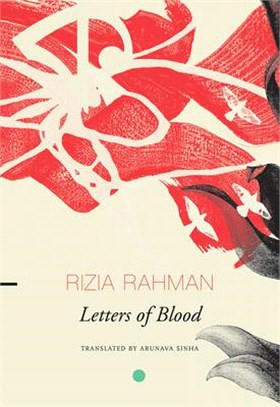
Bengali writer Riza Rahman is the author of more than fifty novels, as well as countless short stories, set in Bangladesh and bringing to life the difficult, mostly forgotten lives of its poorest and
This gripping novel brilliantly straddles the divide between thrillers and literature. Moinul Ahsan Saber here tells the story of Kobej Lethel, a ruthless soldier of fortune employed by a corrupt vill
Bangladesh in 1971 showed vividly, and terribly, the deadly effects of war. Piles of corpses, torture cells, ash and destruction everywhere in the wake of the Pakistani army’s attacks on Bengali
A towering figure in twentieth-century theater in India, Habib Tanvir was an actor, director, and playwright, working in Hindi and Urdu. He founded the Naya Theater in 1959, through which he created r
Recorded during Jorge Luis Borges’s final years, this second volume of his conversations with Osvaldo Ferrari provides a wide-ranging reflection on the life and work of Argentina’s master writer and f
It’s the mid-to-late 1800s and the British have banished Wajid Ali Shah—the nawab of Awadh in Lucknow—to Calcutta. To the sound of the soulful melody of the sarangi, the mercurial courtesan Laayl-e Aa
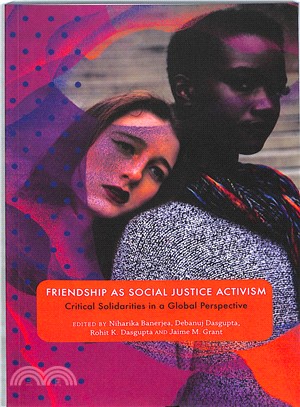
Friendship as Social Justice Activism brings together academics and activists to have essential conversations about friendship, love, and desire as kinetics for social justice movements. The contribut
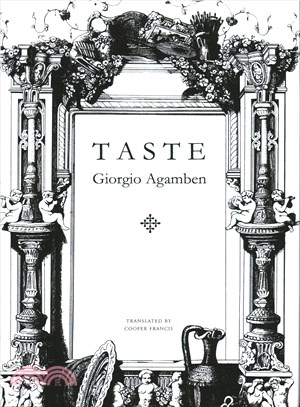
Our taste buds are a powerful way for humans to know beauty and experience beautiful things. In Taste, Italian philosopher Giorgio Agamben takes a close look at why the sense of taste has not historic
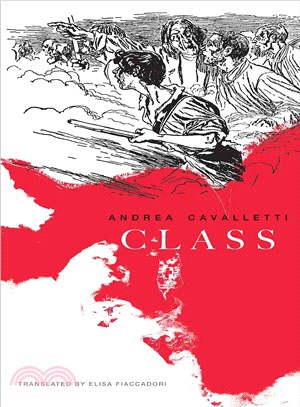
In 1936, Walter Benjamin defined the revolutionary class as being in opposition to a dense and dangerous crowd, prone to fear of the foreign, and under the spell of anti-Semitic madness. Today, in for
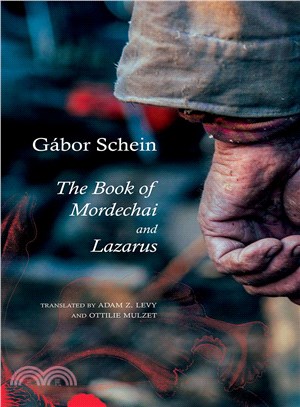
The Book of Mordechai and Lazarus are the first and the second novels by Hungarian writer Gábor Schein. Published together in one volume, this book is the first in Seagull Book’s new Hungarian List se
Bergeners is a love letter to a writer’s hometown. The book opens in New York City at the swanky Standard Hotel and closes in Berlin at Askanischer Hof, a hotel that has seen better days. But between
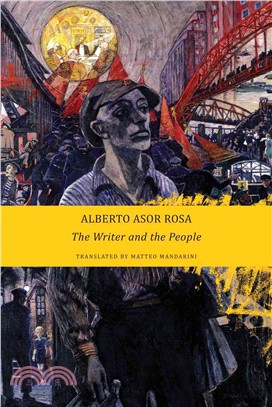
Originally published in 1965, The Writer and the People was one of the key books in the revitalization and invigoration of the young Left in late-1960s Italy. Aiming to demystify the myth of populism,