This volume shows K-8 teachers how to use poems in reading and writing workshops and across content areas. It defines mentor texts and discusses the connections between reading and writing and ways to
“Gentry and Ouellette are cannonballing into the reading research pool, they’re making waves, and these waves are moving the field of reading forward.”
Spark! Quick Writes to Kindle Hearts and Minds in Elementary Classrooms The act of writing doesn’t just convey our thinking; it shapes our thinking. Literacy expert Paula Bourq
Little Readers, Big Thinkers: Teaching Close Reading in the Primary Grades Young learners are full of questions and wonderings, so much so that sometimes they need a guide for their curiosity. With Am
The Art of Comprehension [creates] an invisible thread that stretches across varied professional contexts to connect art, literacy, and all content areas.—From the forward by Dr. Mary Howar
“Sense-making makes mathematics personal, and when it’s personal, it comes to life. And that’s how Number Talks can really make a difference.”—Ruth Parker and Cathy Humph
Students do not experience math in a vacuum. The curriculum, the students’ social and emotional well-being, and the teacher’s expertise as a facilitator must all be attended to, and each i
Cathy Fraser believes that school research projects should be less of a chore and more like police investigations. In Love the Questions she describes ways to engage middle and secondary students from
Conferring with students about reading allows for clearer access to one-on-one, in-the-moment teaching and learning, yet it can feel intimidating or overwhelming. Kari Yates and Christina Nosek want t
Do you feel prepared to initiate and facilitate meaningful, productive dialogues about race in your classroom? Are you looking for practical strategies to engage with your students?Inspired by Frederi
Discover what happens when your students step out of their daily routines and activate their engagement. Author Katherine Mills Hernandez argues that movement, talk, and the physical environment of th
Ask successful writers and they’ll tell you, the key to writing well is revision. Ask elementary school teachers and they’ll tell you, the real challenge of writing instruction is teaching kids how to
To help students communicate their mathematical thinking, many teachers have created classrooms where math talk has become a successful and joyful instructional practice. Building on that success, the
Differentiated instruction is a nice idea, but what happens when it comes to assessing and grading students? What's both fair and leads to real student learning? An internationally recognized expert o
Upper elementary teachers have a big job: to help students deepen their mathematical understanding and become more efficient mathematicians. Number Sense Routines: Developing Mathematical Understandin
How do we ensure that all students are engaged each day in meaningful, challenging, and joyful work and have equal opportunity to learn? That is the central question Regie Routman addresses in
Are your students bored in class? According to research, a majority of American high school students report being bored in class and fewer than 5% claimed that they were rarely bored during a ty
Most teachers enter the field of education to make a difference in children’s lives. But many end up, as author Lisa Lucas puts it, “tired, wired, and running in circles.” This leads
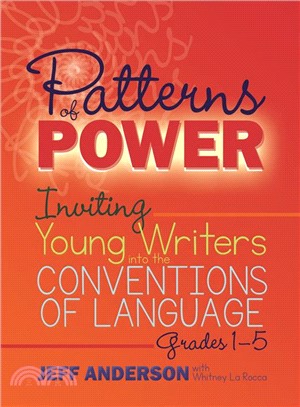
Jeff Anderson and literacy coach Whitney La Rocca take you into primary and intermediate classrooms where students are curious about language, engage with the world around them, and notice and experim
In A Closer Look, Lynne Dorfman and Diane Dougherty provide the tools and strategies you need to use formative assessment in writing workshop. Through Lynne and Diane’s ideas, you will be able t
In this moving, personal book, Ruth Ayres weaves together her experience as a mother, teacher, and writer. She explores the power of stories to heal children from troubled backgrounds and offers up st
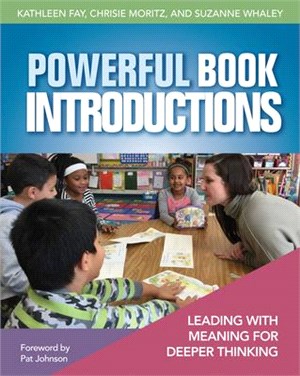
Effective book introductions during guided reading set the stage for young readers to navigate new texts independently and successfully and often shape the outcome of small-group lessons. Many teacher
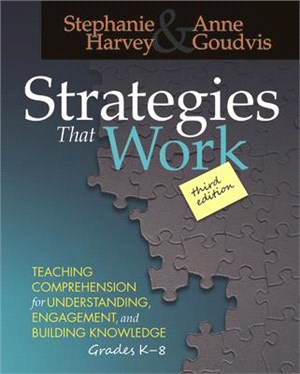
In this new edition of their groundbreaking book Strategies That Work, Stephanie Harvey and Anne Goudvis share the work and thinking they’ve done since the second edition came out a decade ago and off
Being literate in an academic discipline means more than simply being able to read and comprehend text; it means you can think, speak, and write as a historian, scientist, mathematician, or artist. Do
Relax and enjoy an afternoon’s reflection on how to break out of rigid prescriptions and orthodoxies that limit writing instruction . . . . —Tom Newkirk, from the Foreword When was the las
It’s been a decade since Lynne Dorfman and Rose Cappelli wrote the first edition of Mentor Texts and helped teachers across the country make the most of high-quality children's literature in
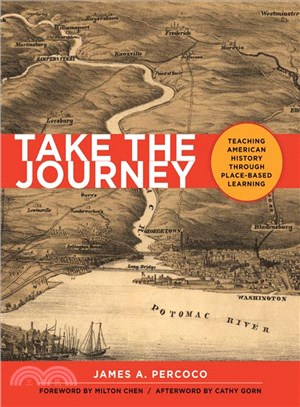
In Take the Journey, author, historian, and educator James Percoco invites you and your students to the places where many events in American history happened. The Journey Through Hallowed Ground is a
“You can’t learn to hit a three-point shot without missing a lot of shots. You can’t learn to play a piece of music correctly without striking a lot of wrong notes.” And, as Nancy Anderson explains in
Accessible Algebra is for any pre-algebra or algebra teacher who wants to provide a rich and fulfilling experience to students as they develop new ways of thinking through and about algebra. Each of t
In this practical, engaging book, former elementary school teacher and university professor Brian Kissel asks teachers to go back to the roots of writing workshop. What happens when students, not plan
In We Can Do This! writing expert and Stella Writes author Janiel Wagstaff pairs examples of student writing with writing lessons. Student writing samples are extremely powerful tools for boosting the
“There is power that resides in outstanding culturally diverse literature—a power that has the potential to engage students in reading and teach them about the art and craft of writing.” —Ruth Culham
Foreword by Colby Sharp In the decade since the first edition of Still Learning to Read was published, the prevalence of testing and the Common Core State Standards have changed what is expected of
The Standards for Mathematical Practice are written in clear, concise language. Even so, to interpret them and visualize what they mean for your teaching practice isn’t always easy. In this practical,
It's been said that good writers borrow while great writers steal. Writing thieves read widely, dive deeply into texts, and steal bits and pieces from great texts as models for their own writing. Ruth
Starting Strong shows teachers how to use four proven instructional approaches—standards based, evidenced based, assessment based, and student based—to improve their teaching practice in all areas of
If you’ve ever sat down to confer with a child and felt at a loss for what to say or how to help move him or her forward as a writer, this book is for you. If you are a strong teacher of writing but a
The first edition of Becoming a Literacy Leader chronicled Jennifer’s work as she moved to a new school and a new job as a literacy specialist and found herself tackling everything from teacher study
In today’s globally connected world, it is essential for students to have an understanding of multiple cultures and perspectives. In this edited collection, Kathy Short, Deanna Day, and Jean Schroeder