John Maynard Keynes (1883-1946) is perhaps the foremost economic thinker of the twentieth century. On economic theory, he ranks with Adam Smith and Karl Marx; and his impact on how economics was pract
With an Introduction and Notes by Linda Dryden, Professor of English Literature at Edinburgh Napier University and the author of Joseph Conrad and H. G. Wells: The Fin-de Siecle-Literary Scene.At the
This powerful novel, Tolstoy’s third major masterpiece, after War and Peace and Anna Karenina, begins with a courtroom drama (the finest in Russian literature) all the more stunning for being based on
With an Introduction and Notes by Dr Keith Carabine, University of Kent at Canterbury. Lucia is one of the great comic characters in English literature. Outrageously pretentious, hypocritical and snob
With an Introduction and Notes by Dr Keith Carabine, University of Kent at Canterbury. These three wonderful comic novels drolly record the battle between Lucia and Elisabeth Mapp for social and cultu
With an Introduction by Rosemary O'Day. London Labour and the London Poor is a masterpiece of personal inquiry and social observation. It is the classic account of life below the margins in the greate
This is a book to be read by a blazing fire on a winter's night, with the curtains drawn close and the doors securely locked. The unquiet souls of the dead, both as fictional creations and as 'real' a
With an Introduction and Notes by Dr T.C.B.Cook.Count Leo Tolstoy (1828-1910) is best known for War and Peace and Anna Karenina, commonly regarded as amongst the greatest novels ever written. He also,
With an Introduction and Notes by Keith Wren, University of Kent at Canterbury. The Man in the Iron Mask is the final episode in the cycle of novels featuring Dumas' celebrated foursome of D'Artagnan,
Edited and with an Introduction and Notes by Dr Keith Carabine. University of Kent at Canterbury. Uncle Tom's Cabin is the most popular, influential and controversial book written by an American.Stowe
With an Introduction and Notes by Dr Pamela Bickley, The Godolphin and Latymer School, formerly of Royal Holloway, University of London. The Last Man is Mary Shelley's apocalyptic fantasy of the end o
With an Introduction and Notes by Keith Wren, University of Kent at Canterbury. The story of Edmund Dantes, self-styled Count of Monte Cristo, is told with consummate skill. The victim of a miscarriag
Gibbon's Decline and Fall of the Roman Empire, published between 1776 and 1788, is the undisputed masterpiece of English historical writing which can only perish with the language itself. Its length a
The Prophet represents the acme of Kahlil Gibran's achievement. Writing in English, Gibran adopted the tone and cadence of King James I's Bible, fusing his personalised Christian philosophy with a spi
With an Introduction and Notes by Esther Saxey The flaxen-haired beauty of the childlike Lady Audley would suggest that she has no secrets. But M.E. Braddon's classic novel of sensation uncovers the t
With an Introduction by Helen Moore. The legend of King Arthur and his knights of the Round Table is one of the most enduring and influential stories in world literature. Its themes - love, war, relig
With an Introduction by Mishtooni Bose. More's Utopia is a complex, innovative and penetrating contribution to political thought, culminating in the famous 'description' of the Utopians, who live acco
With an Introduction and Notes by Dr Carole Jones, freelance writer and researcher. George Eliot's final novel, Daniel Deronda (1876), follows the intertwining lives of the beautiful but spoiled and s
With an Introduction by Lionel Kelly, University of Reading. Translated by C.J. Hogarth.Fathers and Sons is one of the greatest nineteenth century Russian novels, and has long been acclaimed as Turgen
With an Introduction and Notes by Peter Merchant, Canterbury Christchurch University College The Tenant of Wildfell Hall is a powerful and sometimes violent novel of expectation, love, oppression, sin
Introduction and Notes by Norman Vance, Professor of English, University of Sussex.Jude Fawley is a rural stone mason with intellectual aspirations. Frustrated by poverty and the indifference of the a
With an Introduction and Notes by Lionel Kelly, University of Reading. In 1915, Lawrence's frank representation of sexuality in The Rainbow caused a furore and the novel was seized by the police and b
With an Introduction and Notes by Charles P.C. Pettit. Thomas Hardy's only historical novel, The Trumpet Major is set in Wessex during the Napoleonic Wars.Hardy skilfully immerses us in the life of th
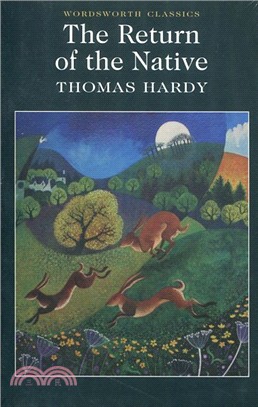
With an Introduction and Notes by Claire Seymour, University of Kent at Canterbury. The Return of the Native is widely recognised as the most representative of Hardy's Wessex novels. He evokes the dis
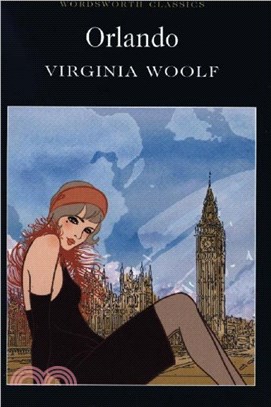
With an Introduction and Notes by Merry M. Pawlowski, Professor and Chair, Department of English, California State University, Bakersfield. Virginia Woolf's Orlando 'The longest and most charming love
Introduction and Notes by David Blair, University of Kent at Canterbury. Set in the reign of Richard I, Coeur de Lion, Ivanhoe is packed with memorable incidents - sieges, ambushes and combats - and e
The Owl and the Pussy-Cat, Calico Pie and The Pobble Who Has No Toes, together with Edward Lear's crazy limericks, have entertained adults and children alike for over 100 years. This edition, illustra
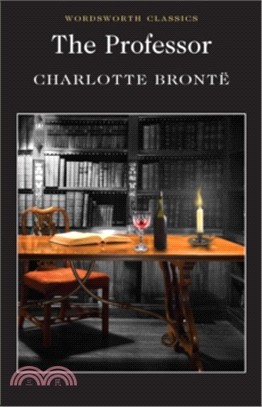
With an Introduction and Notes by Dr Sally Minogue. The Professor is Charlotte Brontes first novel, in which she audaciously inhabits the voice and consciousness of a man, William Crimsworth. Like Jan
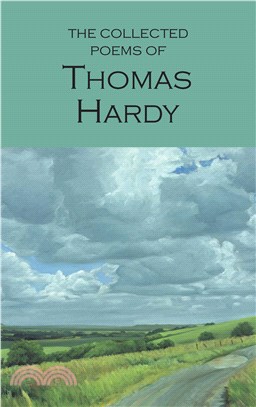
With an Introduction, Bibliography and Glossary by Michael Irwin, Professor of English Literature University of Kent at Canterbury. Thomas Hardy started composing poetry in the heyday of Tennyson and
With an Introduction, Notes and Bibliography by Dr Bruce Woodcock, Senior Lecturer in English, University of Hull. Shelley's short, prolific life produced some of the most memorable and well-known lyr
With an Introduction and Notes by Dr Nicola Bradbury, University of Reading. This simple and haunting story captures the transcience of life and its surrounding emotions. To the Lighthouse is the most
With an Introduction by Antonia Till. William Wordsworth (1771-1850) is the foremost of the English Romantic poets. He was much influenced by the events of the French Revolution in his youth, and he d
With an Introduction and Notes by Sally Minogue The Shirley of the title is a woman of independent means; her friend Caroline is not. Both struggle with what a woman's role is and can be. Their male c
With an Introduction and Notes by Dr Patsy Stoneman, University of Hull. Set in the mid-19th century, and written from the author's first-hand experience, North and South follows the story of the hero
Translated by C.E.Detmold. With an Introduction by Lucille Margaret Kekewich. Written in 1513 for the Medici, following their return to power in Florence, The Prince is a handbook on ruling and the ex
Far from fading with time, Kenneth Grahame's classic tale of fantasy has attracted a growing audience in each generation. Rat, Mole, Badger and the preposterous Mr Toad (with his 'Poop-poop-poop' road
Edited, Introduced and Annotated by Cedric Watts, Research Professor of English Literature, University of Sussex. The Wordsworth Classics' Shakespeare Series, with Henry V and The Merchant of Venice a
With an Introduction and Notes by David Ellis, University of Kent at Canterbury. With Illustrations by R.Seymour, R.W. Buss and Hablot K.Browne (Phiz). The Pickwick Papers is Dickens' first novel and
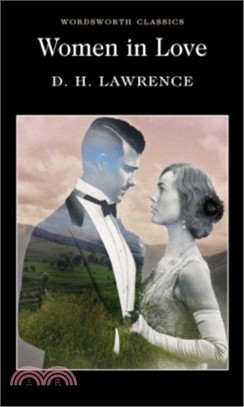
ntroduction and Notes by Dr Jeff Wallace, University of Glamorgan.Lawrence's finest, most mature novel initially met with disgust and incomprehension. In the love affairs of two sisters, Ursula with R
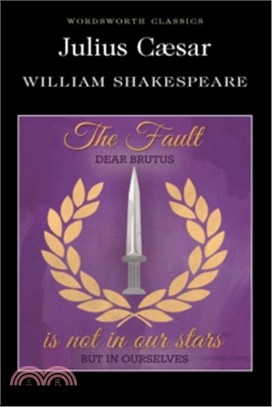
Edited, introduced and annotated by Cedric Watts, Research Professor of English, University of Sussex. Julius Caesar is among the best of Shakespeare's historical and political plays. Dealing with eve