This introductory treatment of theory, proof techniques, and related concepts is designed for undergraduate courses. Topics include propositional logic, quantifiers, sets, functions, relations, mathem
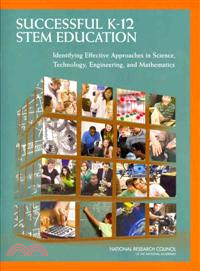
Examines the landscape of K-12 science, technology, engineering, and mathematics (STEM) education by considering different school models, highlighting research on effective STEM education practices, a
The only text available on graph theory at the freshman/sophomore level, it covers properties of graphs, presents numerous algorithms, and describes actual applications to chemistry, genetics, music,
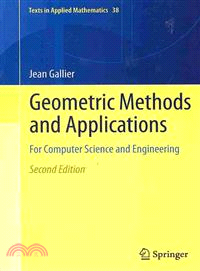
Now in a second, expanded edition, this book bridges the gap between standard geometry books, which are primarily theoretical, and applied books on computer graphics and introduces a range of geometri
This book develops a type theory, studies its properties, and explains its uses in computer science. The book focuses in particular on how the study of type theory may offer a powerful and uniform la
On the General Science of Mathematics is the third of four surviving works out of ten by Iamblichus (c. 245 CE–early 320s) on the Pythagoreans. He thought the Pythagoreans had treated mathematics as e
The logic and methodology of design is examined in this book from the perspective of computer science. Computers provide the context for this examination both by discussion of the design process for hardware and software systems and by consideration of the role of computers in design in general. The central question posed by the author is whether or not we can construct a theory of design. This book concentrates upon the relationship between design, mathematics and science and thus its audience must include designers and software designers as well as computer scientists.
The logic and methodology of design is examined in this book from the perspective of computer science. Computers provide the context for this examination both by discussion of the design process for hardware and software systems and by consideration of the role of computers in design in general. The central question posed by the author is whether or not we can construct a theory of design. This book concentrates upon the relationship between design, mathematics and science and thus its audience must include designers and software designers as well as computer scientists.
The central theme of these essays is the nature and role of mathematics, its growth and spread, and its involvement with ever-wider areas of knowledge. The author attempts to determine the decisive an