In Jesuit Foundations and Medici Power, 1532-1621 Kathleen M. Comerford traces the rise of the Medici Grand Dukes and three Jesuit colleges in Tuscany. The book focuses on church/state cooperation in
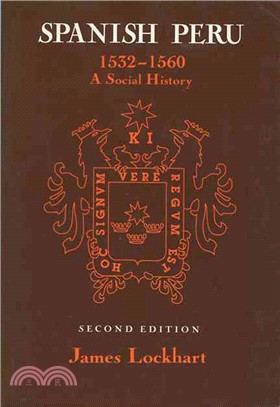
When Spanish Peru, 1532–1560 was published in 1968, it was acclaimed as an innovative study of the early Spanish presence in Peru.? It has since become a classic of the literature in Spanish American
When the Spanish invaded the Inca empire in 1532, the cult of the ancestors was an essential feature of pre-Columbian religion throughout the Andes. The dead influenced politics, protected the living,
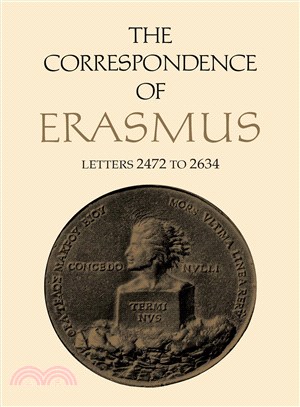
Volume 18 in the Collected Works of Erasmus series covers the period from 1 April 1531 to 30 March 1532. The most persistent theme in the letters is the fear, to which Erasmus had long been prey, that
Wolfgang Capito (1478–1541), a leading Christian Hebraist and Catholic churchman who converted to Protestantism, was a pivotal figure in the history of the Reformation. After serving as a professor of
This book covers the period from the Reformation to the end of Lord Eldon's Chancellorship when the modern law of charity had taken a definite shape. Mr Jones shows how the contemporary religious, economic and social pressures moulded the substantive law and illustrates the importance of procedural considerations in defining the limits of legal charity.
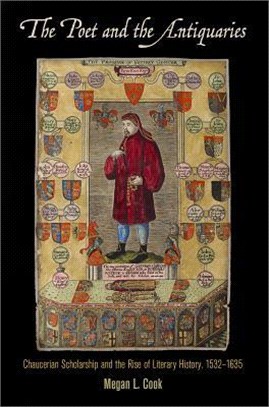
Between 1532 and 1602, the works of Geoffrey Chaucer were published in no less than six folio editions. These were, in fact, the largest books of poetry produced in sixteenth-century England, and they
This book challenges the notion that economic crises are modern phenomena through its exploration of the tumultuous ‘credit-crunch’ of the later Middle Ages. It illustrates clearly how influences such