The goal of the Middle English Texts Series is to make available to teachers and students texts which occupy an important place in the literary and cultural canon but which have not been readily avail
Presents the English translation of part of the proceedings of an international symposium on "Vatican II in the Pontificate of John Paul II." Reflects on the key themes of the council and of the ponti
Ever since the Age of Discovery, Europeans have viewed the New World as a haven for the victims of religious persecution and a dumping ground for social liabilities. Marilyn C. Baseler shows how the N
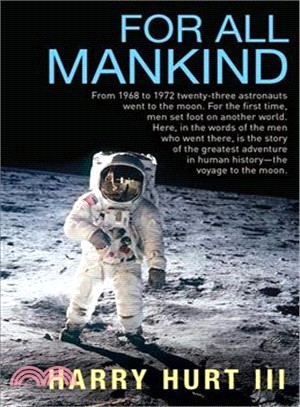
Between December 1968 and December 1972, twenty-four men captured the imagination of the world as they voyaged to the moon. In For All Mankind, Harry Hurt III presents a dramatic, engrossing, and expa
Everyman and Mankind are morality plays which mark the turn of the medieval period to the early modern, with their focus on the individual. Everyman follows a man’s journey towards death and his effor
Everyman and Mankind are morality plays which mark the turn of the medieval period to the early modern, with their focus on the individual. Everyman follows a man’s journey towards death and hi
Velikovsky returns to his roots as a psychologist and psychoanalytical therapist, with humanity as a whole as his patient. After an extremely revealing overview of the foundations of the various psych
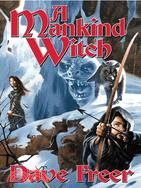
(Starred Review) A‥In Freer's superior heroic fantasy novel, set in 16th-century Scandinavia, allies of a demon try to thwart Christian missionary-magicians from the Holy Roman Empire. Freer (The For
Why did God not want man to have the knowledge of good and evil? In a sense, Adam and Eve "bit off more than they could chew." Their whole world changed. Were God's words to them judgment or prophecy?
Originally written in 1921 for the author’s grandchildren, Hendrik Willem van Loon’s The Story of Mankind has charmed generations with its warmth, simplicity, and wisdom. Rather than the dry recitatio
The Story of Mankind was written and illustrated by Dutch-American journalist, professor, and author Hendrik Willem van Loon and published in 1921. In 1922, it was the first book to be awarded the New