Computer scientists often need to learn new programming languages quickly. The best way to prepare for this is to understand the foundational principles that underlie even the most complicated industrial languages. This text for an undergraduate programming languages course distills great languages and their design principles down to easy-to-learn 'bridge' languages implemented by interpreters whose key parts are explained in the text. The book goes deep into the roots of both functional and object-oriented programming, and it shows how types and modules, including generics/polymorphism, contribute to effective programming. The book is not just about programming languages; it is also about programming. Through concepts, examples, and more than 300 practice exercises that exploit the interpreter, students learn not only what programming-language features are but also how to do things with them. Substantial implementation projects include Milner's type inference, both copying and mark-an
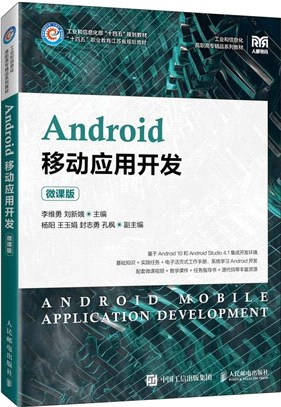
本書系統介紹了基於Android 10.0和Android Studio 4.1集成環境開發Android應用程序的基礎知識和實際應用。全書按照項目開發的技能訓練邏輯分為9章,包括Android基礎入門、Android基礎界面設計、Activity與Fragment、Android高級界面設計、數據存儲、服務與廣播、網絡編程、多媒體開發和進階技術,由淺入深、循序漸進地闡述Android開發的基礎知
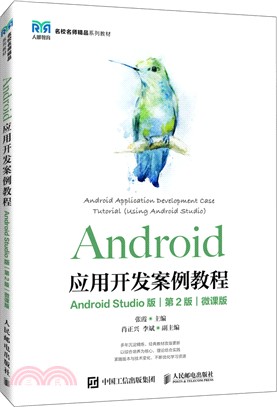
本書是關於Android開發的實戰教程,內容安排由淺入深、從基礎到高級,內容講解採用了Android Studio 3.1開發環境。全書共分為11章,涵蓋Android Studio的開發環境搭建,Android控件的使用、四大組件的使用、消息處理機制與異步任務開發、位置和傳感器、網絡編程等內容。 本書通俗易懂、案例豐富,不僅適用於Android開發的廣大從業人員、APP開發的業餘愛好者,也