Of the approximately 640 muscles in the human body, over 10% of them are found in the craniofacial region. The craniofacial muscles are involved in a number of crucial non-locomotor activities, and ar
Like a finely tuned machine, the human body is an awe-inspiring marvel worthy of further investigation. In addition to highlighted content-area vocabulary and photographs, some books feature a lab act
Biomimetic Robotic Artificial Muscles presents a comprehensive up-to-date overview of several types of electroactive materials with a view of using them as biomimetic artificial muscles. The purpose o
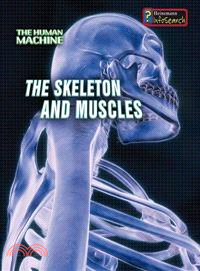
Describes the musculoskeletal system in a human's body, including information on the physical properties of bones and how muscles and bones work together to make the body move and function.
Books in this series introduce readers to the function, appearance, and purpose of some important organs. Each book uses simple text and vivid photographs to explain one organ and its role in a healt
Books in this series introduce readers to the function, appearance, and purpose of some important organs. Each book uses simple text and vivid photographs to explain one organ and its role in a healt
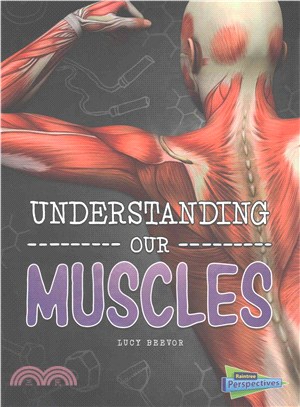
Can you name some of the muscles you use every day? Learn about how muscles give your body shape, keep your heart beating, and help you move. This title supports NGSS From Molecules to Organisms: Stru
Without muscles we would not be able to move. Muscles keep our digestive system working too, and our heart is a large muscle that works all the time. This book looks at how muscles, tendons and nerves
Presents an overview of human physiology and anatomy, including health and hygiene. This work is a useful resource for Steiner-Waldorf teachers of classes 7-8 (ages 12-14).