Syria's Monuments: their Survival and Destruction analyses travellers’ accounts of the Roman, Christian and Islamic monuments of Syria (including Lebanon, Jordan, Palestine/Israel). An epilogue assess
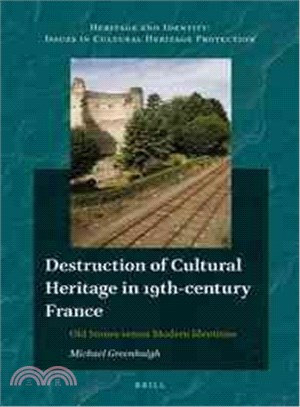
Destruction of Cultural Heritage in 19th Century France charts the destruction of earlier architecture as towns pull down their walls, build modern houses, welcome railways and, except for a few schol
In Cultural Property Crime, experts from a wide range of disciplines provide analytical insights into classical and contemporary criminal acts that affect our cultural heritage worldwide, both in peac
Integration politics in the Netherlands has changed dramatically between 1990 and 2005. Whereas ethnic and religious differences were hitherto pacified through accommodation, a new and increasingly
Following recent events in Eastern Europe, questions surrounding European identity seem more pressing than ever. This volume explores, through a series of ethnographic case studies, the construction a
More than 450 years after their birth in the Anabaptist movement, 125 years after their secession from Russian Mennonitism, and 60 years after their immigration to Canada, the Mennonite Brethren exhib
Around the world, tourists are drawn to visit murals painted on walls. Whether heritage asset, legacy leftover, or contested art space, the mural is more than a simple tourist attraction or accidental
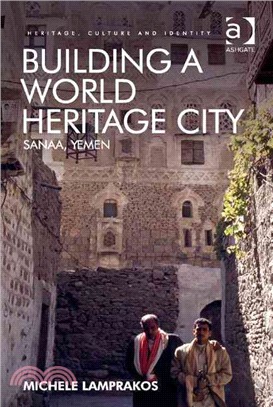
The conservation of old Sanaa is a major cultural heritage initiative that began in the 1980's under the auspices of UNESCO; it continues today, led by local agencies and actors. In contrast to othe
Edward Said was an exiled individual - the 'out of place' Palestinian in the USA. He saw the consequences of the 1948 dismantling of Palestine and the establishment of Israel through his parents' expe
Around the world, visitors are drawn to visit murals painted on walls that express something about the politics, heritage and identity of the locations being visited. In some cases, murals created for
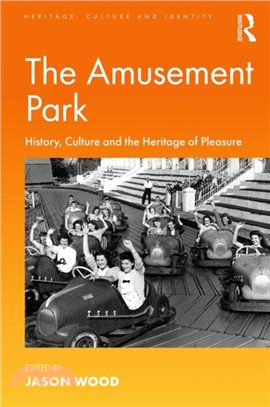
From the turn of the twentieth century, when amusement parks first sprang up in cities and seaside resorts across Britain, their mixture of fantastical architecture, technology and multi-sensory thril
Public participation and local community involvement have taken centre stage in heritage practice in recent decades. In contrast with this established position in wider heritage work, public engagemen
Today UNESCO is above all associated with World Heritage. World Heritage has become an established global “brand†with great appeal to many stakeholders, as it boosts tourism-related income while c
Genealogy has become a widely popular pursuit, as millions of people now research their family history, trace their forebears, attend family reunions and travel to ancestral home sites. Geographers
The remarkable success of the 1972 UNESCO Convention Concerning the Protection of World Cultural and Natural Heritage is borne out by the fact that nearly 1,000 properties have now been designated as
The 'visual' has long played a crucial role in forming experiences, associations, expectations and understandings of heritage. Images convey meaning within a range of practices, including tourism, ide
Arguing that heritage typically plays one of only a distinct set of roles in the process in which regional identities are formed, this book deepens the understanding of how heritage works in regional
'Sense of place' has become a familiar phrase, used to describe emotional attachment to a particular location. As heritage management policy and practices increasingly attempt to draw on the views and
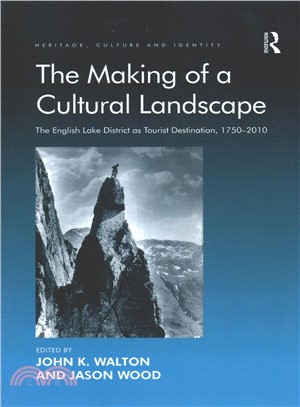
For centuries, the English Lake District has been renowned as an important cultural, sacred and literary landscape. It is therefore surprising that there has so far been no in-depth critical examinati
This book sets itself apart from much of the burgeoning literature on war commemoration within human geography and the social sciences more generally by analysing how the Second World War (1941-45) is
This volume presents a collection of the latest scholarly research on language, migration and identity. In a globalised world where migratory patterns are in constant flux, the traditional notion of t
The remarkable success of the 1972 UNESCO Convention Concerning the Protection of World Cultural and Natural Heritage is borne out by the fact that nearly 1,000 properties have now been designated as
The conservation of old Sanaa is a major cultural heritage initiative that began in the 1980's under the auspices of UNESCO; it continues today, led by local agencies and actors. In contrast to other
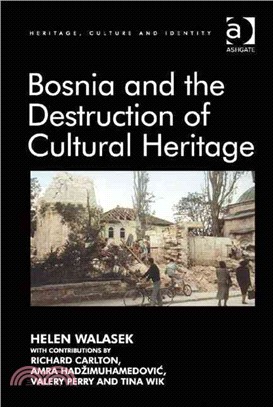
The massive intentional destruction of cultural heritage during the 1992-1995 Bosnian War targeting a historically diverse identity provoked global condemnation and became a seminal marker in the disc
Food - its cultivation, preparation and communal consumption - has long been considered a form of cultural heritage. A dynamic, living product, food creates social bonds as it simultaneously marks off