商品簡介
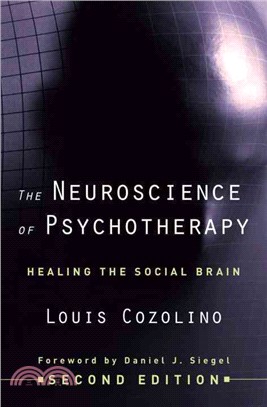
Incontrast to this view, recent theoretical advances in brain imaging have revealedthat the brain is an organ continually built and re-built by one's experience. Weare now beginning to learn that many forms of psychotherapy, developed in theabsence of any scientific understanding of the brain, are supported by neuroscientificfindings. In fact, it could be argued that to be an effective psychotherapistthese days it is essential to have some basic understanding of neuroscience.Louis Cozolino's The Neuroscience of Psychotherapy is the perfect place to start.
In a beautifully written and accessible synthesis, Cozolino illustrates how thebrain's architecture is related to the problems, passions, and aspirations of humanbeings. As the book so elegantly argues, all forms of psychotherapy--frompsychoanalysis to behavioral interventions--are successful to the extent towhich they enhance change in relevant neural circuits.
Beginning with an overview of the intersecting fields of neuroscience andpsychotherapy, this book delves into the brain's inner workings, from basicneuronal building blocks to complex systems of memory, language, and theorganization of experience. It continues by explaining the development andorganization of the healthy brain and the unhealthy brain. Common problemssuch as anxiety, trauma, and codependency are discussed from a scientificand clinical perspective. Throughout the book, the science behind the brain'sworking is applied to day-to-day experience and clinical practice.
Written for psychotherapists and others interested in the relationship betweenbrain and behavior, this book encourages us to consider the brain when attemptingto understand human development, mental illness, and psychological health.Fully and thoroughly updated with the many neuroscientific developments thathave happened in the eight years since the publication of the first edition, thisrevision to the bestselling book belongs on the shelf of all practitioners.