商品簡介
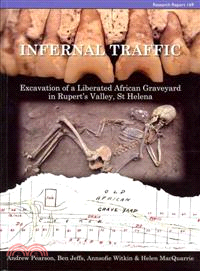
Britain's abolition of the slave trade in 1807 did not end the traffic of human beings across the Atlantic. Indeed, for many decades to come, hundreds of thousands of Africans continued to be shipped into slavery. South Atlantic island of St. Helena played a pivotal role in Britain's effort to suppress the slave trade. During this period it received over 25,000 'liberated Africans' taken from slave ships by Royal Navy patrols. Conditions aboard the slavers were appalling and many did not survive their ordeal. Rupert's Valley therefore became a graveyard to many thousands of Africans. In 2008 archaeological excavations in advance of a proposed airport uncovered a small part of that graveyard, revealing the burials of over 300 victims of the slave trade. This book presents the findings of this unique archaeological and osteological study, and brings the inhumanity of the slave trade into vivid focus. It tells the story of a group of people who had lived in Africa only a few weeks prior to their death on St. Helena, and who's remains bear witness to the cruelty of their transportation.
作者簡介
The Rupert's Valley project has been undertaken by a group of professional archaeologists from both the academic and commercial sectors. The project director, Dr Andrew Pearson, is an archaeologist and historian in the department of Archaeology and Anthropology at the University of Bristol. He is also a private consultant with over ten years' experience of archaeological projects in the UK and abroad. Mr Ben Jeffs is director of Blackfreighter Archaeology and Conservation, a company which carries out archaeological and built heritage projects on a world-wide basis. Dr Annsofie Witkin is an osteologist with over twenty years' experience in her field: formerly a Project Officer with Oxford Archaeology she has recently completed a PhD in the Archaeology and Anthropology department of Bristol University. Miss Helen MacQuarrie is a professional field archaeologist, currently working as a Project Officer for AOC Archaeology. Her ongoing academic research focuses on the artefactual remains of the slave trade.