商品簡介
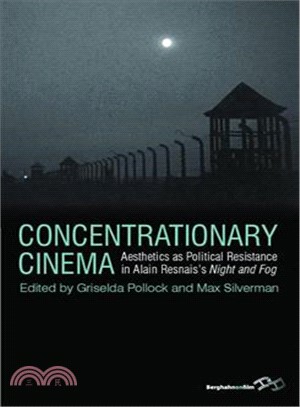
Concentrationary cinema used radical techniques of montage and disorientation, camera movements, and counterpointed commentary to puncture the normality of post-war reconstruction. There are several famous films in the genre, but scholars of literature, film, and history focus here on Night and Fog as the classic. Among their topics are the rescue of an abandoned film, Resnais and the dead, Auschwitz as allegory, post-traumatic cinema, cinema as a slaughterhouse of history, and the responsibility of aesthetics in Night and Fog (1955) and Kapo (1959). Annotation c2012 Book News, Inc., Portland, OR (booknews.com)
作者簡介
Griselda Pollock is Professor of Social and Critical Histories of Art and Director of the Centre for Cultural Analysis, Theory and History at the University of Leeds. From 2004-7 she directed a research project on Holocaust Survivors and Migratory Subjectivity. She works on difference, trauma and aesthetics in relation to art, cinema and visual culture in the 20th century. Forthcoming is After-Affect/After-Image: Trauma and Aesthetic Inscription in the Virtual Feminist Museum (Manchester University Press, 2011).
Max Silverman is Professor of Modern French Studies at the University of Leeds. He has written on cultural memory, representations of the Holocaust, post-colonial theory and cultures, and immigration, race and nation in France. He is currently writing a book on the connections between Holocaust and colonialism in the French and Francophone cultural imaginary entitled Palimpsestic Memory.