商品簡介
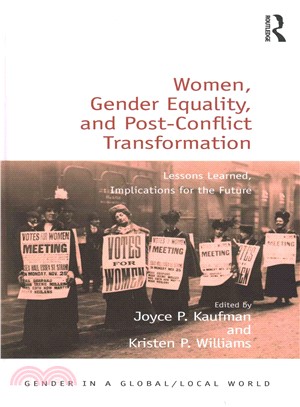
Men and women often have different approaches to, and understandings of war and peace. Different expectations about what the society should look like after conflict ends affect the ways in which men and women approach peace-making, post-conflict transformation, and rebuilding. One important aspect of the post-conflict transformation period involves the disarmament, demobilization and reintegration (DDR) processes. How DDR is handled, specifically who is involved and how inclusive it is, has implications for the society that emerges at the end of the conflict. The literature, as well as lessons of past cases, is instructive in reinforcing the importance of including women in the post-conflict transition process and for our understanding of gender relations in the conflict and post-conflict periods. However, it often does not go far enough in exploring what really happens following the formal end of conflict, and why an underlying insecurity remains. This volume focuses on a series of critical research questions regarding the period following the end of political violence with an emphasis on those questions most relevant to policymakers. By drawing on a strong theoretical framework and a number of cases, this volume provides important insight into questions pertaining to the end of conflict and the challenges inherent in the post-conflict transition period that are relevant to students and practitioners alike. Appended to the cases and conclusions, and informed by the results of the cases, there is an appendix that applies the lessons learned designed specifically for those who make policy decisions pertaining to post-war rebuilding.
作者簡介
Joyce P. Kaufman, Whittier College, USA and Kristen P. Williams, Clark University, USA