The early 1970s saw the birth of the modern comic book shop, which would soon replace drug stores and newsstands as the main source of superheroes and sequential art. Their rise was due in large part to a dynamic high school teacher-turned-entrepreneur, Phil Seuling. His direct market model allowed shops to get comics straight from the publishers, bypassing middlemen. Stores could better customize their offerings and independent publishers could now access national distribution.
In this way, shops opened up a space for quirky ideas to gain an audience and helped transform several small-press series, from Teenage Mutant Ninja Turtles to Bone, into media giants. At the same time, the business model meant stores bore most of the risk as they faced a pattern of booms and busts.
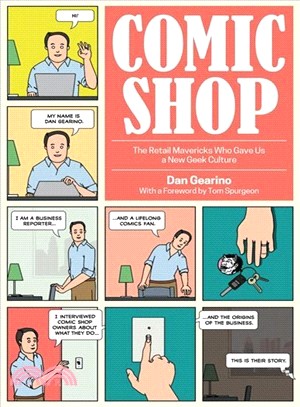
Comic Shop is the first book to trace the cultural and business history of these retail icons. Dan Gearino takes us from their dawn to the present day, when the rise of digital platforms has the industry at a crossroads even as sales are robust. He spends a year with the staff at Laughing Ogre in Columbus, Ohio—itself fast becoming a center for independent comics culture—and interviews those who shaped comics retailing from the early days, including many pioneering women. A guide to forty of the most interesting shops around the U.S. and Canada is a bonus for fans.