商品簡介
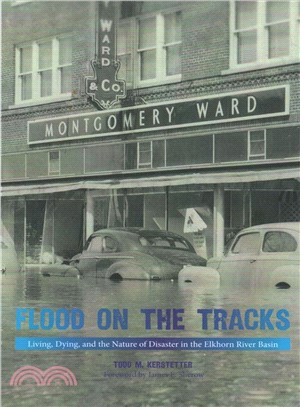
Describing a flooding river as “raging” and “destructive” reveals more about the people than it does about the river. Kerstetter argues that the settler colonists who came to the Elkhorn Basin in the nineteenth century, with the rhetoric of Manifest Density ringing in their ears, planted a culture dependent upon a river it aimed to tame. Failing in that endeavor, they left a legacy of flood damage that cannot be attributed to “natural” disasters and has provided the focal point in the relationship between people and the river. He shows how struggles to alter rivers in the name of flood control played out not only in densely populated urban areas, but also on the sparsely populated Plains when they followed a different trajectory. As pioneers vied for places on the Plains, they also became the architects of future destruction. These non-Indians began to meddle with the environment. They created levees, floodwalls, flood insurance, and disaster relief, which have had the combined effect of luring people and property into the floodplain. The Elkhorn begins and ends within the boundaries of the Great Plains, and is a commercially un-navigable, relatively inconsequential Great Plains river that flows through and under fly-over country. The first Americans to arrive in the Elkhorn River Valley viewed the river as a commodity and source of power, rather than living entity with its own nature supporting a rich, and diverse community of plants and animals. Reality dawned in 1873, when floods showed that the river had a mind of its own. Gradually, the people in the valley realized that perhaps living with the river might serve them better than controlling and dominating it. The devastating flood of 1993 manufactured more urgency. Slowly, homes and property in the flood prone areas of the basin were purchased, and the land was left free to flood, resulting in a healthier river as riparian woodlands re-emerged that served to filter the water and helped to slow the velocity of high river flows. Wildlife began returning as well. Annotation ©2018 Ringgold, Inc., Portland, OR (protoview.com)