


共
5327 筆
第1 / 134 頁
滿額折
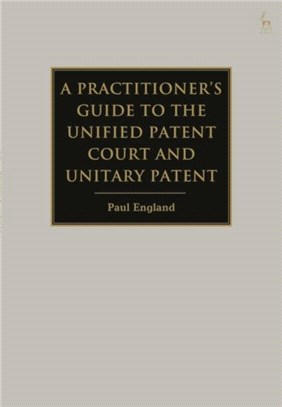
A Practitioner's Guide to the Unified Patent Court and Unitary Patent provides practical and detailed advice on all aspects of the system for those using it. The book explains how the UPC system works in the context of the wider European patent system, including the UK, and how parties can use it to enforce or revoke European patents and the Unitary Patent, in particular:- The procedures of the UPC from initiating proceedings to appeal, damages and costs hearings; - Rules on competence, substantive law, jurisdiction, language and judges; - The operation of the system alongside the national courts of the contracting countries, the European Patent Office opposition and appeal procedure, and parallel English Patents Court proceedings. The book is written for private practitioners and in-house counsel by a team of patent experts with many years of experience in patent litigation in France, Germany, the Netherlands, and the UK. It provides insights from national approaches to the features
優惠價:
9
7425
無庫存
若需訂購本書,請電洽客服 02-25006600[分機130、131]。
出版日:2021/11/11
作者:William Trower;
Adam Goodison;
Matthew Abraham;
Andrew Shaw
出版社:Bloomsbury Professional
裝訂:精裝
若需訂購本書,請電洽客服 02-25006600[分機130、131]。
90 折
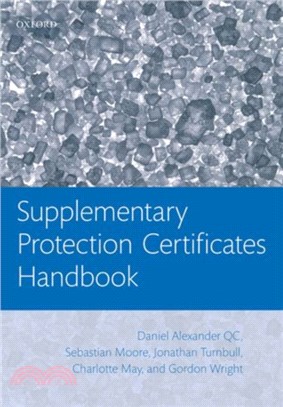
Highlighting the various issues and uncertainties in the Supplementary Protection Certificates Regulations, this book provides a comprehensive, practical commentary on this legislation, enabling pract
若需訂購本書,請電洽客服 02-25006600[分機130、131]。
若需訂購本書,請電洽客服 02-25006600[分機130、131]。
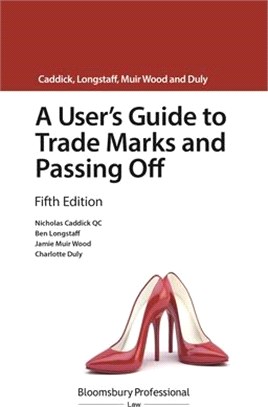
出版日:2021/06/10
作者:Nicholas Caddick;
Ben Longstaff;
Jamie Muir Wood
出版社:Bloomsbury Professional
裝訂:平裝
若需訂購本書,請電洽客服 02-25006600[分機130、131]。
滿額折
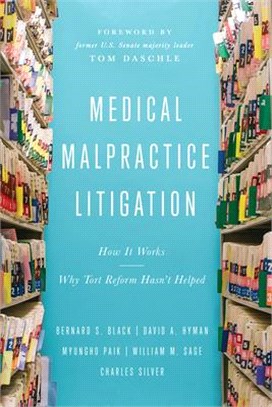
出版日:2021/04/07
作者:David A. Hyman;
Bernard S. Black;
Myungho S. Paik;
William M. Sage;
Charles Silver
出版社:Cato Inst
裝訂:精裝
優惠價:
1
1123
無庫存

滿額折
優惠價:
1
1520
無庫存
滿額折
優惠價:
1
1520
無庫存

滿額折
滿額折
優惠價:
1
1900
無庫存

滿額折
優惠價:
1
1140
無庫存
90 折
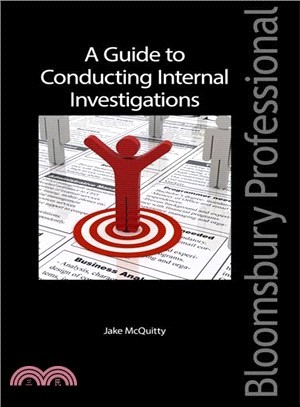
Internal investigations can be undertaken by a company or firm as a precursor to anticipated regulatory action, or for many other reasons. This title explains what a good regulatory investigation look
優惠價:
9
4680
無庫存
滿額折
優惠價:
79
660
無庫存
滿額折
90 折
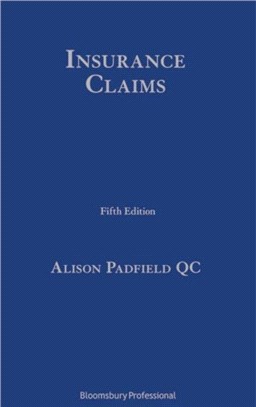
A practitioners’ text providing a summary of the law as it relates to insurance claims, including claims against insurers and insurance brokers. It is aimed at those involved in the application of the
優惠價:
9
10530
無庫存

滿額折
優惠價:
1
834
無庫存
90 折
若需訂購本書,請電洽客服 02-25006600[分機130、131]。
90 折
優惠價:
9
2267
無庫存
90 折
若需訂購本書,請電洽客服 02-25006600[分機130、131]。

優惠價:
1
2580
無庫存
滿額折
優惠價:
1
1900
無庫存
90 折
若需訂購本書,請電洽客服 02-25006600[分機130、131]。
90 折
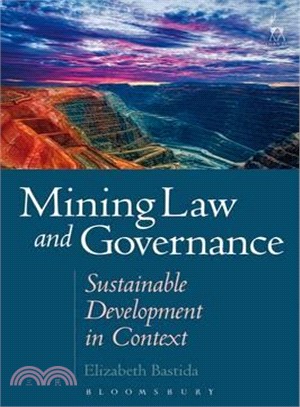
This book explores a disciplinary matrix for the study of the law and governance concerning mining and minerals from a global perspective. The book considers the key challenges of achieving the goals
優惠價:
9
5355
無庫存

90 折
Property enhances autonomy for most people, but not for all. Because it both empowers and disables, property requires constant vigilance. A Liberal Theory of Property addresses key questions: how can property be justified? What core values should property law advance, and how do those values interrelate? How is a liberal state obligated to act when shaping property law? In a liberal polity, the primary commitment to individual autonomy dominates the justification of property, founding it on three pillars: carefully delineated private authority, structural (but not value) pluralism, and relational justice. A genuinely liberal property law meets the legitimacy challenge confronting property by expanding people's opportunities for individual and collective self-determination while carefully restricting their options of interpersonal domination. The book shows how the three pillars of liberal property account for core features of existing property systems, provide a normative vocabulary fo
若需訂購本書,請電洽客服 02-25006600[分機130、131]。

若需訂購本書,請電洽客服 02-25006600[分機130、131]。

優惠價:
1
1200
無庫存
滿額折
優惠價:
1
1140
無庫存

滿額折
優惠價:
1
1252
無庫存
滿額折
優惠價:
1
1900
無庫存

若需訂購本書,請電洽客服 02-25006600[分機130、131]。

滿額折
優惠價:
1
2900
無庫存

若需訂購本書,請電洽客服 02-25006600[分機130、131]。
若需訂購本書,請電洽客服 02-25006600[分機130、131]。

優惠價:
1
2148
無庫存
若需訂購本書,請電洽客服 02-25006600[分機130、131]。
若需訂購本書,請電洽客服 02-25006600[分機130、131]。

若需訂購本書,請電洽客服 02-25006600[分機130、131]。

若需訂購本書,請電洽客服 02-25006600[分機130、131]。
滿額折
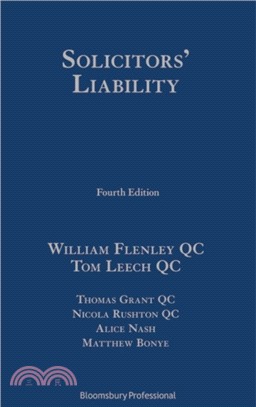
The Law of Solicitors' Liabilities, previously known as Solicitors' Negligence and Liability, provides a comprehensive guide to all aspects of solicitors' negligence, liability in equity and wasted co
優惠價:
9
8910
無庫存