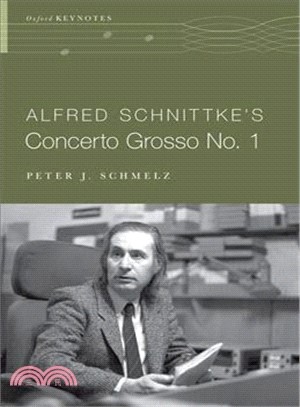
Concerto Grosso no. 1 is one of Alfred Schnittke's best-known and most compelling works, sounding the surface of late Soviet life while resonating with contemporary compositional currents around the w
Concerto Grosso no. 1 is one of Alfred Schnittke's best-known and most compelling works, sounding the surface of late Soviet life while resonating with contemporary compositional currents around the w
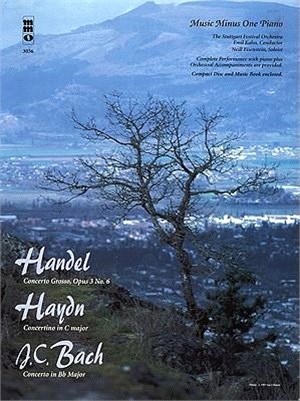
(Music Minus One). Handel's concerti grossi are considered the epitome of the baroque concerto form. And this lively example is no exception. A delight! Haydn's Concertino is cast in three short movem
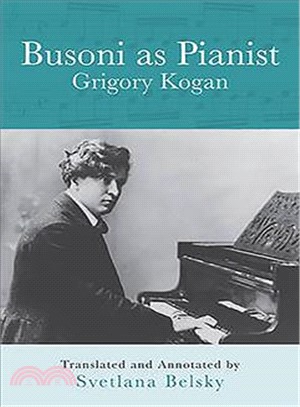
The composer Ferruccio Busoni is most widely known today as the composer of such works as the Second Violin Sonata, the incidental music for Gozzi's Turandot, and the most monumental piano concerto in
Paul Paradise has selected eight of Arcangelo Corelli's twelve Concerti Grossi and combined the concertino parts with the concerto grosso parts, edited the bowings, and added fingerings. Now these mas
Paul Paradise has selected eight of Arcangelo Corelli's twelve Concerti Grossi and combined the concertino parts with the concerto grosso parts, edited the bowings, and added fingerings. Now these mas
Experiencing the Violin Concerto explores the violin concerto from Vivaldi's "Four Seasons" to Bartók and beyond, the social and personal histories of unforgettable virtuosi, the wonderful i
(Boosey & Hawkes Scores/Books). Lindberg's writing in this concerto has been compared to that of the Sibelius violin concerto. Since the premiere in 2006 by Lisa Batiashvili the work has estab
Study ScoreWritten between 1953 and 1955, this concerto may be seen as both amid-20th-century commentary upon, and a reaction against, the former heroic and percussive concerto types. Its initial insp
A violin and piano arrangement of the Philip Glass Violin Concerto, with the piano reduction by Charles Abramovich. The original concerto for Violin and Orchestra was commissioned by the American Comp
Michael Roeder's A History of the Concerto traces the concerto from its origins in the sixteenth and seventeenth centuries to its incarnation in the present.Basic to the concerto idea is the division
Two great concertos in a single edition: the Tchaikovsky Piano Concerto No. 1 in B-flat Minor, Op. 23, and the Rachmaninoff Piano Concerto No. 2 in C Minor, Op. 18. Each concerto is accompanied by an
(Educational Piano Library). Perfect for the early intermediate level student, this "junior" concerto by Eugenie Rocherolle is destined to become a staple of the student concerto rep