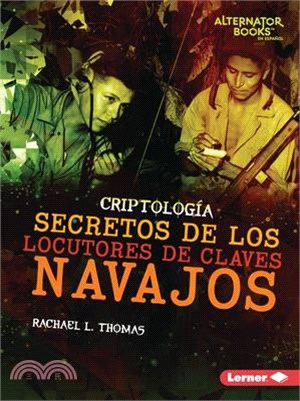
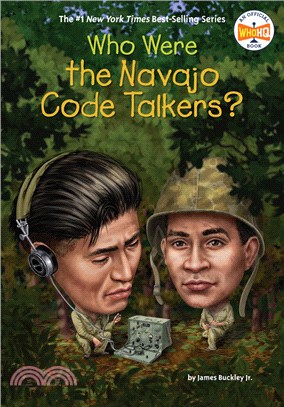
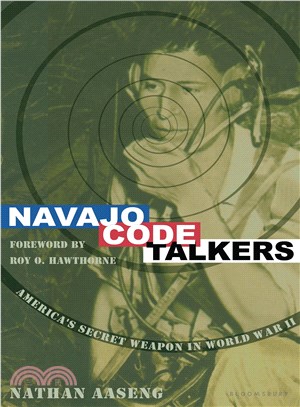
Learn how this heroic group of American Indian men created a secret, unbreakable code and helped the US win major battles during World War II. By the time the United States joined the Second World War
*Includes pictures*Includes footnotes, online resources and a bibliography for further reading*Includes a table of contentsOne of World War II’s most crucial struggles happened in the realm of the uns
During World War II, the Japanese military cracked the codes used by the American Army and Navy, but never the Marines.A What made the Marines' code different?A They used Navajo Code Talkers, speciall
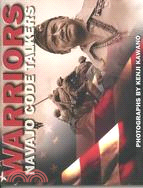
It started with a newspaper article and a knock on the door. Sally McClain recounts how her path became unexpectedly entwined with that of the Code Talkers, Navajo veterans of World War II. The code t
On February 23, 1945, U.S. Marines claimed victory in the battle of Iwo Jima, one of the most important battles in the Pacific islands during World War II. Instrumental to this defeat of Japanese for
Describes the use of the Navajo language in World War II, discussing why it was used, how the code was developed, and the Native Americans who bravely fought for the United States.
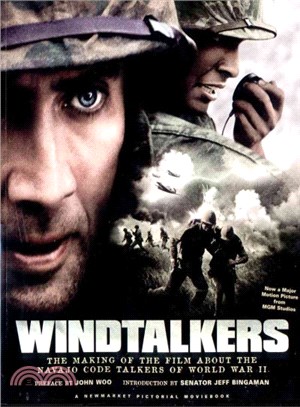
Describes the film about the Navajo code talkers of World War II, and provides background information on the unbreakable military code based on the Navajo language and the marines who took part in the
With more than 100 dramatic movie and historical photos, the official tie-in to the film starring Nicolas Cage, based on real events about the Navajo Marine code talkers, who developed the only Americ
On the Pacific front during World War II, strange messages were picked up by American and Japanese forces on land and at sea. The messages were totally unintelligible to everyone except a small select
The American offensive in the Pacific during World War II [was] hampered by the Japanese ability to crack the most secret U.S. Codes. Navajo was virtually unknown outside the reservations, ... and [th
Written and illustrated by Native Americans from various tribal nations, these comics detail the deep emotions of leaving one’s homeland to fight in a war far away, the comfort and benefit in finding
"The author's great-uncle John Bear King was a Sioux Indian in the First Cavalry in the Second World War. Her book follows seven Sioux who put aside a long history of prejudice against their people an
Among the allied troops that came ashore in Normandy on D-Day, June 6, 1944, were thirteen Comanches in the 4th Infantry Division, 4th Signal Company. Under German fire they laid communications lines
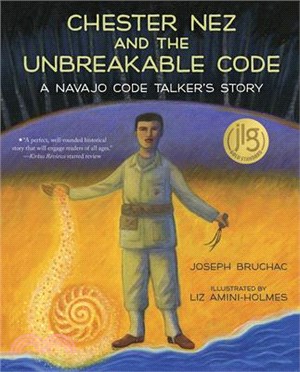
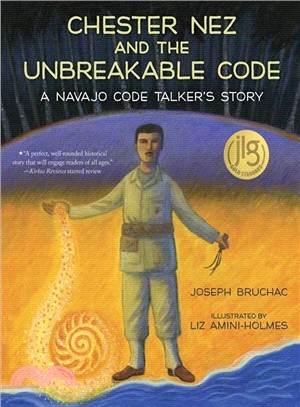
As a young Navajo boy, Chester Nez had to leave the reservation and attend boarding school, where he was taught that his native language and culture were useless. But Chester refused to give up his he
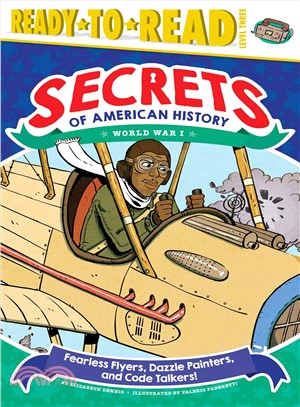
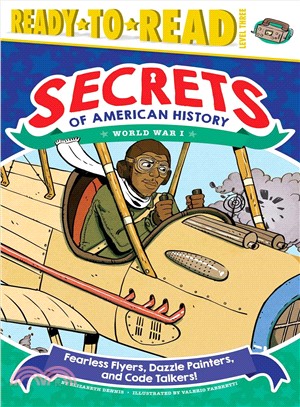
Discover the thrilling side of the history of World War I in this fact-tastic, nonfiction Level 3 Ready-to-Read, part of a new series about the secrets of American History!Do you know about the advent
Discover the thrilling side of the history of World War I in this fact-tastic, nonfiction Level 3 Ready-to-Read, part of a new series about the secrets of American History!Do you know about the advent
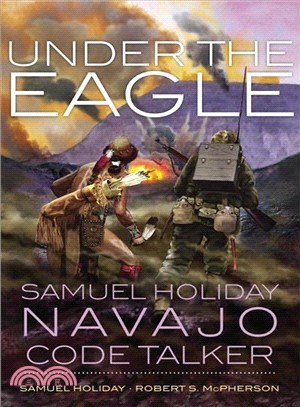
Samuel Holiday was one of a small group of Navajo men enlisted by the Marine Corps during World War II to use their native language to transmit secret communications on the battlefield. Based on exten
Throughout World War II, in the conflict fought against Japan, Navajo code talkers were a crucial part of the U.S. effort, sending messages back and forth in an unbreakable code that used their native
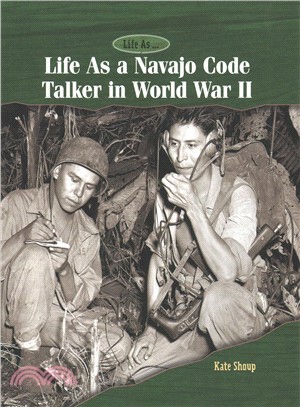
During World War II U.S. forces had to keep battle plans and other top secret information out of the enemy's hands. Coded messages were often used, but secret codes could be broken. To solve this prob
*Includes pictures*Includes footnotes, online resources and a bibliography for further reading*Includes a table of contentsOne of World War II’s most crucial struggles happened in the realm of the uns