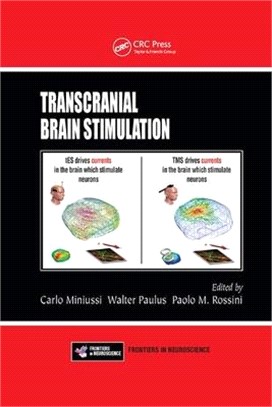
Transcranial stimulation encompasses noninvasive methods that transmit physical fields-such as magnetic, electric, ultrasound, and light-to the brain to modulate its function. The most widespread approach, transcranial magnetic stimulation (TMS), has emerged as an important tool in several areas of neuroscience as well as in clinical applications in psychiatry and neurology. Originally envisioned as a way to measure the responsiveness and conduction speed of neurons and synapses in the brain and spinal cord, TMS has also become an important tool for changing the activity of brain neurons and the functions they subserve as well as an causal adjunct to brain imaging and mapping techniques. Along with transcranial electrical stimulation techniques, TMS has diffused far beyond the borders of clinical neurophysiology and into cognitive, perceptual, behavioural, and therapeutic investigation and attracted a highly diverse group of users and would-be users. Another major success of TMS has be
若需訂購本書,請電洽客服 02-25006600[分機130、131]。