出版日:2022/09/20
作者:吳亮衡
出版社:時報文化
裝訂:平裝
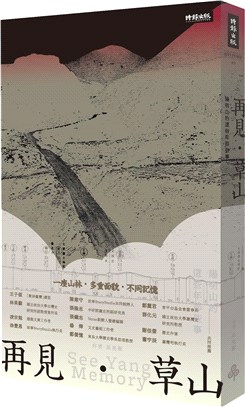
從土匪戰官兵到政權轉移變局﹐從賞花泡溫泉到政治勢力據點﹐ 關於人與空間、空間與記憶的歷史故事。 陽明山(或舊稱草山)以大屯火山群的火山地形著稱,受地形影響而生成的自然景觀深受民眾歡迎,週邊溫泉設施更是一大特色﹐使其成為許多人熱愛的休閒樂園;平日遊客絡繹不絕前來,而每年花季時前來賞花的旅客更是將近百萬人次。 除自然景觀之外,這片山林隨著時勢政局的更迭也是政治權力的據點,這裡曾留有日本皇太子巡視的足跡,戰後更建有國家領袖的居所、辦公室,以及培養黨政軍幹部的「革命實踐研究院」,甚至是美﹑日各國政﹑軍人員來台駐居的區域。 《再見‧草山:陽明山的這些年那些事》作者吳亮衡在某次訪談中觸發好奇心,開始思考這座山林的空間建構與歷史記憶,發現同樣的一座山林在不同世代的記憶中存在著多重面貌。為了瞭解這些不同的記憶、避免時空錯置的偏差,他從能蒐集到的歷史資料和實地探訪人﹑物中重新爬梳、整理各個時期的草山記事。 從日本時代的開拓、建設,50年代呼應國家情勢變成政治力的所在,如今再次以提供休閒娛樂功能為人熟知,這座山林堆疊著層層歷史記憶。透過作者對史料紀錄的整理,讀者可以看到這座大家以為所熟知的山林中,不只有自然景觀、生物紀錄,還有許許多多曾經來過、建設過、居住過的人們所遺留下的歷史故事。 推薦序:「每個人的書寫都反映他或她的個性﹐而亮衡寫出了一本屬於自己的歷史之書。」--涂豐恩(故事StoryStudio執行長) 「…他(吳亮衡)長期筆耕北投和陽明山的歷史,不僅在『故事Story Studio』上有專欄披露研究心得,更有導覽北投和陽明山的實體活動經驗,如今出版這本新書,可視為是他過去研究的總結。」--陳建守(故事StoryStudio共同創辨人)推薦人:王子碩(「聚珍臺灣」總監) 林果顯(國立政治大學台灣史研究所副教授兼所長)凌宗魁 (建築文資工作者) 張隆志(中研院臺史所副研究員) 張鐵志(Verse創辦人暨總編輯) 楊燁(文史藝術工作者)鄭螢憶(東吳大學歷史學系助理教授)鄭麗君(青平台基金會董事長)薛化元(國立政治大學臺灣史研究所教授)謝佳螢(歷史作家)蕭宇辰(臺灣吧執行長)
優惠:三民書局73週年慶-單79雙75
優惠價:
79
284