In the wake of the Balkan wars, the EU has worked hard to close the so-called 'capabilities-expectations gap' in the European Security and Defence Policy (ESDP). With the institution of new political
Introduction to Medieval Europe 300-1500 provides a comprehensive survey of this complex and varied formative period of European history. Covering themes as diverse as barbarian migrations, the impact
Introduction to Medieval Europe 300-1500 provides a comprehensive survey of this complex and varied formative period of European history. Covering themes as diverse as barbarian migrations, the impact
Clearly written in a lively style by two prominent authors in the field, this translation of a comprehensive textbook is an excellent survey history of the Middle Ages.
Surveying the years between 300 and 1550, this outstanding textbook brings a long, complex and varied period of European history vividly to life.Covering themes as diverse as barbarian migrations, the
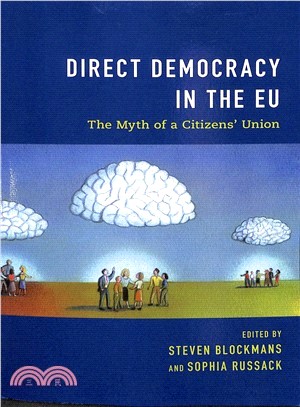
This book is concerned with the two-pronged question of how the relationship between citizens, the state and EU institutions has changed, and how direct democratic participation can be improved in a m
This book is concerned with the two-pronged question of how the relationship between citizens, the state and EU institutions has changed, and how direct democratic participation can be improved in a m
For years the European Union has been looked on as a potential model for cosmopolitan governance, and enjoyed considerable influence on the global stage. The EU has a uniquely strong and legally bindi
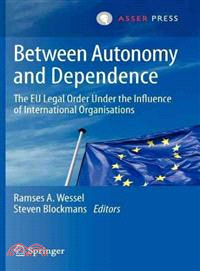
The European Union is traditionally seen as a new and partly separate legal order within the global legal system. At the same time, the EU is an important player in the global governance network. The
With a Foreword by Catherine Ashton, High Representative of the Union for Foreign Affairs and Security Policy/Vice-President of the European Commission. Like conflict prevention and crisis management,
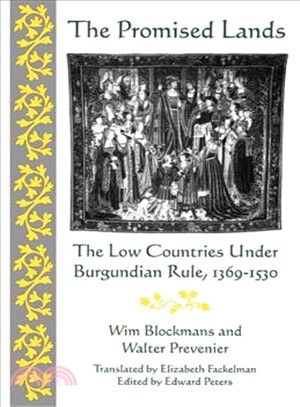
They were, in the words of one contemporary observer, "the Promised Lands." In all of Europe, only Northern Italy could rival the economic power and cultural wealth of the Low Countries in the later M
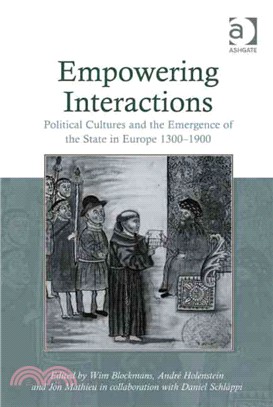
The emergence of the state in Europe is a topic that has engaged historians since the establishment of the discipline of history. Yet the primary focus of has nearly always been to take a top-down app
In 2004, ten countries joined the European Union as Member States and five others (Bulgaria, Croatia, Romania, Serbia and Montenegro, and Turkey) had or received (pre-)candidate country status. EU acc