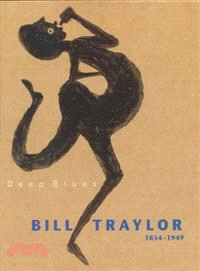
Bill Traylor has become an almost mythical figure in the history of American folk art. Born into slavery in 1854, he only began to draw at the age of 82 in 1939, when he moved from the plantation wher
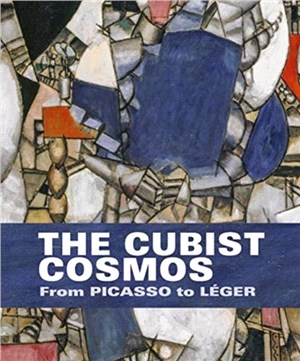
The Cubist Cosmos traces the development of Cubism between 1907 and 1917. The publication reveals the boundless innovative power of the works of Pablo Picasso and Georges Braque. It also shows how the
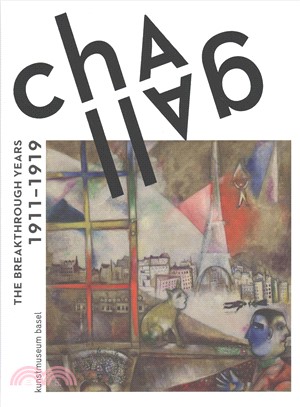
Chagall’s creative breakthrough came at a time when his life was torn between contrasting experiences. Chagall lived in Paris from 1911 until 1914, creating paintings that combined his recollections
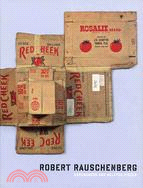
Robert Rauschenberg (b. 1925) began to investigate the boundaries between painting and sculpture in the 1950s, working with a variety of found objects in his Combine paintings and freestanding Combine
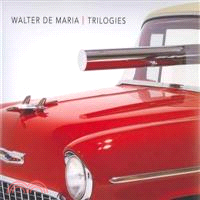
American artist Walter De Maria is associated with Minimal, conceptual, installation, and land art. He is best known for The Lightning Field, 1977, a long-term installation in western New Mexico made
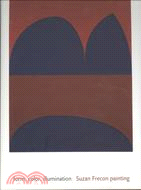
This is the first major exploration of the works of American abstract?painter and watercolorist?Suzan Frecon (b. 1941), critically acclaimed for her sensitive arrangement of color, form, and texture,
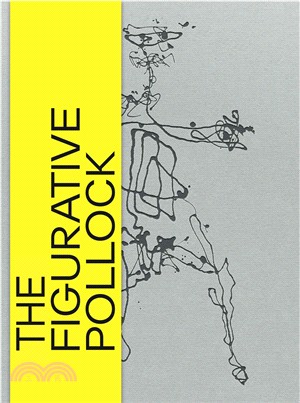
This beautiful book focuses on the distinctive and expressive power of Jackson Pollock's figurative paintings, drawings, and prints; a rarely studied aspect of his artistic career.
560 Broadway is the first book to explore one of this country’s most remarkable private collections of modern and contemporary American drawings. Featuring such artists as Sol LeWitt, Mel Bochner, Jas
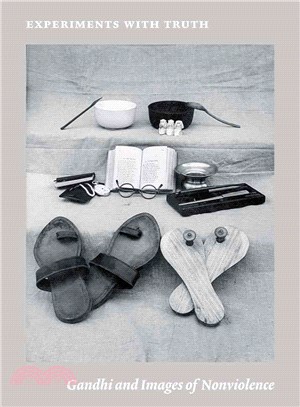
This fascinating book introduces and explores the resonance of Gandhi’s (1869?1948) ethics of nonviolence in the visual arts. Taking the form of a reader, the texts range across influences on Gandhian
This lavishly illustrated book is the first to examine the significant contributions of John and Dominique de Menil to art, architecture, film, and the civil and human rights movements. The de Menils,
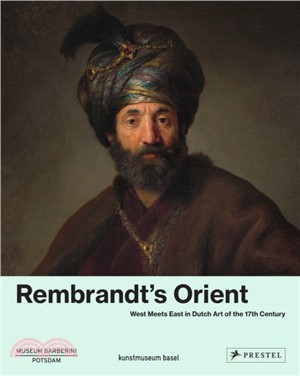
In the 17th century, Amsterdam was a vibrant hub of the burgeoning European trade with Asia, Africa, and the Levant, importing copious amounts of foreign items that powerfully stimulated the imaginati