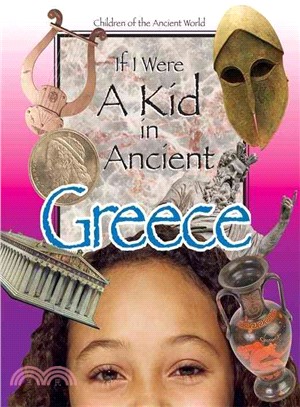
Reminders of Greek culture are everywhere evident today, from bubblegum to plays (Greeks invented both). But what was ancient Greece like for children? As this book explains, youngsters were well edu
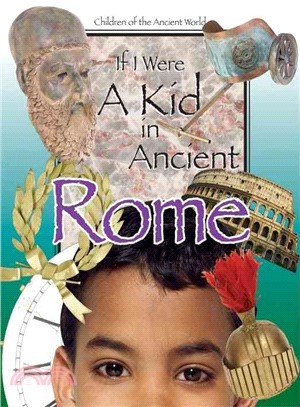
Life for youngsters in ancient Rome was both different and similar to today. There were schools, but only wealthy children attended them. There were pets, but monkeys and magpies were popular as well
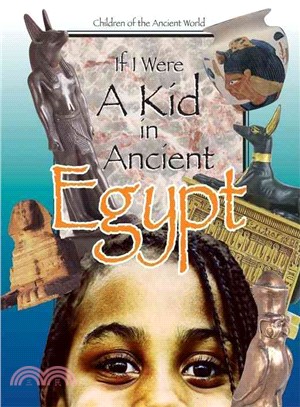
Ancient Egypt is one of the most evocative cultures for young readers. This book shows them what their lives would have been like there. There was no school, since most people couldn’t read or

A comprehensive collection of essays from leading experts on family and community engagementThe Wiley Handbook of Family, School, and Community Relationships in Educationbrings together in one compreh
This account of Thomas Sheridan's career as theater manager has been based on biographies written by his contemporaries, on 18th-century newspapers and pamphlets, and on letters written to and by Sher
Confrontations brings, together in one volume six essays by the distinguished critic René Wellek. Five have been previously published but are now practically unobtainable; one, "German and Englis
Each of E. M. Forster's five novels-The Longest journey, Where Angels Fear to Tread, Room with a View. Howards End, andA Passage to India-is here analyzed within the framework of Forster's cultural he
What if we could create life from chemicals? What if we could reduce love to molecules, regrow new hearts from skin cells, or regrow new humans from cuttings, like plants? What if we could resurrect o
This first book to focus on catalytic processes from the viewpoint of green chemistry presents every important aspect: Numerous catalytic reductions and oxidations methods Solid-acid and solid-base
Corporate giving currently accounts for nearly 10 percent of all charitable donations nationwide, and most experts agree that the flow of corporate resources earmarked for nonprofit programs is on the