This new study explores how evangelicalism played a vital role in the development of the Victorian novel. In contrast to those who see the evangelical movement as trivial to our histories of the novel
Jim Anderson is Senior Lecturer in Languages in Education in the Department of Educational Studies at Goldsmiths, University of London. Vicky Macleroy is Lecturer in Secondary English with media and
Religion has always been an integral part of the literary tradition: many canonical and non-canonical texts engage extensively with religious ideas, and the development of English Lit
In what Knight (English literature, Roehampton U., UK) describes as a "series of snapshots," he explores the meanings that can be found in literature by applying a (primarily Christian) religious lens
Recent scholarship in nineteenth-century literary studies consistently recognizes the profound importance of religion, even as it marginalizes the topic. There are few, if any, challenging yet manage
The study of religion and literature continues to go from strength to strength - this collection of essays offers a dynamic, lively and provocative contribution to the field and aims to map out new di
This important collection of essays offers a dynamic and provocative contribution to the study of religion and literature. Bringing together some of the leading voices in the field, the collection add
Samuel Taylor Coleridge's conception of "the willing suspension of disbelief" marks a pivotal moment in the history of literary theory. Returning to Coleridge's thought and Shakespeare criticism to re
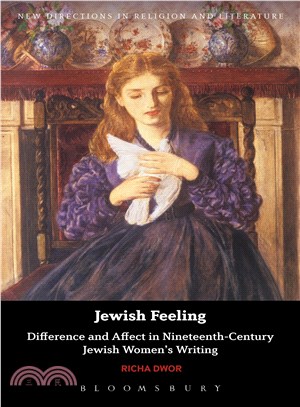
Jewish Feeling brings together affect theory and Jewish Studies to trace Jewish difference in literary works by nineteenth-century Anglo-Jewish authors. Dwor argues that midrash, a classical rabbinic
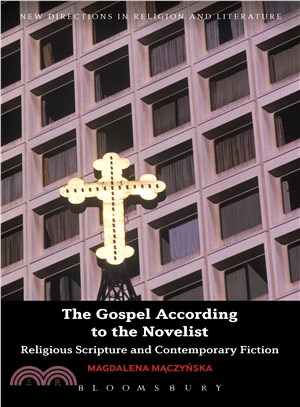
Why have so many prominent literary authors-from Philip Pullman and José Saramago to Michèle Roberts and Colm Tóibím-recently rewritten the canonical story of Jesus Christ? What does that say about ou
In this ambitious book, Michael D. Hurley explores how five great writers – William Blake, Alfred Tennyson, Christina Rossetti, Gerard Manley Hopkins, and T. S. Eliot – engaged their religious faith i
In this ambitious book, Michael D. Hurley explores how five great writers – William Blake, Alfred Tennyson, Christina Rossetti, Gerard Manley Hopkins, and T. S. Eliot – engaged their religious faith i
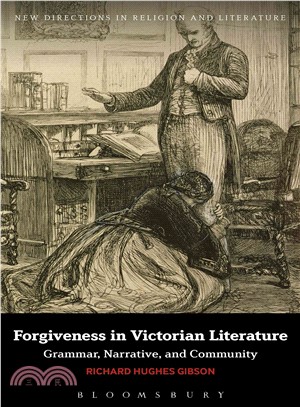
Forgiveness was a preoccupation of writers in the Victorian period, bridging literatures highbrow and low, sacred and secular. Yet if forgiveness represented a common value and language, literary scho
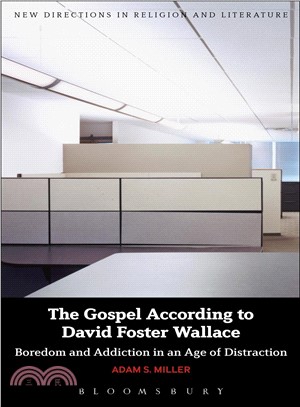
The Gospel According to David Foster Wallace is the first book to explore key religious themes - from boredom to addiction, and distraction - in the work of one of America's most celebrated contempora
The Gospel According to David Foster Wallace is the first book to explore key religious themes - from boredom to addiction, and distraction - in the work of one of America's most celebrated contempora
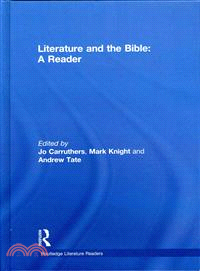
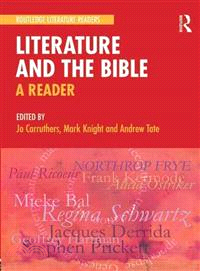
The western literary tradition has a long and complex relationship with the Jewish and Christian scriptures. Authors draw on the Bible in all sorts of ways and for different reasons, and there is also
The western literary tradition has a long and complex relationship with the Jewish and Christian scriptures. Authors draw on the Bible in all sorts of ways and for different reasons, and there is also
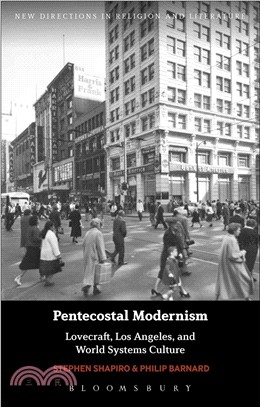
Bringing together new accounts of the pulp horror writings of H.P. Lovecraft and the rise of the popular early 20th-century religious movements of American Pentecostalism and Social Gospel, Pentecosta
Bringing together new accounts of the pulp horror writings of H.P. Lovecraft and the rise of the popular early 20th-century religious movements of American Pentecostalism and Social Gospel, Pentecosta
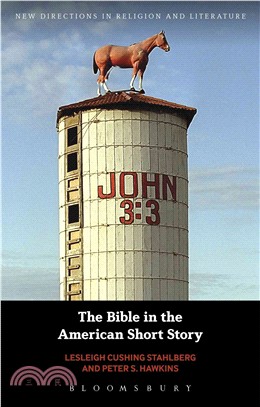
The Bible in the American Short Story examines Biblical influences in the post-World War II American short story. In a series of accessible chapters, Lesleigh Cushing Stahlberg and Peter S. Hawkins of
The Bible in the American Short Story examines Biblical influences in the post-World War II American short story. In a series of accessible chapters, Lesleigh Cushing Stahlberg and Peter S. Hawkins of