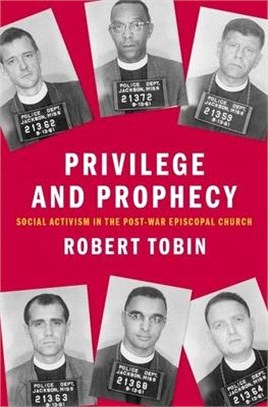
The Episcopal Church has long been regarded as the religion of choice among America's ruling elite, helping to set the tone for the moral and social life of the nation during the twentieth century. Shaped by their experiences of the Great Depression and World War II, a new generation ofEpiscopal leaders emerged after 1945, eager to place their church in the vanguard of social reform and reconciliation. These liberal activists came to dominate the church's national structures during the 1960s and shaped its response to the civil rights and anti-war movements. They sought toreposition the Episcopal Church as a catalyst for progressive change. Even so, these leaders routinely neglected black, female, and working-class Episcopalians, even as they espoused the causes of equality and liberation in the wider society. This study focuses on forms of social activism and theological innovation pursued by members of the war generation. Attending to the development of such activities among the WASP