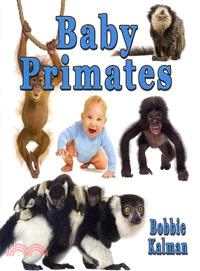
Young children will love this introduction to baby primates! Simple text and captivating photos inform young readers about these smart animals and the different groups to which they belong, including
Presents an introduction to the people of Japan, discussing marriage, family, childhood, homes, education, jobs, leisure activities, food, and social customs.
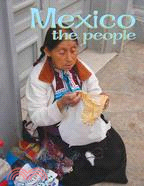
Presents an introduction to the people of Mexico, discussing marriage, family, childhood, clothing and costumes, education, village life, farms, hehoes, and icons.
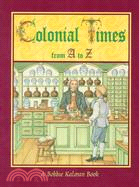
An alphabetical introduction to various aspects of life in the United States during the colonial period, including games, clothing, and special occasions
An alphabetical introduction to various aspects of the pioneer lifestyle in North America, including toys, clothing, school, home crafts, and special occasions
"The book starts with the stages of metamorphosis from egg to worm-like caterpillar to pupa, and finally, to a magnificent butterfly. It then introduces some caterpillars and butterflies and asks chi
"Animals live in many kinds of habitats, located in different parts of the world. This book compares and contrasts these habitats and encourages students to learn how animals have adapted to where the
Describes the difference between man-eating and plant-eating animals, the kinds of foods that they eat, and the different body parts they use to obtain food.
Describes the different ways in which animals change, from the growing process as they mature to adults to the need to protect themselves against predators.
Children will be intrigued by photographs of different kinds of rodentsfrom cute baby chipmunks to chubby capybaras. Easy-to-understand text explains in which habitats rodents live and how their babie
Children will find this book a lot of fun to write! After researching information about animal life, kids can pretend to interview animals about the foods they eat, the ways they move and hide, and th
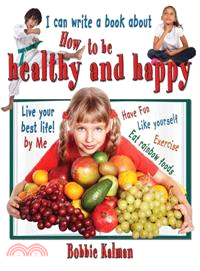
Writing this how-to book will motivate children to live healthier, happier lives. Children will learn how to eat a rainbow and be shown how to write healthy recipes for others to try. They can share h
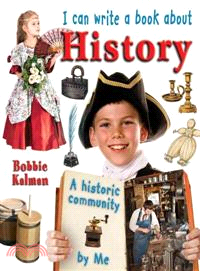
This fascinating book shows children what to include in a book about history. Children are shown how to create a book about an event in history or about social history, such as life in a colonial city
This fun book teaches children concepts, or big ideas, about butterflies, including metamorphosis, migration, symmetry, and pollination. Children are encouraged to draw their own butterflies, take pho
Baby animals must know how to stay alive. The most important things every baby needs to know is how to find food and how to avoid predators. Baby predators wrestle and fight each other as a way of lea
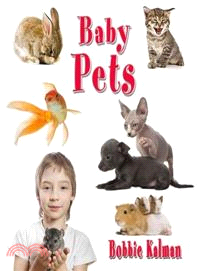
This fun book looks at baby pets that include puppies, kittens, guinea pigs, bunnies, and hamsters and how to care for these young animals. Diet, exercise, medical care, and the equipment needed to lo
Camouflage is blending into a natural environment, but mimicry is pretending to be another living thing to survive. Amazing photographs highlight this indepth look at the masters of mimicry who use sh
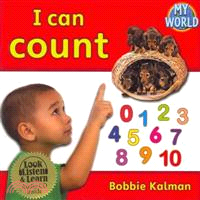
One dog in a teacup, two caterpillars on a leaf, three horses having a conversation Fun photographs and simple repetitive text help introduce young readers to counting numbers from zero to ten. Strong
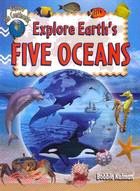
Shows how the world's five oceans--Pacific, Atlantic, Indian, Southern, and Arctic--are interconnected and why they are vitally important to the rest of Earth.
Explains that animals hide to avoid being eaten or to catch their dinner, and discusses camouflage, mimicry, and other methods animals use to protect themselves.
Shows the remarkable abilities of plants and animals from harnessing the sun's energy to make food, to making oxygen from carbon dioxide, to building structures that are air-conditioned.
Explains that animals hide to avoid being eaten or to catch their dinner, and discusses camouflage, mimicry, and other methods animals use to protect themselves.