With reflective clouds, Venus appears to be the brightest planet in the night sky. Young students will read about the discovery of Venus, its harsh environment, and the ways it has been explored.
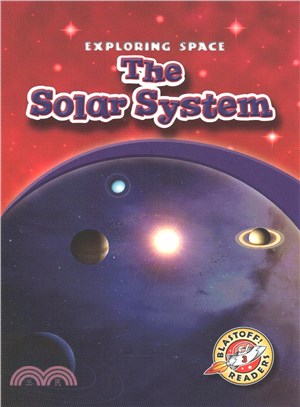
The solar system is made up of planets, moons, asteroids, comets, meteoroids, and more. Young readers will learn about the bodies that make up the solar system and how they interact with each other.
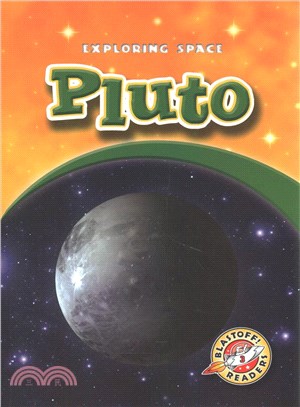
Pluto is a dwarf planet with three known moons—Hydra, Nix, and Charon. Children will explore Pluto’s physical features, its position in the solar system, and why it is no longer considered a planet.
These unique insects get their name from the position in which they hold their front legs together. These legs are also “preying” as they shoot out and grab insects for the mantis to eat. Students wil
Take a trip to “The Land Down Under” and discover all of the unusual wildlife inhabiting the Outback! There are kangaroos, wild dogs called dingoes, and nearly 700 types of birds in Australia. This ti
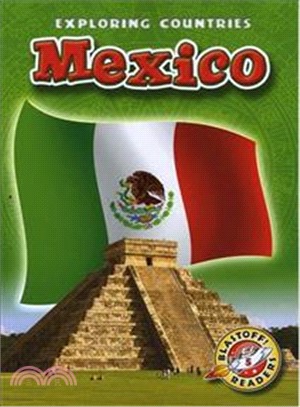
Mexico has almost 6,000 miles of coastline. It borders both the Atlantic and the Pacific Oceans. Readers will discover the diverse physical features of Mexico, the variety of wildlife it boasts on lan
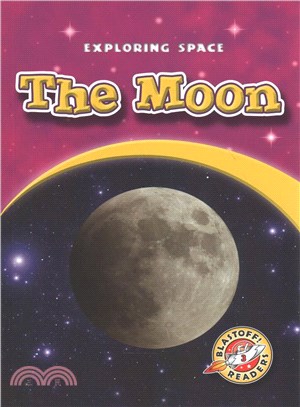
The moon is the largest object in the night sky. Young readers will learn about the moon’s phases, surface, and how humans have explored our closest space neighbor.
The sun radiates light, heat, and energy at the center of the solar system. Eager students will explore how the sun works and its relationship to Earth and the other planets.
The planet Uranus has a bright blue-green color because of methane gas in its atmosphere. Young children will learn about the discovery of Uranus, how it has been explored, and why it is tilted on its
Space shuttles bring astronauts into and out of space. Children will learn about the history of space shuttles, the advanced technology aboard, and how these vehicles perform their missions.
Astronauts live and work on space stations that orbit Earth. Young readers will read about space station parts, the first space stations, and the International Space Station.
People must go through difficult training to become astronauts. Kids will learn how astronauts prepare for life in space, complete their missions, and survive above the atmosphere.
America’s northern neighbor, Canada, is similar to the United States in many ways but also very different. Kids will learn about Canada’s diverse wildlife as well as some of its biggest cities such as
A squid has two gigantic eyes to see in dark places, eights arms for holding food, and a funnel for swimming! Young readers will get sucked in as they discover how squids eat, swim, and escape predato
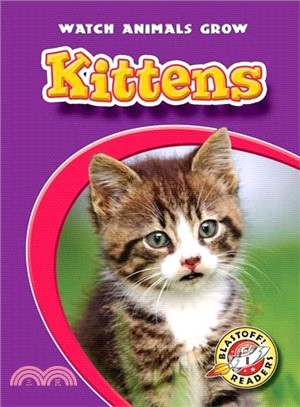
After birth, it takes a kitten between seven and ten days to open its eyes. Soon after this, kittens develop quickly into very playful animals. Eager readers will see what kittens eat and how they pla
Brazil is the largest country in South America and the fifth largest and most populated country in the world. The Amazon Rainforest in Brazil has the greatest biological diversity of any ecosystem on
Penguins must complete their life cycle in very cold temperatures. To protect their eggs from the cold, penguins use brood patches. Students will watch a penguin chick hatch from an egg and grow into
Coral reefs are found in tropical waters and host a variety of ocean life. Young readers will learn about how they form over time, the different ways they form, and the creatures that call coral reefs
A country of open fields, Ireland is known for its agriculture. It is also known for its unique step dancing and St. Patrick’s Day celebrations. This book teaches children about life in a country of l