Addresses key political issues from religion and political correctness to taxes and global warming while denouncing current administrative agendas and explaining why he has abandoned his liberal views
David Mamet's interest in anti-Semitism is not limited to the modern face of an ancient hatred but encompasses as well the ways in which many Jews have internalized that hatred. Using the metaphor of
It's November in a presidential election year, and incumbent Charles Smith's chances for reelection are looking grim. Approval ratings are down, his money's running out, and nuclear war might be immi
Part of the Jewish Encounter seriesAs might be expected from this fiercely provocative writer, David Mamet’s interest in anti-Semitism is not limited to the modern face of an ancient hatred but encomp
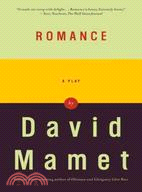
Pulitzer Prize-winning playwright David Mamet's Romance is a take-no-prisoners courtroom comedy that gleefully lampoons everyone from lawyers and judges, to Arabs and Jews, to gays and chiropractors.I
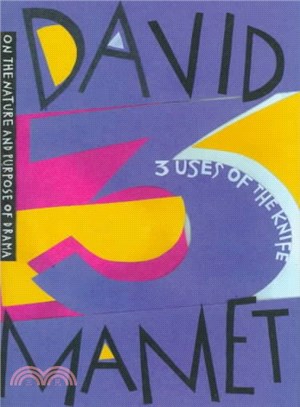
What makes good drama? How does drama matter in our lives? In Three Uses of the Knife, one of America's most respected writers reminds us of the secret powers of the play. Pulitzer Prize-winning playw
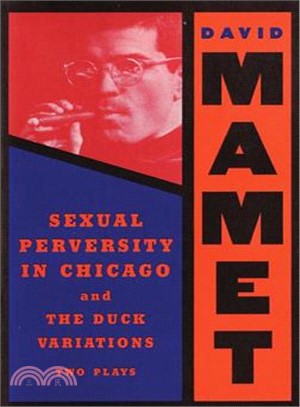
The Duck Variations is a dialogue between two old men sitting on a park bench. The conversation turns to the mating habits of ducks, but soon begins to reveal their feelings about natural law, friend
Winner of the 1984 Pulitzer Prize, David Mamet's scalding comedy is about small-time, cutthroat real esate salesmen trying to grind out a living by pushing plots of land on reluctant buyers in a neve
Calling on his unique perspective as playwright, screenwriter, and director of his own critically acclaimed movies, House of Games and Things Change, David Mamet illuminates how a film comes to be. H
House of Games is a psychological thriller in which a young woman psychiatrist falls prey to an elaborate and ingenious con game by one of her patients who entraps her in a series of criminal escapad
If theatre were a religion, explains David Mamet in his opening chapter, many of the observations and suggestions in this book might be heretical.” As always, Mamet delivers on his promis