Presents information about the grain group of the USDA Food Guide Pyramid, describing types of grains, their preparation, nutritional value, and recipes.
Presents information on the fruit group of the USDA Food Guide Pyramid, and describes different fruits, how they are grown and served, their nutritional value, and recipes.
Presents information about the meat and protein food group of the USDA Food Guide Pyramid, describing different sources of protein, their preparation, nutritional value, and recipes.
Presents information on the importance of the vegetables food group of the USDA Food Guide Pyramid, describing different vegetables, how they are grown and prepared, their nutritional value, and recip
Presents information about the grain group of the USDA Food Guide Pyramid, describing types of grains, their preparation, nutritional value, and recipes.
Presents information on the fruit group of the USDA Food Guide Pyramid, and describes different fruits, how they are grown and served, their nutritional value, and recipes.
Presents information about the meat and protein food group of the USDA Food Guide Pyramid, describing different sources of protein, their preparation, nutritional value, and recipes.
Presents information on the importance of the vegetables food group of the USDA Food Guide Pyramid, describing different vegetables, how they are grown and prepared, their nutritional value, and recip
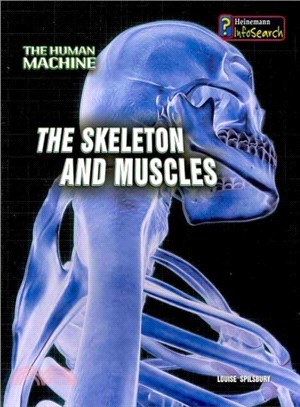
Describes the musculoskeletal system in a human's body, including information on the physical properties of bones and how muscles and bones work together to make the body move and function.
"What is cartilage? Why do we have joints? How does exercise help bones and muscles? The Human Machine asks the questions that young people want answered. Each chapter contains a different question, s
This brightly coloured, illustrated title explains to children about body privacy and why private parts should be kept private. Children will learn that their body belongs to them and they can say 'no
Presents a history of light, noting such scientists as Empedocles, Isaac Newton, and Thomas Edison, and discussing such topics as refraction, telescopes, electronic light, and lasers.
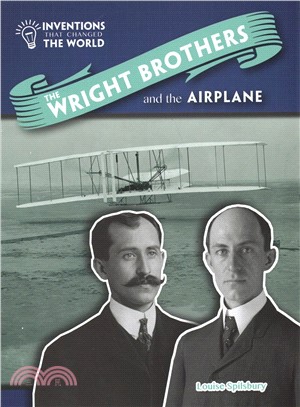
The Wright Brothers took to the sky over a hundred years ago to prove that people could fly. Readers will enjoy reading about the Wright brothers as they developed the airplane. The book follows the b
Swimming is a fun but dangerous activity. Lifeguards help us stay safe while having fun, thanks to their special life-saving skills and first-aid training. Readers learn about these community heroes a
Why do astronauts feel heavy after take-off? Why are rockets long and thin? How do spacecraft orbit Earth? Covering lots of different aspects of space exploration, including looking at how spacecraft
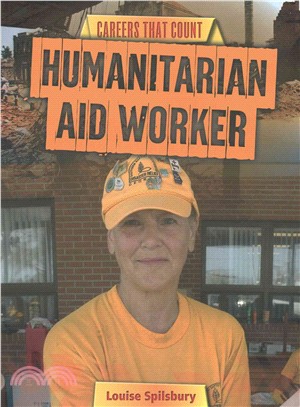
Humanitarian aid workers dedicate their lives to helping people in need. They bring medicine, emergency supplies, and other kinds of disaster relief to countries affected by war, natural disasters, an
"This book looks at how shadows are created. - Test which materials block light (are opaque), let some light through (are translucent), and let most light through (are transparent). - Look at how you
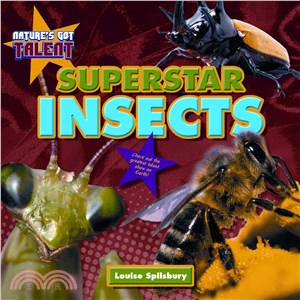
Not only are Froghoppers capable of concealing themselves within in a blanket of their own bubbly spit, they can also jump 14 times their body length. That’s the equivalent of a human jumping over a s
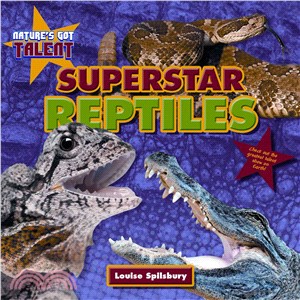
Its ability to change colors is the first thing most people think of when it comes to chameleons. But did you know that a chameleon’s eyes can swivel independently of each other to look in two directi
All birds lay eggs, have feathers, and are warm-blooded. But even though they have these characteristics in common, birds are incredibly diverse in appearance, behaviors, and unique abilities. Giant w
Presents information about community gardens, looking at what they are, their history, reasons why people create them, how people use them, and how they are organized.