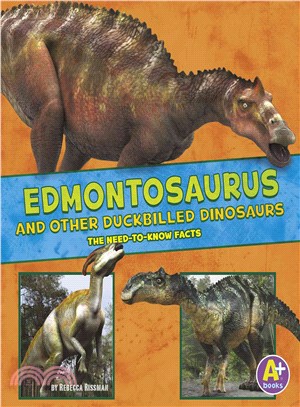
Edmontosaurus and other duckbilled dinosaurs had beaks and strong teeth to eat tough plants. Many of these plant-eaters could communicate with other dinosaurs using the crests on their heads. Bold, fu
It's a dance, dance, evolution! Get to know the plie, arabesque, and other basic steps, and see how ballet has changed over the years. From Anna Pavlova to Mikhail Baryshnikov to Misty Copeland, disco
Get up and dance! Get to know the steps, performances, and dancers who added their signature style to tap dancing. From Fred Astaire to Savion Glover to Chloe Arnold, Today's Tap Dancing: Beyond Tap S
Documents the pivotal but lesser-known contributions of four African-American mathematicians who made it possible for the U.S. to launch rockets and astronauts into space, tracing their respective sto
Presents the basics of the game of softball, describing its player positions and the mechanics of batting, pitching, base running, bunting, catching a fly ball, and throwing from the outfield.
Presents the basics of the game of basketball, describing its five player positions and the mechanics of dribbling, passing, jump shots, layup, defensive play, and rebounding.
Describes the 2011 earthquake and tsunami that devastated areas of Japan, detailing what caused the earthquake and tsunami, the people who were affected by the disaster, and the worldwide effort to re
"MyPlate reminds readers to eat a healthy, balanced diet. This title discusses what the breakdown of food groups is and shows that individual needs vary from person to person. Readers will ge
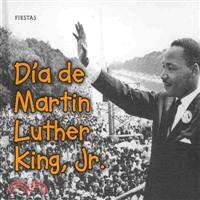
Introduces the historical background behind Martin Luther King, Jr.'s work, why his accomplishments led to the holiday in his memory, why it is important, and how it is celebrated.
Introduces Independence Day, including how the United States became independent and why that is celebrated on July 4, why the holiday is important, and how it is celebrated today.
This book gives a first introduction to the food pyramid. Simple comparisons are used to explore this tool, and suggestions for healthy eating are offered.
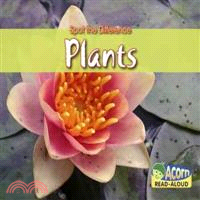
'Spot the Difference: Plants' introduces young learners to the appearance and function of different parts of a plant. Stunning photographs encourage readers to compare and contrast how each plant part
"'Spot the Difference: Animals' introduces young learners to many different animals and their external body parts. Readers learn about the appearance and function of different body parts, and stunning
"'How We Get Around' helps readers explore different methods of transportation used around the world. Children learn that people can travel by car, boat, bicycle, plane, and train. They learn that we
"'We Can Help the Environment' explores different ways for children to help the environment every day. Children learn simple ways to care for nature, save water and energy, clean up litter, and reuse
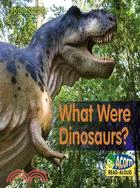
"'What Were Dinosaurs?' uses simple text and vivid images to introduce readers to what dinosaurs were, how they lived, and how we study their remains. Readers learn about the different body coverings,
An introduction to the ways in which people earn money around the world discusses how people get money by doing work in which they provide goods and services.
An introduction to the many ways people spend money around the world includes a look at money in the form of coins and bills, checks, and credit cards.
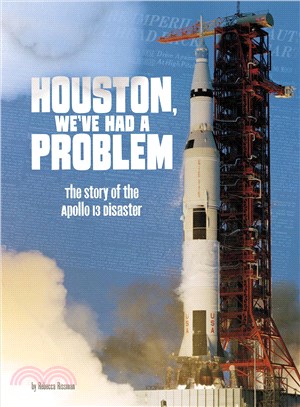
In an immersive, exciting narrative nonfiction format, this powerful book follows a selection of people who experienced the events surrounding the Apollo 13 disaster.
Describes what families are and what they do, and explains what foster families are and how they care for children who need help until they return to their original families or move on to a permanent
'Comparing Body Coverings' introduces readers to different body coverings and their functions. Striking images of a variety of animals encourage readers to compare and contrast different body covering