Is breast really best? Breastfeeding is widely assumed to be the healthiest choice, yet growing evidence suggests that its benefits have been greatly exaggerated. New moms are pressured by doctors, he
As a candidate in 2008, Barack Obama distanced himself from same-sex marriage, saying he believed marriage was “a sacred union” between a man and a woman. In 2012, he did just the opposite, proclaimin
As a glance down any street in America quickly reveals, American women have forgotten how to dress. We chase fads, choose inappropriate materials and unattractive cuts, and waste energy tottering in h
Red teaming. It is a practice as old as the Devil’s Advocate, the eleventh-century Vatican official charged with discrediting candidates for sainthood. Today, red teamscomprised primarily of fearless
In A Just and Generous Nation, the eminent historian Harold Holzer and the noted economist Norton Garfinkle present a groundbreaking new account of the beliefs that inspired our sixteenth president to
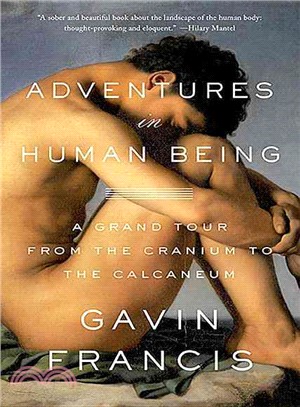
We assume we know our bodies intimately, but for many of us they remain uncharted territory, an enigma of bone and muscle, neurons and synapses. How many of us understand the way seizures affect the b
On the night of November 9, 1989, massive crowds surged toward the Berlin Wall, drawn by an announcement that caught the world by surprise: East Germans could now move freely to the West. The Wallinfa
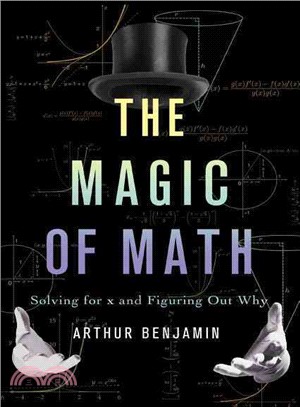
The Magic of Math is the math book you wish you had in school. Using a delightful assortment of examples, from ice cream scoops and poker hands that teach you factorials to mnemonics that help you mem
From the Athenian attack on Melos to the My Lai Massacre, from the wars in the Balkans through the first war in Iraq, Michael Walzer examines the moral issues surrounding military theory, war crimes,
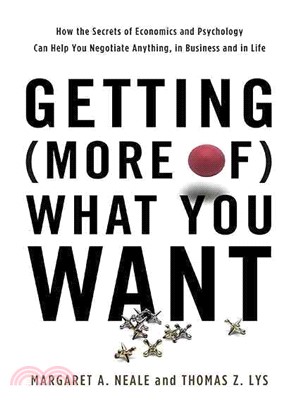
Almost every interaction involves negotiation, yet we often miss the cues that would allow us to make the most of these exchanges. InGetting (More of) What You Want, Margaret Neale and Thomas Lys draw
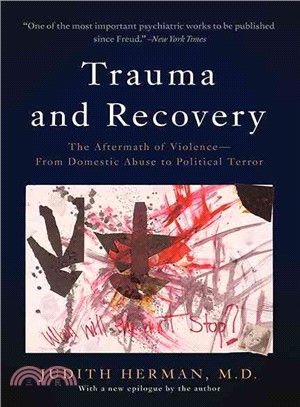
When Trauma and Recovery was first published in 1992, it was hailed as a groundbreaking work. In the intervening years, Herman’s volume has changed the way we think about and treat traumatic events an
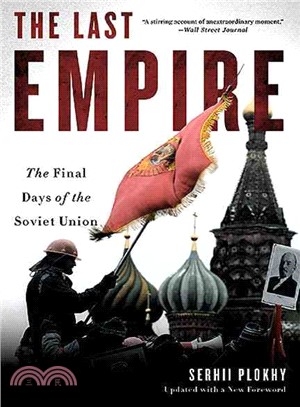
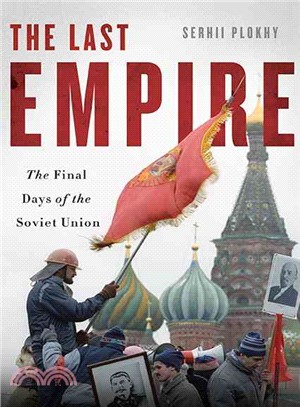
On Christmas Day, 1991, President George H. W. Bush addressed the nation to declare an American victory in the Cold War: earlier that day Mikhail Gorbachev had resigned as the first and last Soviet pr
What can’t neuroscience tell us about ourselves? Since fMRI?functional magnetic resonance imaging?was introduced in the early 1990s, brain scans have been used to help politicians understand and manip
First he taught you classical mechanics. Now, physicist Leonard Susskind has teamed up with data engineer Art Friedman to present the theory and associated mathematics of the strange world of quantum
Libraries today are more important than ever. More than just book repositories, libraries can become bulwarks against some of the most crucial challenges of our age: unequal access to education, jobs,
Unlike other barnyard animals, which pull plows, give eggs or milk, or grow wool, a pig produces only one thing: meat. Incredibly efficient at converting almost any organic matter into nourishing, del
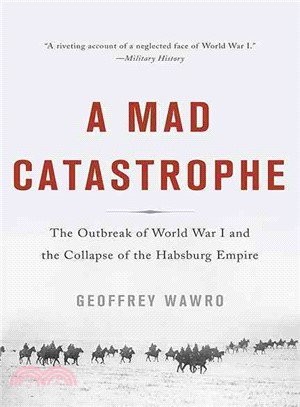
The Austro-Hungarian army that marched east and south to confront the Russians and Serbs in the opening campaigns of World War I had a glorious past but a pitiful present. Speaking a mystifying array
At times, even his admirers seemed unsure of what to do with General Douglas MacArthur. Imperious, headstrong, and vain, MacArthur matched an undeniable military genius with a massive ego and a rebell
In May 1940, with France on the verge of defeat, Britain alone stood in the path of the Nazi military juggernaut. Survival seemed to hinge on the leadership of Winston Churchill, whom the King relucta
Albert Einstein and Erwin Schrodinger were friends and comrades-in-arms against what they considered the most preposterous aspect of quantum mechanics: its randomness. Although Einstein’s own work pro
When first published in 1997 this groundbreaking work on the science of mood both redefined the field and?with compassion, understanding, and scientific rigor?made it accessible to those who would mos
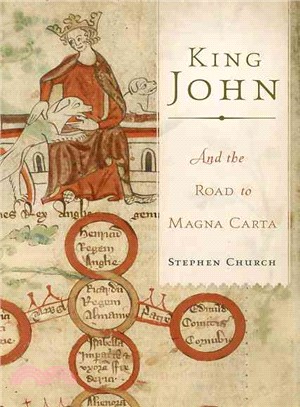
King John (1166-1216) has long been seen as the epitome of bad kings. The son of the most charismatic couple of the middle ages, Henry II and Eleanor of Aquitaine, and younger brother of the heroic cr
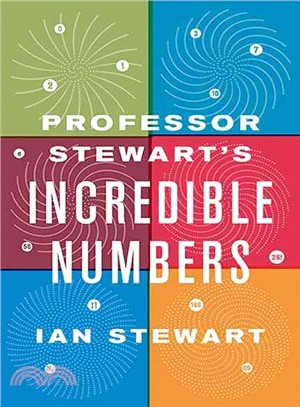
At its heart, mathematics is about numbers, which in turn are vital to the way we understand the world. In Professor Stewart’s Incredible Numbers, Ian Stewart offers a delightful entree into the wider
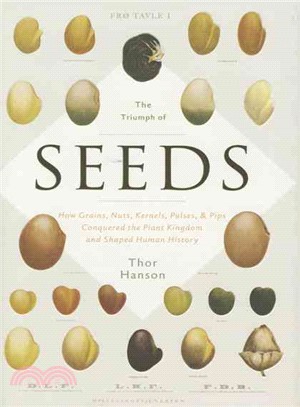
We live in a world of seeds. From our morning coffee to the cotton in our clothes, seeds support diets, economies, lifestyles, and civilizations. InThe Triumph of Seeds, award-winning conservation bio
Questioning everything we know about the childhood predictors of adult greatness, a cognitive psychologist, who was told as a child that he wasn't smart enough to graduate from high school, explores t
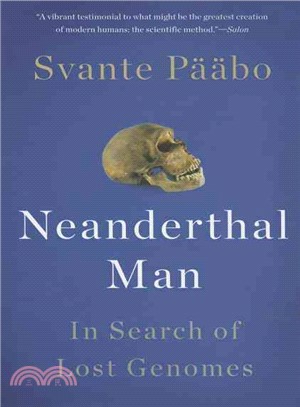
"What can we learn from the genes of our closest evolutionary relatives? Neanderthal Man tells the story of geneticist Svante Paabo's mission to answer that question, beginning with the study of DNA i
Discusses the damages caused by the anti-vaccine movement and argues the necessity of vaccinations for children to prevent such diseases as measles, mumps, and whooping cough.
"In Bad Faith, acclaimed physician and author Paul Offit gives readers a never-before-seen look into the minds of those who choose to medically martyr themselves, or their children, in the name of rel
In 1815, the deposed emperor Napoleon returned to France and threatened the already devastated and exhausted continent with yet another war. Near the small Belgian municipality of Waterloo, two large,
The Paris Commune lasted for only 64 days in 1871, but during that short time it gave rise to some of the grandest political dreams of the nineteenth century?before culminating in horrific violence.Fo
Even in the twenty-first century the popular image of a scientist is a reclusive genius in a lab coat, mixing formulas or working out equations inaccessible to all but the initiated few. The idea that
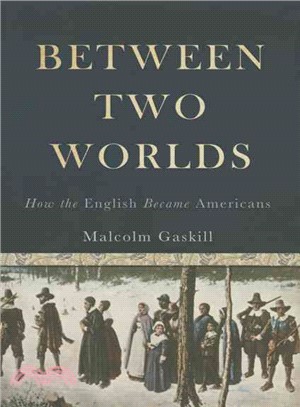
In the 1600s, over 350,000 intrepid English men, women, and children migrated to America, leaving behind their homeland for an uncertain future. Whether they settled in Jamestown, Salem, or Barbados,
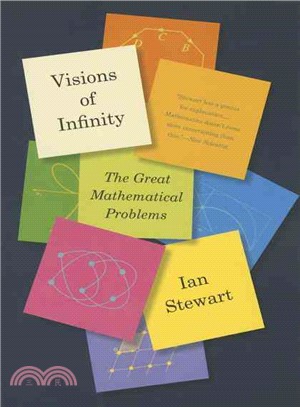
A celebrated mathematician, explaining why mathematical problems exist, what drives mathematicians to solve them, and why their efforts matter in the context of science as a whole, presents a fascinat
Abraham Lincoln grew up in the long shadow of the Founding Fathers. Seeking an intellectual and emotional replacement for his own taciturn father, Lincoln turned to the great men of the founding?Washi
The award-nominated author of Unfinest Hour traces more than five centuries of conflict for control of central Europe as a means for influencing global affairs, providing coverage of such topics as th
"In The Collapse historian Mary Elise Sarotte shows that the opening of the Berlin Wall on November 9, 1989, was not, as is commonly believed, the East German government's deliberate concession to out
Our species long lived on the edge of starvation. Now we produce enough food for all 7 billion of us to eat nearly 3,000 calories every day. This is such an astonishing thing in the history of life as
"Dogs have been mankind's faithful companions for tens of thousands of years, yet today they are regularly treated as either pack-following wolves or furry humans. The truth is, dogs are neither--and
A cocktail party. A terrorist cell. Ancient bacteria. An international conglomerate. All are networks, and all are a part of a surprising scientific revolution. In Linked, Albert-Laszlo Barabasi, the
On Christmas Day, 1991, President George H. W. Bush addressed the nation to declare an American victory in the Cold War: earlier that day Mikhail Gorbachev had resigned as the first and last Soviet pr