There are four major tasks for clustering: Making simplification for further data processing. In this case, the data is split into different groups which then are processed individually. In business,
”《Python專家實踐指南》以精煉的內容帶你巡禮Python宇宙“。-Raymond Hettinger卓越的Python核心開發者”你一直期待這本書。慣例與最佳實踐的闡述對新手非常重要,而每個人均在某些事上是個新手。透過社群中專家的合作,展示開源的價值並分享最佳想法與實踐“。-Eric HolshcerRead the Docs網站(readthedocs.org)準備好成為真正的Python
This book – specifically developed as a novel textbook on elementary classical mechanics – shows how analytical and numerical methods can be seamlessly integrated to solve physics problems. This appro
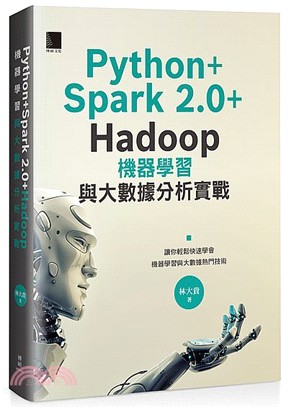
◆本書淺顯易懂的原理說明◆Step by Step實機操作◆範例程式詳細解說◆大幅降低機器學習與大數據技術的學習門檻機器學習正熱門機 器學習是近20多年興起的多領域學科,機器學習演算法可從大量數據中建立模型,並利用模型對未知數據進行預測。近年來各大公司google、 facebook、microsoft、IBM…等,全力投入機器學習研究與應用,以Google為例,Google早已將機器學習,運用在
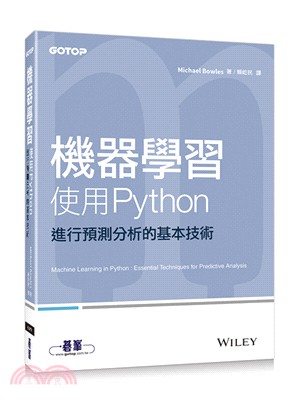
內容簡介:以簡單有效率的方式分析資料與預測結果 機器學習的目的是預測,使用你已經知道的來預測你想要知道的—根據這兩者之間的歷史關係。它的核心是一種數學 / 演算法技術,你需要深入瞭解數學與統計學概念,並熟悉 R 與其他專用語言。本書為廣大的讀者簡化機器學習技術,把焦點放在兩種可以有效地預測結果的演算法族群,告訴你如何透過熱門且容易上手的 Python 程式語言來使用它們。 作者 Michael B
Python is one of the top 3 tools that Data Scientists use. One of the tools in their arsenal is the Pandas library. This tool is popular because it gives you so much functionality out of the box. In a
Google App Engine 不僅是組成 Google Cloud Platform 的重要元件,並且也是相當廣泛的雲端服務。Python 則是該平台所支援的第一款程式語言,藉由 Python 你便能夠在 Google App Engine 上進行快速開發,為你的專案帶來顯著成效。 本書將會指引你利用 Python 搭配 Google App Engine,從 Google Cloud Pl