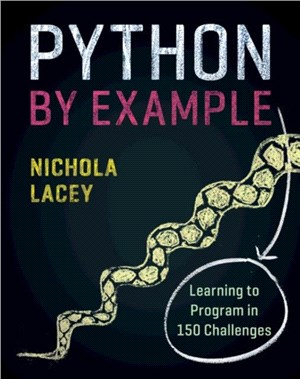
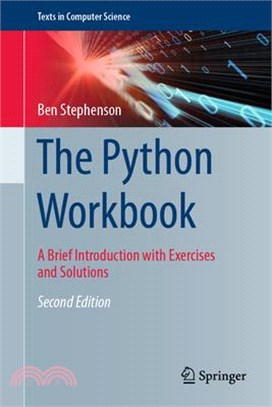
Python is today's fastest growing programming language. This engaging and refreshingly different guide breaks down the skills into clear step-by-step chunks and explains the theory using brief easy-to-understand language. Rather than bamboozling readers with pages of mind-numbing technical jargon, this book includes 150 practical challenges, putting the power in the reader's hands. Through creating programs to solve these challenges the reader will quickly progress from mastering the basics to confidently using subroutines, a graphical user interface, and linking to external text, csv and SQL files. This book is perfect for anyone who wants to learn how to program with Python. In particular, students starting out in computer science and teachers who want to improve their confidence in Python will find here a set of ready-made challenges for classroom use.
This book covers the theoretical aspects of mathematical groundwater models. It is aimed at advanced (under)graduate university students, as well as practicing hydrogeologists. The focus is on the fun
Bring together the Python programming language and Microsoft’s PowerShell to address digital investigations and create state-of-the-art solutions for administrators, IT personnel, cyber response teams
Data science libraries, frameworks, modules, and toolkits are great for doing data science, but they’re also a good way to dive into the discipline without actually understanding data science. W
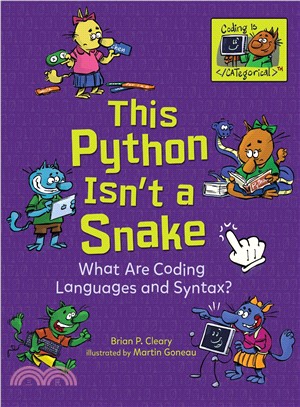
Can cats code? These cats sure can! The indefatigable CATegorical cats guide readers through the basics of coding languages and syntax with the help of author Brian P. Cleary and illustrator (and codi