Code for Engineering Geophysical Exploration of Water Resources and Hydropower"(SL326-2005) consists of 5 chapters , 35 sections and 3 annexes. This Code mainly includes:. Definition of terminologies,
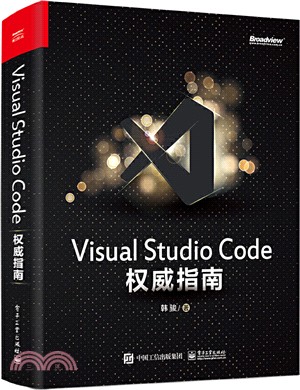
本書由淺入深地介紹了Visual Studio Code的各個方面,主要包括Visual Studio Code的核心組件、使用技巧、進階應用、插件推薦、插件開發、Visual Studio family的各個核心產品等。此外,本書還詳細介紹了如何使用Visual Studio Code進行各種編程語言的開發、前端開發、云計算開發、物聯網開發和遠程開發。 本書適合剛開始
This Code is prepared on the basis of Code for Design of Water Supply and Sewerage of Railway (TB 10010-2008) by summarizing the experience gained in the design, construction and operation of water supply and drainage works for railway project, incorporating relevant research achievements ,implementing national policies on resources conservation, energy conservation and environmental protection, and comprehensively soliciting the opinions of relevant parties. Code for Design o f Wastewater Treatment o f Railway (TB 10079-2013) is incorporated into this Code according to the requirements of establishing a railway industry standard system This Code comprises 17 chapters: General Provisions9 Terms, Basic Requirements, Water Supply Station and Domestic Water Supply Station (Point),Water Consumption, Water Quality and Water Pressure, Water Source9Water Supply Pumping Station, Water Supply and Distribution Pipe, Water Storage and Distribution Structure, Water Supply Plant (Point),Drainage
This book is based on the newly reviewed code in China “Code for design of concrete structure” (GB50010—2002) and the teaching program for civil engineering. It containts:mechanical properties of rein
To promote the exchange and cooperation in railway technology between China and the rest of the world,National Railway Administration organized the translation of this Code. This Code is the official
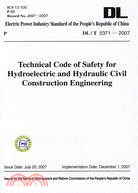
《DL/T5371~2007水電水利工程土建施工安全技術規程(英文版)》內容為:This Standard is a revision of Technical Code for Installation Safety inWater Resources and Hydropower Project (SD 267——1988) (hereinafterto be refeired as the
Claude Code是Anthropic公司推出的一款AI編碼工具,是目前AI編程領域的標杆級產品之一,也是當前Agent系統設計最為成熟的參考實現之一。本書基於Claude Code源代碼,以“啟動–交互–執行–擴展”為主線,系統拆解其整體架構設計與各模塊邊界。全書共分5章:第1章和第2章梳理入口分流機制、REPL交互流程,以及命令系統與工具系統的設計思路;第3章聚焦底層支撐機制,包括上下文管理、基於文件的持久化記憶以及上下文窗口壓縮策略;第4章深入分析Prompt工程,重點討論負向指令、元Prompt、驗證Agent等核心技巧;第5章從“工具”與“操作系統”的雙重視角,總結Claude Code的設計啟示。本書行文簡潔,不堆砌代碼,著力呈現核心架構脈絡,適合希望深入理解Claude Code內部機制的日常使用者閱讀,亦可供對Agent系統設計感興趣的技術人員參考。