




滿額折
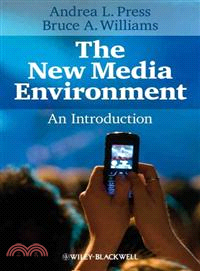
The New Media Environment - An Introduction
商品資訊
ISBN13:9781405127684
出版社:John Wiley & Sons Inc
作者:Press
出版日:2010/07/02
裝訂/頁數:平裝/240頁
規格:22.9cm*15.2cm*1.3cm (高/寬/厚)
商品簡介
作者簡介
名人/編輯推薦
目次
商品簡介
Media Studies examines the new and rapidly developing field of media studies to discover what insights it has to offer students and general readers as they negotiate their way through the new - and thoroughly saturated - media environment.
Explores how recent changes in our media affect the way we watch older media like television, movies, and radio, and offer up rich new interactive media, like video games and the internet
The perfect introduction to the field of media studies
Chronicles the recent dramatic changes in communication technologies, arguing that most of life itself is now experienced as 'mediated'
Discusses the development of cable and satellite television, VCRs, DVDs, the internet and personal computers
Emphasizes the broader political, social, and economic context within which these important new technologies have developed
Explores how recent changes in our media affect the way we watch older media like television, movies, and radio, and offer up rich new interactive media, like video games and the internet
The perfect introduction to the field of media studies
Chronicles the recent dramatic changes in communication technologies, arguing that most of life itself is now experienced as 'mediated'
Discusses the development of cable and satellite television, VCRs, DVDs, the internet and personal computers
Emphasizes the broader political, social, and economic context within which these important new technologies have developed
作者簡介
Andrea L. Press is Chair of Media Studies and Professor of Sociology at the University of Virginia. She is the author of Women Watching Television and the co-author (with Elizabeth Cole) of Speaking of Abortion, and has published widely in the area of media reception and feminist theory.
Bruce A. Williams is a Professor in the Department of Media Studies at the University of Virginia, and the author of After the News: Media Regimes and the New Information Environment (with Michael X. Delli Carpini) and Democracy, Dialogue, and Environmental Disputes: The Contested Languages of Social Regulation (with Albert Matheny). His current research interests focus on the role of a changing media environment in shaping citizenship in the United States.
Bruce A. Williams is a Professor in the Department of Media Studies at the University of Virginia, and the author of After the News: Media Regimes and the New Information Environment (with Michael X. Delli Carpini) and Democracy, Dialogue, and Environmental Disputes: The Contested Languages of Social Regulation (with Albert Matheny). His current research interests focus on the role of a changing media environment in shaping citizenship in the United States.
名人/編輯推薦
"If your students read just one book on the contemporary media environment, this should be it. Press and Williams deliver a masterful overview of the changing media landscape – addressing issues of ownership, politics, democracy, and identity – written in lively, lucid prose." (Laura Grindstaff, University of California at Davis)
"This accessible text draws readers into the complex new dynamics shaping our media environment today. From film to news, economics to textual interpretation, Press and Williams provide an indispensable introduction to the debates that now drive media studies." (Nick Couldry, Goldsmiths, University of London)
“Solidly founded on responsible media scholarship, this crisp analysis of the new media environment makes the novel seem familiar and the familiar seem novel. Press and Williams’ bright and timely text demonstrates once again that there’s nothing so practical as good theory.” (Menahem Blondheim, Hebrew University of Jerusalem)
"This accessible text draws readers into the complex new dynamics shaping our media environment today. From film to news, economics to textual interpretation, Press and Williams provide an indispensable introduction to the debates that now drive media studies." (Nick Couldry, Goldsmiths, University of London)
“Solidly founded on responsible media scholarship, this crisp analysis of the new media environment makes the novel seem familiar and the familiar seem novel. Press and Williams’ bright and timely text demonstrates once again that there’s nothing so practical as good theory.” (Menahem Blondheim, Hebrew University of Jerusalem)
目次
Acknowledgements.
1. Introduction: Modern Life Is a Media Experience.
A Tale of Two Hurricanes.
What Is a Media Environment?
The Importance of Changing Media Environments.
The electronic media.
Media in the Twenty-First Century: What Has Changed?
The age of the Internet.
Conclusion
2. Ownership and Control in the New Media Environment.
Patterns of Media Ownership and Control.
Ownership and Control of the Media: Assumptions and Realities.
Alternative models of media ownership.
Who owns the media?
Ownership and control in a global context.
Does It Matter?
The Consequences of Concentration and Conglomeration.
The argument for market-driven media.
The argument against market-driven media.
What this means today.
Conclusion.
3. Media and Democracy.
Introduction.
Changing Media Environments and Changing Democratic Politics.
Why nervous liberals are still with us: The enduring problem of propaganda.
John Dewey and the reconstruction of media and democratic politics.
Empirical research: How do media actually affect citizens?
Television and the “Age of Broadcast News”.
Politics in the New Media Environment.
Conclusion.
4. Studying Popular Culture: Texts, Reception, and Cultural Studies.
Introduction: Hollywood and Representations of Reality.
Media Studies and the Study of Reception: A Brief History of Its Methods and Findings.
Conclusion.
5. Studying Inequalities: Class, Gender, Race, and Sexuality in Media Studies.
A Critical Perspective on Inequality in Media Studies.
The Frankfurt School.
Cultural studies Media studies research findings on class, gender, race, and sexuality.
Gender in Media Studies Research: Are Gender Roles Culturally Reproduced?
Film and gender: Issues of reception and representation.
Television and gender: Issues of reception and representation.
Media and Race.
Sexuality.
Conclusion.
6. Studying Media Texts and Their Reception in the New Media Environment.
Transformative Images in the New Media Environment.
Globalization and the new shape of media identities.
Media Reception Research in the New Media Environment.
Global reception in the new media environment.
Gender, Race, Sexuality, and Social Class Inequality in New Media Reception: A New Study.
New Studies: Gender and Social Class Identities in the New Media Environment.
Politics, Media Impact and Use, and the New Media Environment
Old and New Media in the Individualized Media Environment: The New Media Environment Is Never Just New Media
Bias in old media and new.
Civic engagement in the new media environment.
Americans and Political Discussion: How the New Media Environment Is Changing the Civic Landscape.
Conclusion.
7. Conclusion.
We Are Living in a Mediated Age.
The Complexity of Our Relationship With the Media.
Human Agency in Media Decisions and Directions.
In Closing: The Case of the RFID.
Index.
1. Introduction: Modern Life Is a Media Experience.
A Tale of Two Hurricanes.
What Is a Media Environment?
The Importance of Changing Media Environments.
The electronic media.
Media in the Twenty-First Century: What Has Changed?
The age of the Internet.
Conclusion
2. Ownership and Control in the New Media Environment.
Patterns of Media Ownership and Control.
Ownership and Control of the Media: Assumptions and Realities.
Alternative models of media ownership.
Who owns the media?
Ownership and control in a global context.
Does It Matter?
The Consequences of Concentration and Conglomeration.
The argument for market-driven media.
The argument against market-driven media.
What this means today.
Conclusion.
3. Media and Democracy.
Introduction.
Changing Media Environments and Changing Democratic Politics.
Why nervous liberals are still with us: The enduring problem of propaganda.
John Dewey and the reconstruction of media and democratic politics.
Empirical research: How do media actually affect citizens?
Television and the “Age of Broadcast News”.
Politics in the New Media Environment.
Conclusion.
4. Studying Popular Culture: Texts, Reception, and Cultural Studies.
Introduction: Hollywood and Representations of Reality.
Media Studies and the Study of Reception: A Brief History of Its Methods and Findings.
Conclusion.
5. Studying Inequalities: Class, Gender, Race, and Sexuality in Media Studies.
A Critical Perspective on Inequality in Media Studies.
The Frankfurt School.
Cultural studies Media studies research findings on class, gender, race, and sexuality.
Gender in Media Studies Research: Are Gender Roles Culturally Reproduced?
Film and gender: Issues of reception and representation.
Television and gender: Issues of reception and representation.
Media and Race.
Sexuality.
Conclusion.
6. Studying Media Texts and Their Reception in the New Media Environment.
Transformative Images in the New Media Environment.
Globalization and the new shape of media identities.
Media Reception Research in the New Media Environment.
Global reception in the new media environment.
Gender, Race, Sexuality, and Social Class Inequality in New Media Reception: A New Study.
New Studies: Gender and Social Class Identities in the New Media Environment.
Politics, Media Impact and Use, and the New Media Environment
Old and New Media in the Individualized Media Environment: The New Media Environment Is Never Just New Media
Bias in old media and new.
Civic engagement in the new media environment.
Americans and Political Discussion: How the New Media Environment Is Changing the Civic Landscape.
Conclusion.
7. Conclusion.
We Are Living in a Mediated Age.
The Complexity of Our Relationship With the Media.
Human Agency in Media Decisions and Directions.
In Closing: The Case of the RFID.
Index.








購物須知
外文書商品之書封,為出版社提供之樣本。實際出貨商品,以出版社所提供之現有版本為主。部份書籍,因出版社供應狀況特殊,匯率將依實際狀況做調整。
無庫存之商品,在您完成訂單程序之後,將以空運的方式為你下單調貨。為了縮短等待的時間,建議您將外文書與其他商品分開下單,以獲得最快的取貨速度,平均調貨時間為1~2個月。
為了保護您的權益,「三民網路書店」提供會員七日商品鑑賞期(收到商品為起始日)。
若要辦理退貨,請在商品鑑賞期內寄回,且商品必須是全新狀態與完整包裝(商品、附件、發票、隨貨贈品等)否則恕不接受退貨。