商品簡介
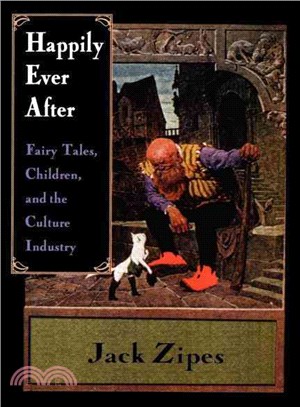
In "Happily Ever After, " Jack Zipes addresses his ongoing concern with the socialization of children, the impact of the fairy tale on children and adults, and the future development of the fairy tale as film. As a result of analyzing the historical trajectory of storytelling and the literary fairy tale, the essays in "Happily Ever After" move from the sixteenth century to the present, between different cultures and societies, and from specific analyses to general syntheses. Zipes demonstrates how Straparola's 16th-century "Puss in Boots" tale is related to Disney's 1922 film version. He examines the narrative structure of "Hansel and Gretel" as a rationalization for child abuse, tracing the same theme in Collad's novel "Pinocchio" and its Disney film version. He concludes by examining how we have come full circle from the early oral tradition in light of the rise of storytelling throughout the world. Underscoring all these essays is the question that all fairy tales raise: what does it take to bring about happiness? Is happiness only to be found in fairy tales?
作者簡介
Jack Zipes is Professor of German at the University of Minnesota.