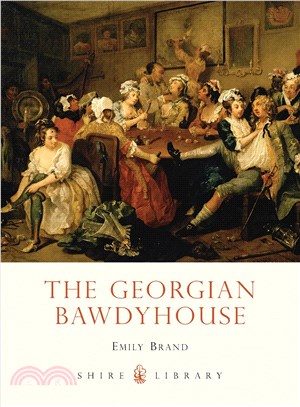
商品簡介
It is safe to say that selling sex constituted a significant, and visible, part of urban culture in Georgian England. Alongside the rise of the 'polite society' of Jane Austen's novels, the city of London, so described in 1758, had long been portrayed as a centre of vice and debauchery. In the shadows of the fashionable public parks and gardens, in alleyways along the banks of the Thames, even at church doors, there lurked a world of criminality and prostitution for which the bawdyhouse became one of the most potent symbols.
The book will explore what is was like to run, work in, and frequent these establishments, which ranged from the filthy East End hovel to grand upmarket apartments. Through newspaper reports, criminal trials, political speeches and bawdy pamphlets and prints, it will also explore how they were perceived and, as the nineteenth century dawned, how the threat of disease and Victorian prudery meant that they were increasingly feared by the public and controlled by the legal system - and the 'happy hooker' firmly confined to the past.
作者簡介
Emily Brand is a writer and historian with a special interest in eighteenth- and nineteenth-century England. She has written widely on domestic and family life for a number of history and genealogy magazines and is also an author for the history society London Historians, of which she is an honorary member. She wrote 'Royal Weddings' for Shire.