商品簡介
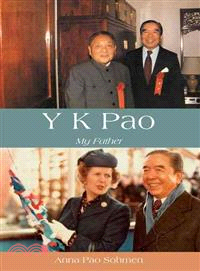
Sir Y. K. Pao (Pao Yue-kong), 1918–1991, rose from modest origins to become, by the mid-1970s, the world’s largest private ship-owner. His Hong Kong- based company World-Wide Shipping diversified into property, hotels, retail, media, telecommunications, airlines and banking—a hugely influential business empire at a time of rapid regional growth. A philanthropist with extensive international connections, Pao became an unofficial Chinese ambassador at large, forging a strong relationship with the architect of China’s reform, Deng Xiaoping, at the dawn of China’s economic transformation and during the discussions about Hong Kong’s future.
Anna Pao Sohmen was at her father’s side during important events and key meetings with leaders around the world. In this affectionate yet unsentimental account, she recounts the pivotal role played by her father at a key historical juncture and the balance he struck between Chinese and British allegiance, between business and politics, and between capitalism and socialism.
作者簡介
Anna Pao Sohmen is a business leader, educator and member of the Chinese People’s Political Consultative Conference.
名人推薦
"Y. K. Pao made many selfless contributions to China's modernization, especially in the educational sector . . . He emphasized the need to stabilize investment and prevent the outflow of capital and talent. He was willing to offer the best help he could in any situation. Mr. Pao played a significant role during Hong Kong's return to China, enhancing communication between the PRC and British governments on the issue of Hong Kong's sovereignty by utilizing his special relationship with senior British officials. Mr. Pao deserves to be called "the Unofficial Ambassador" between China and the United Kingdom."
— Lu Ping, former director of the Hong Kong and Macao Affairs Office of the State Council of the People’s Republic of China
"Only one other person outside of mainland China, Y. K. Pao, and no other political leader had bonded with Deng the way Lee (Kuan Yew) did … From Deng's perspective, what made Lee and Y. K. Pao attractive was their extraordi-nary success in dealing with practical issues, their first-hand contacts with world leaders, their knowledge of world affairs, their grasp of long-term trends, and their readiness to face facts and speak the truth as they saw it."
— Ezra F. Vogel in Deng Xiaoping and the Transformation of China