商品簡介
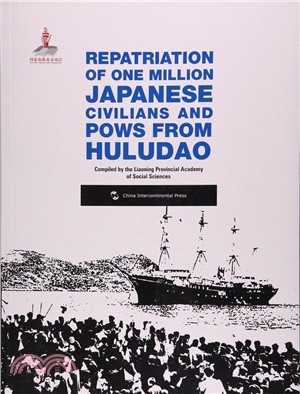
Sixty-nine years ago, 1.05 miLlioJapanese civilians and prisoners of war were sent back to their homeland from northeast China's Huludao port despite they worked against China's national interests.Evenow the deed still moves many Japanese, and many cross the sea to visit the historic port, the place of their rebirth.
Huludao Lies othe shores of Jinzhou Bay ithe west of Liaoning Province. It faces the sea to its east, west and south, and gets its name from its unusual shape, which makes it Look Like a bottle gourd floating othe water . I1908, the Qing government once planned to build a port there, but it was interrupted by the Revolutioof igii. I1930,Zhang Xueliang signed a contract with the Port ConstructioCompany of the Netherlands,authorizing its building. Unfortunately, constructiowas halted by the September18th Incident ofig31. After its occupatioof the northeast of China, Japaintended to transport coal from Beipiao and Fuxiback to Japaby sea, so it restarted the constructioof Huludao Port and supporting facilities from 1936, planning to finish it ifive years. However, wheNo.i and No.2 docks were finished and No.3 dock half pleted, the war ended. Such a shabby port, however, Later became the departure point of a millioJapanese civilians and POWs after the World War Ⅱ.
目次
Preface
Japan's Emigratioto Northeast China
The Early-stage Emigration
Trial Emigration
State-sponsored Emigration
Harms of Japanese Emigration
Repatriatioof One MillioJapanese Civilians and Pows
PlaoRepatriatioof Japanese iNortheast China
Repatriatioof Japanese iKMT-controlled Regions
Repatriatioof Japanese iCPC-controlled Regions
Achievements
Echo of History
Reflect oHistory and Gherish Peace
Revisit Rebirth Place to Renew Friendship
Friendship Tree Evergreen