


共
1251 筆
第1 / 32 頁

滿額折
優惠價:
9
1435
無庫存
90 折
若需訂購本書,請電洽客服 02-25006600[分機130、131]。
滿額折
滿額折
優惠價:
1
1575
無庫存

若需訂購本書,請電洽客服 02-25006600[分機130、131]。
優惠價:
1
3900
無庫存

若需訂購本書,請電洽客服 02-25006600[分機130、131]。

優惠價:
1
1617
無庫存
滿額折
優惠價:
79
811
無庫存
滿額折
優惠價:
79
510
無庫存

若需訂購本書,請電洽客服 02-25006600[分機130、131]。

90 折
In this wide-ranging and multidisciplinary volume, leading scholars, activists, journalists, and public figures deliberate about the creative and critical potential of public imagination in an era par
優惠價:
9
2159
無庫存
90 折
In this wide-ranging and multidisciplinary volume, leading scholars, activists, journalists, and public figures deliberate about the creative and critical potential of public imagination in an era par
若需訂購本書,請電洽客服 02-25006600[分機130、131]。

出版日:2019/12/03
作者:Joseph Drexler-Dreis (EDT);
Kristien Justaert (EDT);
Rufus Burnett Jr. (CON);
M. Shawn Copeland (CON)
出版社:Fordham Univ Pr
裝訂:精裝
若需訂購本書,請電洽客服 02-25006600[分機130、131]。

出版日:2019/12/03
作者:Joseph Drexler-Dreis (EDT);
Kristien Justaert (EDT);
Rufus Burnett Jr. (CON);
M. Shawn Copeland (CON)
出版社:Fordham Univ Pr
裝訂:平裝
優惠價:
1
2340
無庫存
滿額折
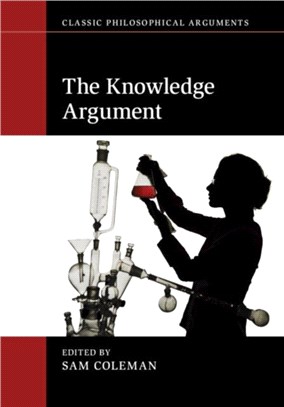
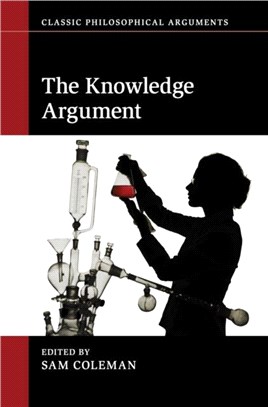
Frank Jackson's knowledge argument imagines a super-smart scientist, Mary, forced to investigate the mysteries of human colour vision using only black and white resources. Can she work out what it is like to see red from brain-science and physics alone? The argument says no: Mary will only really learn what red looks like when she actually sees it. Something is therefore missing from the science of the mind, and from the 'physicalist' picture of the world based on science. This powerful and controversial argument remains as pivotal as when it was first created in 1982, and this volume provides a thorough and incisive examination of its relevance in philosophy of mind today. The cutting-edge essays featured here break new ground in the debate, and also comprehensively set out the developments in the story of the knowledge argument so far, tracing its impact, past, present, and future.
優惠價:
9
1462
無庫存
90 折
Frank Jackson's knowledge argument imagines a super-smart scientist, Mary, forced to investigate the mysteries of human colour vision using only black and white resources. Can she work out what it is like to see red from brain-science and physics alone? The argument says no: Mary will only really learn what red looks like when she actually sees it. Something is therefore missing from the science of the mind, and from the 'physicalist' picture of the world based on science. This powerful and controversial argument remains as pivotal as when it was first created in 1982, and this volume provides a thorough and incisive examination of its relevance in philosophy of mind today. The cutting-edge essays featured here break new ground in the debate, and also comprehensively set out the developments in the story of the knowledge argument so far, tracing its impact, past, present, and future.
若需訂購本書,請電洽客服 02-25006600[分機130、131]。

若需訂購本書,請電洽客服 02-25006600[分機130、131]。
90 折
若需訂購本書,請電洽客服 02-25006600[分機130、131]。
若需訂購本書,請電洽客服 02-25006600[分機130、131]。
90 折
What is the point of living? If we are all going to die anyway, if nothing will remain of whatever we achieve in this life, why should we bother trying to achieve anything in the first place? Can we b
優惠價:
9
1887
無庫存
90 折
若需訂購本書,請電洽客服 02-25006600[分機130、131]。

75 折
Integrates central themes in epistemology and the philosophy of mindOffers a novel defense of internalism in epistemologyDevelops an original account of the epistemic significance of consciousness
優惠價:
75
5850
庫存:1
90 折
優惠價:
9
2591
無庫存
90 折
出版日:2019/07/30
作者:Jeanette Bicknell (EDT);
Jennifer Judkins (EDT);
Carolyn Korsmeyer (EDT)
出版社:Taylor & Francis
裝訂:精裝
若需訂購本書,請電洽客服 02-25006600[分機130、131]。

滿額折
Bringing the ancient matchmaking tool of astrology into the 21st century, The Astrology of Love & Sex explores the romantic and sensual sides of the zodiac. In 12 detailed chapters, astrologer Ann
優惠價:
79
599
無庫存
滿額折
優惠價:
1
2997
無庫存
若需訂購本書,請電洽客服 02-25006600[分機130、131]。
90 折
90 折
若需訂購本書,請電洽客服 02-25006600[分機130、131]。

若需訂購本書,請電洽客服 02-25006600[分機130、131]。

滿額折
優惠價:
79
615
無庫存
90 折
90 折
若需訂購本書,請電洽客服 02-25006600[分機130、131]。
90 折
若需訂購本書,請電洽客服 02-25006600[分機130、131]。

滿額折
優惠價:
95
469
無庫存

The Culture of Love in China and Europe offers a cautiously comparative survey of the cults of love developed in the history of ideas and literary production in China and Europe between the 12th and e
若需訂購本書,請電洽客服 02-25006600[分機130、131]。
90 折
Though Kant never used the word 'emotion' in his writings, it is of vital significance to understanding his philosophy. This book offers a captivating argument for reading Kant considering the importa
優惠價:
9
8100
無庫存

滿額折
Does human life have any meaning? Does the question even make sense today? For centuries, the question of the meaning or purpose of human life was assumed by scholars and theologians to have a relig
優惠價:
1
1440
無庫存

What bearing do our histories--our influences, what we have done and what has happened to us--have on our responsibility for the actions we take or consider in the present? This is the question at the
若需訂購本書,請電洽客服 02-25006600[分機130、131]。