British and Allied memoirs and histories have contributed to the rise of three mythsconcerning the discovery and employment of radar. These myths are as follows. The first myth is that Sir Robert Wats
General Kenney Reports is a classic account of a combat commander in action. General George Churchill Kenney arrived in the SouthwestPacific theater in August 1942 to find that his command, if not in
A long-established U.S. Navy publication also used by the U.S. Air Force as well as by the FAA as a source reference for their own publications, this textbook presents the elements of applied aerodyna
Our reliance on computers and information-based technologies within DOD has greatly increased our potential for vulnerability if our information systems are attacked. DOD systems now receive numerous
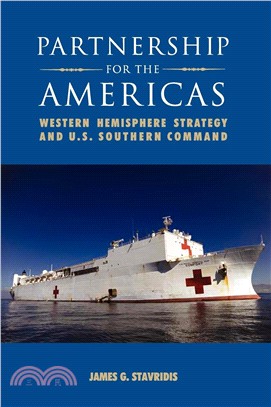
Admiral James G. Stavridis, USN, reflects on his tenure as Commander of United States Southern Command (SOUTHCOM). The first Admiral to command Southern Command, Admiral Stavridis broke with tradition
The Politics of Command reevaluates the continual controversy over strategy that occurred between Jefferson Davis and his high command, and within the command itself. Thomas Lawrence Connelly and Arch
Military command and control is not merely evolving, it is co-evolving. Technology is creating new opportunities for different types of command and control, and new types of command and control are c
MACV: The Joint Command in the Years of Withdrawal, 1968-1973, describes the evolution of the command during the period of U.S. disengagement from Vietnam. By late 1967 the Military Assistance Command
Freedom from Command and Control: Rethinking Management for Lean Service, by John Seddon, applies the Toyota Production System (TPS) to service organizations. It explains how the traditional command-