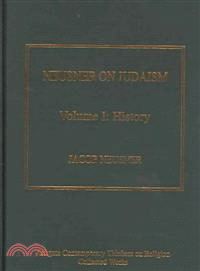
The most prolific 20th-century analyst of Rabbinical Judaism, Neusner (Bard College) has reproduced articles from publication over several decades into a three-volume set, covering in turn history, li
Neusner (religion and theology, Bard College) reproduced articles and essays he has published over nearly 50 years of study into the formation of normative Judaism into three volumes representing the
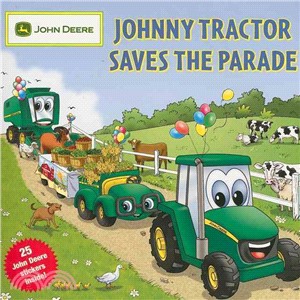
Join Johnny Tractor, Corey Combine, Barney Backhoe, and the rest of the characters in their new springtime adventures on Merriweather Farm and in Deerfield Valley!
Perhaps the most prolific scholar of Judaism in the 20th century, Neusner (religion and theology, Bard College) completes the three volumes of selected essays by demonstrating how the Rabbinic sayings
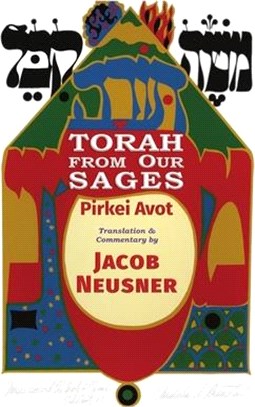
This book follows a single tractate through the principal documents of formative Judaism as Neusner has presented them. Neusner shows how his academic commentaries, outlines and comparisons and theolo
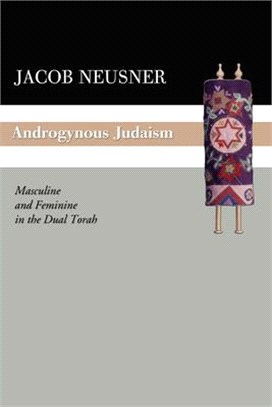
Distinguished historian of Judaism Jacob Neusner here ventures for the first time into constructive theology. Taking the everyday life of contemporary Judaism as his beginning, Neusner asks when in th
Jacob Neusner was a prolific and innovative contributor to the study of religion for over fifty years. A scholar of rabbinic Judaism, Neusner regarded Jewish texts as data to address larger questions
Jacob Neusner was a prolific and innovative contributor to the study of religion for over fifty years. A scholar of rabbinic Judaism, Neusner regarded Jewish texts as data to address larger questions
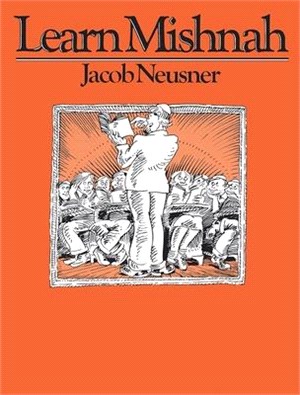
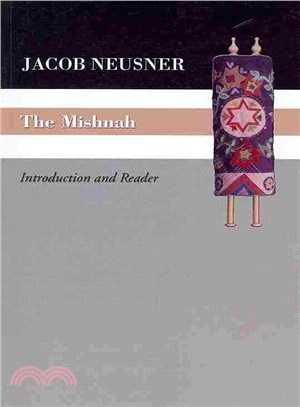
Drawing on his own recent translation, Neusner introduces The Mishnah, the 2nd century classic codification of oral Jewish law, explaining its internal logic and structure, and its relevance to modern
Neusner (history and theology of Judaism, Bard College) works to form a realm of cooperation between Judaism and Christianity by creating this anthology of how Judaism's classical rabbis in the first
A theological system and structure form foundations of, and are realized in detail by, the Rabbinic Midrash, claims Neusner (theology, Bard College). Here he defines the principal parts of the theolog
After introducing the Torah expressing Jewish monotheistic creed as Scripture completed by the later compiled oral Word, noted Jewish studies scholar Neusner (Bard College, NY) proposes that these dua
This book is an exercise in the systematic recourse to anachronism as a theological-exegetical mode of apologetics. Jacob Neusner surveys the presentation of the prophets by the rabbis, beginning with
Neusner describes, analyzes, and interprets the transformation of one system of the Israelite social order by a connected but autonomous successor-system. He reviews the initial statements made in The
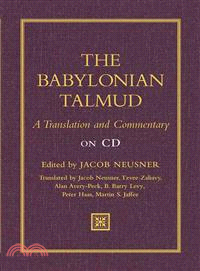
The Talmud is the authoritative source for law and theology in Judaism, says Neusner (religion and theology, Bard College), and is important to contemporary Judaism because it was produced in response
Neusner (Bard College) offers here a narrative of his work on the history, literature, social thought, history of religion, and theology of Judaism that he has presented over many years and many volum
If law alone yields legalism, then religious belief, by itself, fails to create justice. In Performing Israel's Faith, Jacob Neusner shows how Jewish Halakhah (law) and Aggadah (narrative) fit togethe
Venerable scholar of Judaism Neusner (Bard College) begins a three-part reference defining the principal theological usages of Rabbinic Judaism as set forth in the Rabbinic canon of late antiquity, Mi
In this textbook intended for the student and teacher of an introductory course in Judaism, Neusner describes how Judaism is practiced today in North America and surveys how Judaism took historical sh
Jacob Neusner (born 1932) is one of the most important figures in the shaping of modern American Judaism. He was pivotal in transforming the study of Judaism from an insular project only conducted by—
Using Rabbinic Judaism as a case study, Neusner (religion and theology, Bard College) explains how Judaism and Christianity ordinarily read Scripture before the advent of historicism about two centuri
Fourteen fresh essays by leading scholars (J. Neusner, B.D. Chilton, W.S. Green, L.H. Schiffman, A.J. Avery-Peck, G.W.E. Nickelsburg, S. Mason, C. Dewald, M. Aviam, G.G. Porton) ask two questions: Wha
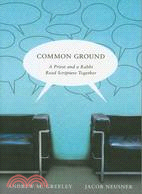
Judaism and Christianity meet in scripture, which they share and about which they contend. In Common Ground Father Andrew Greeley and Rabbi Jacob Neusner present their characteristically candid - and
Neusner (history and theology of Judaism, Bard College, New York) addresses the hypothesis that Rabbinic Judaism in its normative canon, from the Mishnah through the Bavli, represents a continuation a