First published in 1939, this book provides a brief but comprehensive view of language in general, and of English and American language in particular. It is suitable for beginners and those who wish t
First published in 1940, this book provides a literary dictionary to the New Testament. The treatment of selected words and phrases is not theological, but lexicographical and etymological. Each entry
First published in 1933, this book explores both contemporary and historical slang, focusing on the characteristics and quirks of the English and American languages. As well as looking at commonly use
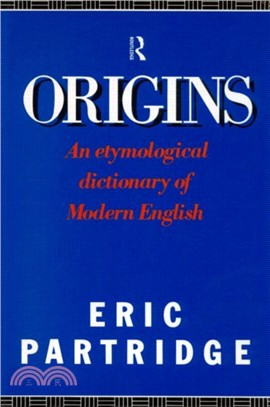
This dictionary gives the origins of some 20,000 items from the modern English vocabulary, discussing them in groups that make clear the connections between words derived by a variety of routes from o
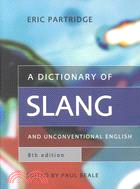
The definitive work on slang and unconventional English, this edition is fully revised and updated by Paul Beale and includes some 500 new entries. The dictionary gives a fully documented account of E
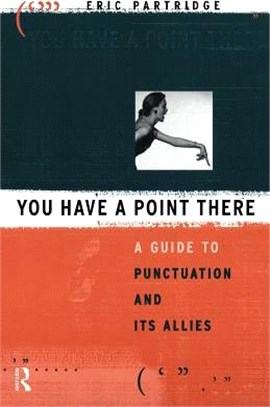
This standard work on punctuation has long been judged the foremost study of the subject. It reveals punctuation to be both an indispensable craft and an invaluable art - a friend not an enemy.
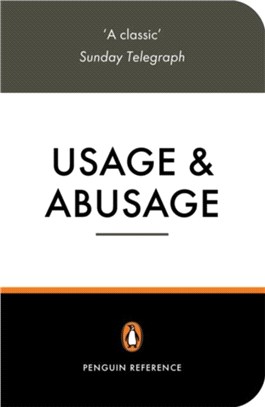
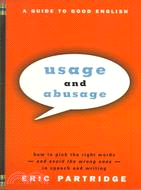
Usage and Abusage takes a long, hard look at the use - and constant misuse - of English. Declaring war on bad grammar, woolliness of expression and poor choice of vocabulary, this essential guide sets
Previous editions are cited in Guide to Reference Books and Books for College Libraries, 3d ed. This is a paperback edition of the eighth, most recent, edition (1984). If one wanted to know that a
This classic of Shakespeare scholarship begins with a masterly introductory essay analysing and exemplifying the various categories of sexual and non-sexual bawdy expressions and allusions in Shakespe
Which is preferred - nom de plume, pseudonym, or pen name? What are neologisms, disguised conjunctions, and fused participles? Language enters into almost every part of human life and yet it is all t
Antiquarian Grose (1730-91) first published his dictionary in 1785, defining the fashionable words and favorite expressions of his time, some of which endure today and some of which have retired from
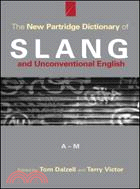
Booklist Top of the List Reference Source 2006The successor to The Dictionary of Slang and Unconventional English – Eric Partridge’s magnum opus – this all-new work retains the humou