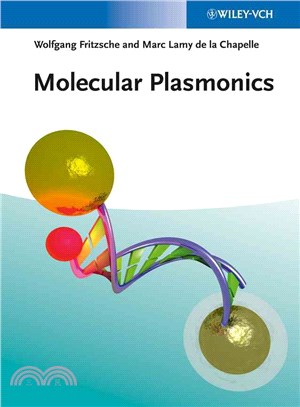
Adopting a novel approach, this book provides a unique "molecular perspective" on plasmonics, concisely presenting the fundamentals and applications in a way suitable for beginners entering this hot f
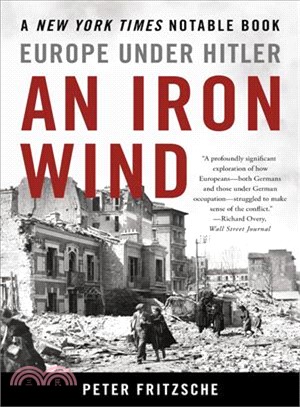
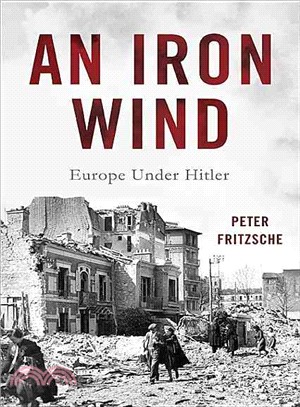
"A profoundly significant exploration of how Europeans--both Germans and those under German occupation--struggled to make sense of the conflict." --Richard Overy, Wall Street Journal In An Iron Wind,
World War II reached into the homes and lives of ordinary people in an unprecedented way. Civilians made up the vast majority of those killed by war. On Europe’s home front, the war brought the German
This historical analysis of the remarkable diaries of Franz Goll, a working class German man who kept a detailed journal of his daily life, with political and social commentary, from 1916 until his de
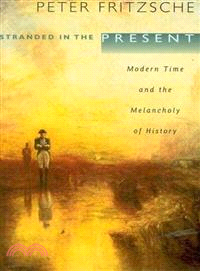
Explains how history is traced by Europeans and Americans who had a passionate interest in the past, exploring how they saw themselves in the drama of history, from the aftermath of the French revolut
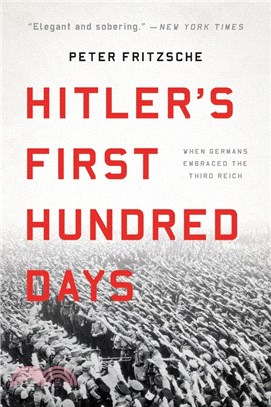
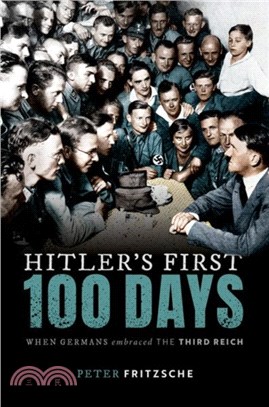
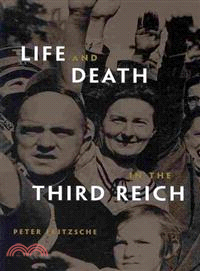
On January 30, 1933, hearing about the celebrations for Hitler’s assumption of power, Erich Ebermayer remarked bitterly in his diary, “We are the losers, definitely the losers.” Learning of the Nuremb
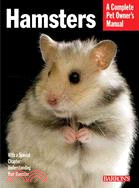
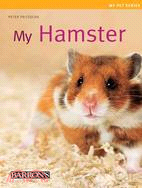
The hamster is a favorite caged pet for children. HereA's advice for both children and adults on housing, feeding, general care, and toys and devices to help keep a hamster active and healthy. Barron
My Pet books, titles in a new pet care series from BarronA's, are formatted in a somewhat larger trim size than BarronA's popular Pet OwnerA's Manuals and Pet Handbooks. Accordingly, My Pet books c
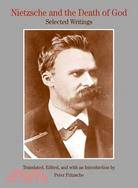
German philosopher and self-proclaimed nihilist Friedrich Wilhelm Nietzsche stands out as a furious, explosive thinker who repeatedly pulled apart the certainties of the nineteenth century and whose w
In this inventive book, Peter Fritzsche explores how Europeans and Americans saw themselves in the drama of history, how they took possession of a past thought to be slipping away, and how they genera
Why did ordinary Germans vote for Hitler? In this dramatically plotted book, organized around crucial turning points in 1914, 1918, and 1933, Peter Fritzsche explains why the Nazis were so popular and
The great cities at the turn of the century were mediated by words--newspapers, advertisements, signs, and schedules--by which the inhabitants lived, dreamed, and imagined their surroundings. In this
An all-inclusive, lively exploration of more than 50 breeds of bantams, including rare species. Readers will easily understand every aspect of husbandry, housing and day-to-day care. Over 30 color ph