Julia Kristeva is one of Europe's most brilliant and original theorists, widely acclaimed for her work in such diverse areas as linguistics, psychoanalysis, literary and political theory. The Kristeva
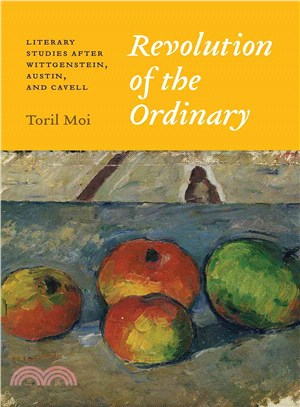
This radically original book argues for the power of ordinary language philosophy—a tradition inaugurated by Ludwig Wittgenstein and J. L. Austin, and extended by Stanley Cavell—to transform literary
This radically original book argues for the power of ordinary language philosophy—a tradition inaugurated by Ludwig Wittgenstein and J. L. Austin, and extended by Stanley Cavell—to transform literary
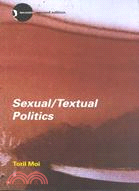
This book examines the strengths and limitations of the two main strands in feminist criticism, the Anglo-American and the French, paying particular attention to the works of Cixous, Irigaray and Kris
Dolls' houses have a long history, stretching from ancient Egypt to sixteenth-century Bavaria to modern global mass production. Today, fine collections of houses exist, for example across Britain and
In Simone de Beauvoir: The Making of an Intellectual Woman, Toril Moi shows how Simone de Beauvoir became the leading feminist thinker and emblematic intellectual woman of the twentieth century. Blend
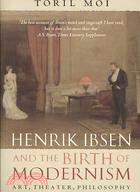
Henrik Ibsen (1828-1906) is the founder of modern theater, and his plays are performed all over the world. Yet in spite of his unquestioned status as a classic of the stage, Ibsen is often dismissed
In Simone de Beauvoir: The Making of an Intellectual Woman, Toril Moi shows how Simone de Beauvoir became the leading feminist thinker and emblematic intellectual woman of the twentieth century. Blend
This affordable, compact edition, designed specially for use in university courses, consists of two of the most celebrated essays from Toril Moi's highly-acclaimed What Is a Woman?What is a woman? Doe
What are the political implications of a feminist critical practice? How do the problems of the literary text relate to the priorities and perspectives of feminist politics as a whole?Sexual/Textual P
What is a woman? And what does it mean to be a feminist today? In her first full-scale engagement with feminist theory since her internationally renownedSexual/Textual Politics (1985), Toril Moi chall