"In Generating and Using Electricity, we find out how electricity is generated from many sources, including waves, wind, and the Sun. Learn about electric charge, cells and batteries, generators, and
"Does science sometimes seem dry and boring? Why do we need to learn about it? ""Why Science Matters"" demonstrates how the science we learn at school is important in every aspect of our everyday live
Each book in this series follows a packet of energy along a journey. Each stage of the journey is described in a short chapter, and we learn what alternative paths the energy might have taken along th
"When police are called to a house, they find three bodies. Are they dead, and has any crime been committed? This book looks at the topic of the human body to explain how our body systems work. It sho
"Exercise is good for us throughout our lives, even when we are babies or very old. But as the body changes, the kinds of exercise that work best for us change too. When can we best improve our balanc
Discusses the impact of environmentalism on transportation, including the success of the Bus Rapid Transit in Curitiba, Brazil; the failures of Boston's Big Dig, and the popularity of hybrid vehicles.
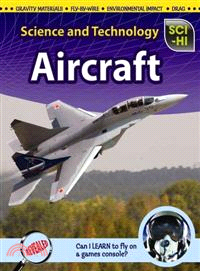
Looks at the application of science and new technologies to all types of aircraft, including military jets, airliners, gliders, and airships, and how they affect our lives.
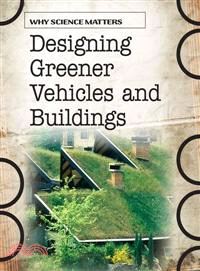
Looks at the application of science and new technologies to building and engineering projects, including new forms of such traditional elements as arches and domes, energy effiency, earthquake proofin
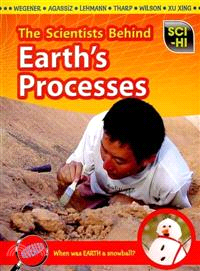
"This addition to the Sci-Hi series looks at scientists who have made major advances and affected the way we live - men and women, historical and modern, and from a range of cultures. Some are househo
Explains the science behind different sources of energy and includes information about the prominent scientists behind the discoveries in each resource, including light, oil, and future energy.
Oxford Reading Tree: Fireflies (Non-Fiction): Level 5 (Age 5½ - 6)This book is part of the Oxford Reading Tree Fireflies series which offer a wide range of stimulating non-fiction titles for young chi
What are Q-ships? Which country holds the largest number of nuclear weapons? What are some of the tactics used by guerilla fighters? Real World Data presents information about familiar curricular top
Explores the ideas, machines, and technology that have provided the foundation for the modern age, including electricity, antibiotics, and the internet.
Explains what mammals are and how they differ from other animals, with an overview of the life cycle of a variety of mammals, including pouched mammals, sea mammals, flying mammals, and humans.
Explains what insects are and how they differ from other animals, with an overview of the life cycle of a variety of insects, including ants, bees, cockroaches, grasshoppers, dragonflies, and butterfl
"In Sports Science, we learn how sports and exercise science can benefit everyone, not just athletes. We find out about how the body responds to exercise, the role of nutrition and sports psychology i
"What is acid rain? Why is so much farmland now damaged? How can ecotourism help the environment? The 'Real World Data' series presents information about familiar curricular topics through charts and
"What is scree? How hot is the center of the Earth? Where is the longest river in the world? The 'Real World Data' series presents information about familiar curricular topics through charts and graph
"What is scree? How hot is the center of the Earth? Where is the longest river in the world? The 'Real World Data' series presents information about familiar curricular topics through charts and graph
Discusses various forms of energy and explains how to create and interpret the charts, tables, and graphs used to display different types of information.
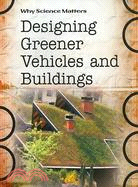
"Why do we need greener buildings? What is a carbon footprint? How can computer-aided design help reduce our energy use? The 'Why Science Matters' series demonstrates how the science we learn at schoo
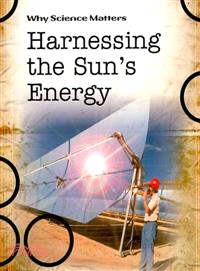
Explores the future of solar power as a source of energy, discussing the pros and cons of its use, how the Sun's energy can be harnessed, the history of its use, and how it may be used in the future.
Explores the future of solar power as a source of energy, discussing the pros and cons of its use, how the Sun's energy can be harnessed, the history of its use, and how it may be used in the future.
"Why do we need greener buildings? What is a carbon footprint? How can computer-aided design help reduce our energy use? The 'Why Science Matters' series demonstrates how the science we learn at schoo
"Why does the body try to reject transplanted organs? How is artificial skin grown? The 'Why Science Matters' series demonstrates how the science we learn at school is important in every aspect of our
Describes the role chemical reactions have played in the history of humanity, from the creation of the known universe and the development of chemistry to their use in creating energy, plastics, and gu
Against the background of a schooner sailing from England, describes what makes wind and its patterns around the world and how air pressure and clouds signify weather.
Follows a beam of light--the fastest thing in the universe--from the star Deneb, across space and into the solar system, and through the Earth's atmosphere, until it reaches a human eye.
Follows a beam of light--the fastest thing in the universe--from the star Deneb, across space and into the solar system, and through the Earth's atmosphere, until it reaches a human eye.
Each book in this series follows a packet of energy along a journey. Each stage of the journey is described in a short chapter, and we learn what alternative paths the energy might have taken along th