A prominent critic and theorist considers the criteria of value for collecting and storing works of art.In the world of contemporary art, serious art is produced primarily with the aim of being collec
Since Plato, philosophers have dreamed of establishing a rational state ruled through the power of language. In this radical and disturbing account of Soviet philosophy, Boris Groys argues that commun
Crucial texts, many available in English for the first time, written before and during the Bolshevik Revolution by the radical biopolitical utopianists of Russian Cosmism.Cosmism emerged in Russia bef
The leading art theorist takes on art in the age of the Internet In the early twentieth century, art and its institutions came under critique from a new democratic and egalitarian spirit. The notion o
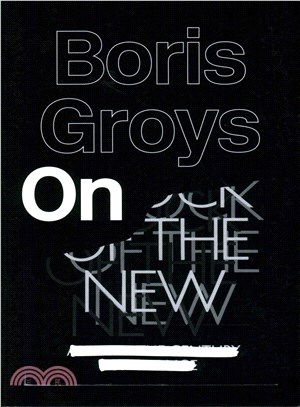
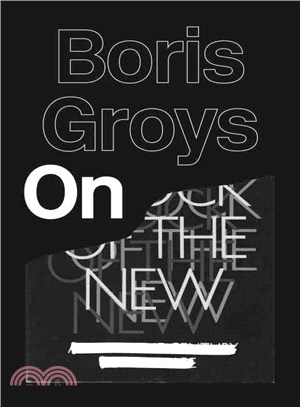
On the New looks at the economies of exchange and valuation that drive modern culture's key sites: the intellectual marketplace and the archive. As ideas move from one context to another, newness is c
On the New looks at the economies of exchange and valuation that drive modern culture's key sites: the intellectual marketplace and the archive. As ideas move from one context to another, newness is c
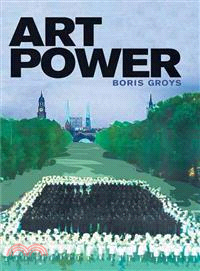
Art has its own power in the world, and is as much a force in the power play of global politics today as it once was in the arena of cold war politics. Art, argues the distinguished theoretician Boris
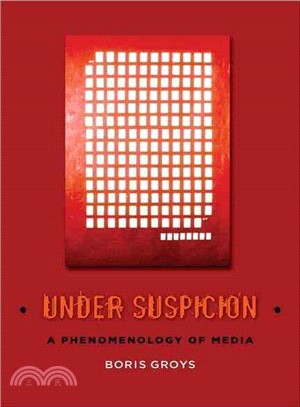
The public generally regards the media with suspicion and distrust. Therefore, the media's primary concern is to regain that trust through the production of sincerity. Advancing the field of media stu
For the philosopher and media theoretician Boris Groys, Google performs the function of philosophy and religion as a ubiquitous means of negotiating the world. Philosophical precursors for Google''s d
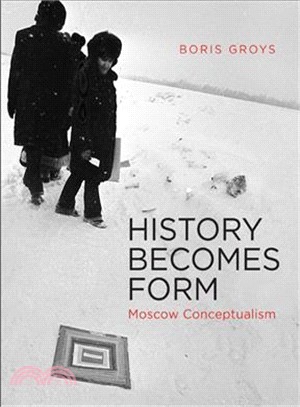
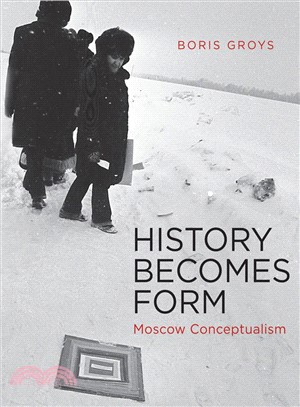
In the 1970s and 1980s, a group of "unofficial" artists in Moscow—artists not recognized by the state, not covered by state-controlled media, and cut off from wider audiences—cr
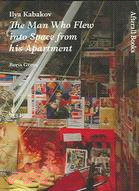
The fictitious hero of this 1984 installation is a lonely dreamer who develops an impossible project: to fly alone in cosmic space. But this dream is also an individual appropriation of a collective
This collection of essays does not aim to illustrate a prefabricated theory of art, but rather follows the impulses given by artworks themselves. Philosopher and art critic Boris Groys writes about si
The fictitious hero of this 1984 installation is a lonely dreamer who develops an impossible project: to fly alone in cosmic space. But this dream is also an individual appropriation of a collective