A compendium of milestone stories and watershed events in popular culture, politics, and news at home and abroad from 1968, including the Assassination of Martin Luther King, an introduction of the Fo
This book is a first course in statistics for students of biology. Most of the examples have an ecological bias, but illustrate principles which have direct relevance for biologists doing laboratory w
What constituted a secret or a scandal in times gone by? This entertaining history gives an overview of the times and attitudes to "secrets," and what was meant by a "scandal." The series uncovers rev
The year is 1939. Germany, led by Adolf Hitler, has invaded Poland. The world is about to enter into the biggest and most terrible war in history. But from the depths of despair rose some very courage
A powerful and iconic weapon, the longbow dominated Medieval warfare in England. From the Hundred Years War to Hastings, Robin Hood and Agincourt, the longbow was also used to a devastating effect in
Introduces the different kinds of reptiles and amphibians, from the giant Komodo dragon to the tiny red-eyed tree frog, and explores their life cycles, habitats, diet, and homes.
Presents an array of general facts about human culture, including information about art, music, design, film, architecture, literature, mythology, and the history of culture in question and answer for
Presents an introduction to the ancient city of Mohenjo-daro in the Indus River Valley, discussing its discovery by archaeologists in the 1920s and facts about its walls, homes, wells, artifacts, and
"This title discusses topics such as what archeologists discovered about the Indus Valley, how the Indus people lived, as well as the aspects of Indus trading."
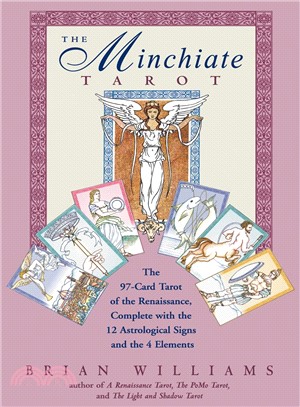
. The first deck in several hundred years to present the expanded 97-card Tarot system of the Renaissance. . Based on the original Italian Renaissance Tarot deck, with contemporary interpretations by
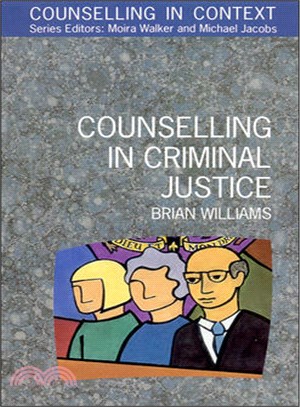
A critique and commentary of counseling in the criminal justice system detailing cases from both the offenders' and victims' perspectives. Williams (applied social studies, U. of Keele) describes a v
Discusses when, where, and why the pyramids were built; their positioning; how they were constructed; what was in them; mummies; and what archeologists have learned from them.