The aspects of World War II that have been most studied and written about are the politics that led up to the war and that were most prominent during the war. There are also many books and films dedic
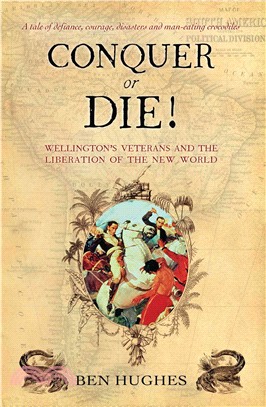
In 1815, just after the battle of Waterloo, over 6,000 British volunteers sailed across the Atlantic to aid Simon Bolivar in his liberation of Gran Columbia from her Spanish oppressors. The expedition
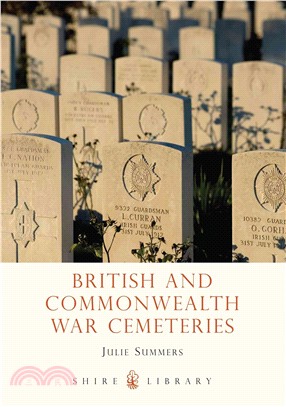
In 1917 a remarkable organization came into being. Its brief was vastly ambitious: to commemorate the 1,100,00 men of the British Empire who lost their lives in the First World War. The Imperial War G
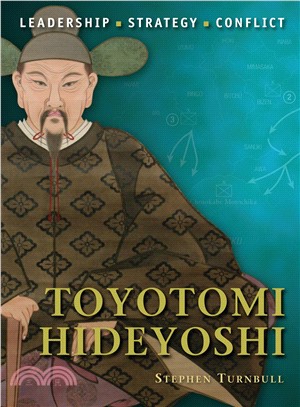
Arguably the greatest military commander in the history of the samurai, Toyotomi Hideyoshi rose from the ranks of the peasantry to rule over all Japan. A student of the great unifier Oda Nobunaga, Hid
From the war-torn skies over Europe to the empty expanses of the Pacific, pilots were the vanguard of the American military machine during the dark days of World War II. Discover their experiences as
The night before D-Day, light infantry and a detachment of Royal Engineers landed by gliders at Pegasus Bridge, which spanned the Caen Canal. Quickly overwhelming the guards, they managed to hold the
The development of practical, man-portable radio sets for communication between companies and battalion headquarters, and later between platoons and companies, was central to the character of World W
First besieged in 305 BC, the island of Rhodes became part of the Roman Empire and was later fortified in the Byzantine style. Due to its strategic position in the Mediterranean, Rhodes was also attac
The uniforms, equipment, history and organization of the world's military forces, past and present.Written by a combat veteran of US Army Special Forces in Vietnam, this is a guide to the army of the
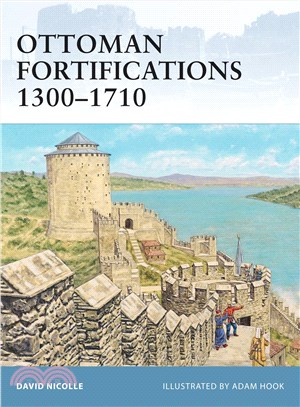
The Ottoman Empire encompassed many different architectural traditions, being the heir to both the Byzantine Empire and the medieval Middle East. From these, the Ottomans created a fusion of military
"New France" consisted of the area colonized and ruled by France in North America from the 16th to the 18th centuries. This title, which follows on from Fortress 27: French Fortresse
To maintain its imperial power in America, Spain built fortifications across the width of the continent. These outposts were established along Spanish borders from the late sixteenth century onwards
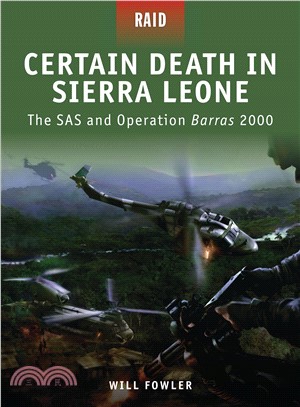
In September 2000, eleven British soldiers were captured by a notorious militia gang in Sierra Leone. Originally deployed to fulfill peace-keeping duties in a country ravaged by civil war, the soldier
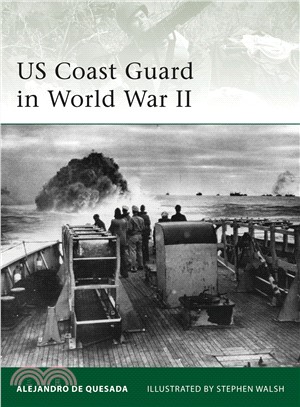
Alex de Quesada reveals the full history of the US Coast Guard throughout World War II (1939-1945) in this Elite title. In particular, the book draws attention to the little-known history of how the U
Although many modelers can master the basic techniques of construction, it is with the painting and finishing of their kits that many begin to struggle. It is this skill that gives the model its disti
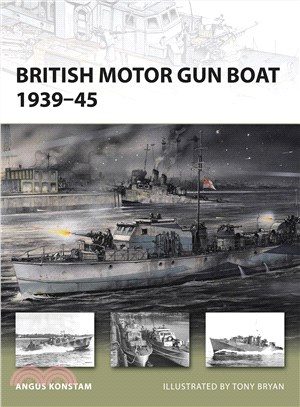
During World War II, few groups within the Royal Navy fought a harder, more intense war than the men of Coastal Forces. Their job was to operate the Motor Torpedo Boats (MTBs), Motor Launches (MLs) an
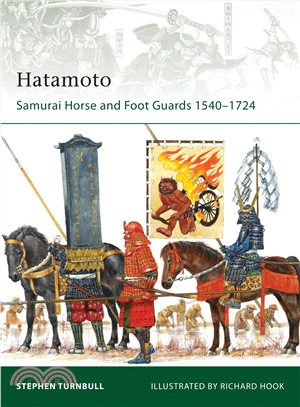
Osprey's elite series title for Japan's samurai horse and foot guards, from 1540 to 1724. Each great samurai warlord, or daimyo, had a 'household division' of troops, known as the Hatamoto - 'those wh
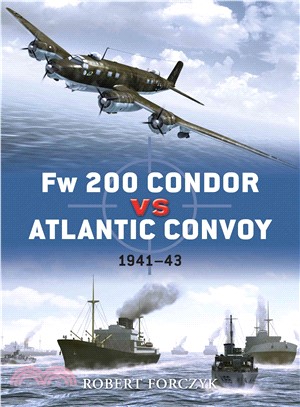
With the fall of France in 1940, Germany suddenly had the opportunity to strike at poorly guarded Allied convoys. The Luftwaffe pressed into service the Fw-200 Condor, a plane that had originally been
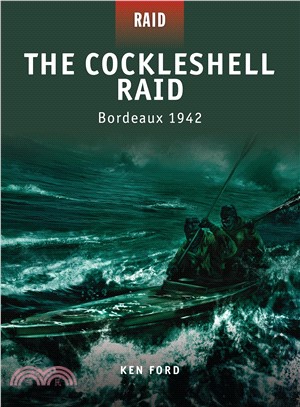
By the end of 1941 Germany was desperately in need of essential raw materials. Vital supplies from Japan were shipped to Germany by 'blockade runners' using the port of Bordeaux as their main base. Al
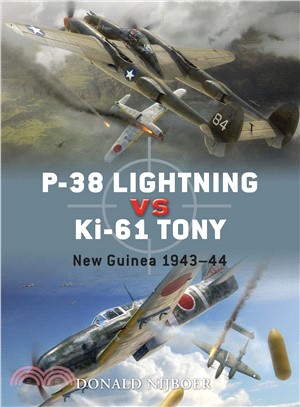
The air war in the South Pacific was unique and very different from other major air operations undertaken during World War II. In no theater was air power more central to success than in the South Pac
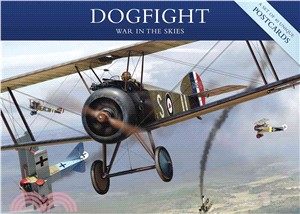
These 40 exquisitely detailed postcards showcase some of the finest artwork to have graced the covers of Osprey's aviation books over the years. Depicting aircraft in action - from bi- and tri-planes
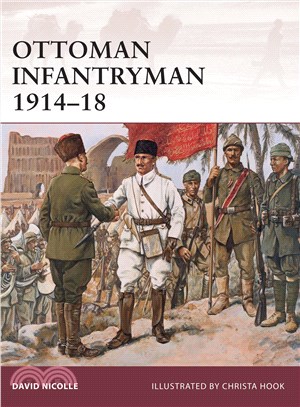
Oasprey's study of Ottoman infantrymen during World War I (1914-1918). The Ottoman Army was the first to employ the 'triangular division', starting from 1910, which contained three infantry regiments
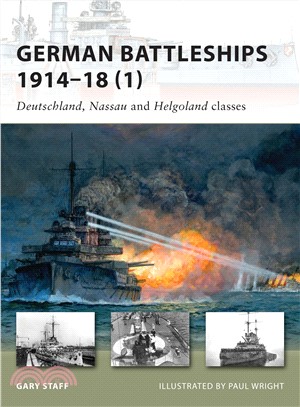
Supported by official documents, personal accounts, official drawings and specially commissioned artwork, this volume is an enlightening history of the Deutschland to Osfriesland classes. Detailing th
A new paperback edition of one of the bestselling World War II Osprey titles, The Pacific War Companion brings together the perspectives and insights of world-renowned military historians. From the Ja
The F-105 was a supersonic fighter-bomber used by the USAF to great extent during the Vietnam War (1955-1975). Despite pilots' initial apprehensions about the aircraft and a variety of problems with e
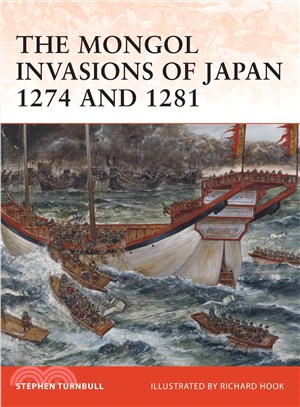
The two attempts by Khubilai Khan, the Mongol Emperor of China, to invade Japan in 1274 and 1281 represent unique events in the history of both countries. It pitted the samurai of Japan against the fi
The Roman navy, although somewhat overshadowed by the Legions, played an important role for the Roman Empire. For the army to conquer and rule its vast territories, control of the sea lanes was essent
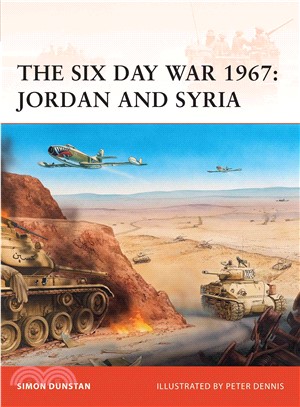
Osprey's examination of Jordan and Syria's involvement in the Six Day War (1967). Following the lightning destruction of the Egyptian forces at the outbreak of the Six Day War, Israel turned to the fo
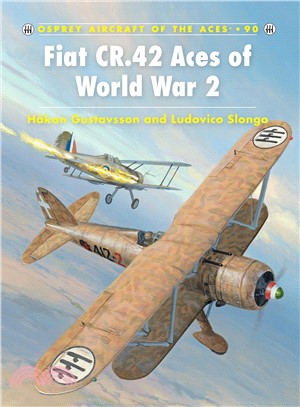
The Fiat CR.42, a logical development of the Fiat CR.32, was the last single-seat fighter biplane to be produced. It entered service with the Italian Regia Aeronautica in May 1939 before being exporte
During the 19th Century Britain entered into three brutal wars with Afghanistan, each one an imperial struggle for power that saw the British forces trying, and failing, to gain control of an inhospit
Sandwiched between the heart of ancient Greece and the lands of Persia, the Greek cities of Western Anatolia were the spark that ignited some of the most iconic conflicts of the ancient world. Fought
Throughout time, violent battles and bloody clashes have changed the course of history and shaped nations or empires. Battles of annihilation are rare, but ever since antiquity a stunning victory on t
Conceived at the height of World War II, the British Centurion and the Soviet T-55 were initially expected to counter the formidable Panther and Tiger tanks of Germany. But as the Cold War unfolded, t
Germany's Atlantic Wall was the most ambitious military fortification program of World War II. Following its conquest of Western Europe, Germany had to defend some 5,000 kilometers of Atlantic coastli
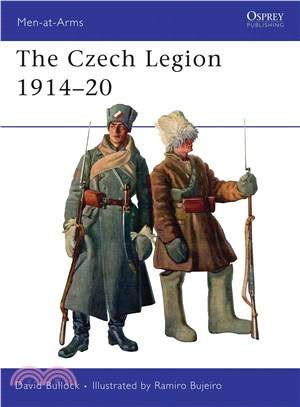
The Czech Legion was not just a single military unit, but a volunteer army that fielded up to 100,000 troops on the Allied side on all three main fronts in World War I (1914-1918). Since only the defe
This volume follows the Luftwaffe's twin-engined Wunderbomber southwards to describe its deployment in North Africa and the Mediterranean Theater during World War II (1939-1945), from the Straits of G
On January 27, 1945, the 6th Ranger Battalion and the 6th Army Special Reconnaissance Unit (the Alamo Scouts) began the most dangerous and important mission of their careers to rescue 500 American, Br
The all-volunteer 'Blue Division' was a formation that allowed Franco's technically neutral Spain to support Nazi Germany's invasion of Russia. Following initial training in Germany, the Blue Division
'In the heat of battle' is a phrase that connotes the extremity of the human condition. The battlefield is a canvas on which is sometimes painted the virtues of bravery, sacrifice, and extraordinary l
Amid the ongoing quest for aerial superiority during World War I, the late spring of 1917 saw two competing attempts to refine proven designs. The Royal Aircraft Factory SE 5a incorporated improvemen